

There’s something magical about having a cat curl up beside you, purring away like a tiny, furry engine. If you’re thinking about adopting, get ready for a heartwarming journey! Bringing a cat into your home isn’t just about giving them a place to stay—it’s about finding a new best friend who’ll be with you for years to come.
Starting your adoption journey is exciting and involves some prep. That’s why we’ve put together this easy, step-by-step guide to help you through the process. From choosing the right cat to setting up your home, we’ll make sure you’re ready for this new adventure!
Want to make sure you’re giving your new cat the best care possible? PetHealthMD has got you covered! From everyday cat care tips to understanding health issues, you’ll find everything you need to keep your feline friend happy and healthy.
Understanding the Cat Adoption Process
Bringing a cat into your life is such an exciting experience! Whether you’re looking for a playful kitten or a laid-back lap cat, there’s a perfect feline friend waiting for you. The process is simple—visit a shelter, chat with the staff about your lifestyle, and they’ll help you find a cat that fits right in.
Adoption fees (usually around $100) cover important things like vet check-ups, vaccinations, and microchipping, so your new buddy is off to a great start.
1. Assess Your Readiness
Before you take the plunge, make sure you’re fully prepared for this new adventure.
Time and Attention
Cats are independent, but they still need attention and a routine. Set aside 20–30 minutes twice a day for play, feeding, and grooming.
Budget
Expect to spend about $50–$75 per month on food, litter, and supplies. Vet visits typically range from $100–$200 per year.
Living Space
Cats adapt well to different spaces. If you rent, confirm that pets are allowed. Even small spaces can be cat-friendly with a few cozy hideouts and scratching posts.
Health Considerations
Spend time with cats before adopting to check for allergies, and find a veterinarian before bringing your cat home for smoother care transitions.
2. Research Cat Breeds and Personalities
Choosing a cat is about more than looks—each has their unique personality.
- Personality over breed: Most shelter cats are mixed breeds with a variety of temperaments.
- Activity level: Match your cat’s energy with your lifestyle. For example, Bengals are energetic, while Persians are calmer.
- Meet and greet: Visit shelters and observe how cats interact with you.
- Health and care needs: Ask about any grooming or special care requirements.
3. Finding Shelters Near You
Local rescues are great places to adopt. Look for clean, well-kept spaces with friendly staff. Ask questions about the cat’s behavior and habits to ensure a good match.
Many shelters also provide post-adoption support, including tips on behavior and healthcare.
4. Completing the Adoption Process
The final steps include:
- Submitting an adoption application
- Providing ID and address verification
- Showing housing documentation or landlord approval
- Signing the adoption agreement
These steps usually take about one to two weeks.
5. Preparing Your Home for a Cat
Set up a safe, welcoming environment before your cat arrives.
- Create a cozy retreat: A quiet space with a bed, hiding spots, and scratching posts.
- Food and water setup: Keep bowls away from litter boxes.
- Cat-proofing: Hide cords, secure windows, and remove toxic plants.
- Scratching posts and litter boxes: Provide enough resources to help your cat feel secure.
You can find many of these essentials in the Cat Supplies section on 1800PetMeds.
6. Bringing Your Cat Home
The first few days can feel overwhelming for your cat. Here’s how to help:
- Let them explore at their own pace.
- Stick to a routine to build trust and predictability.
- Introduce other pets slowly using scent and gradual visual introductions.
- Watch for signs of stress or illness like hiding or loss of appetite.
Give them space and affection on their terms. With time, your cat will begin to feel right at home.
7. Scheduling a Vet Checkup
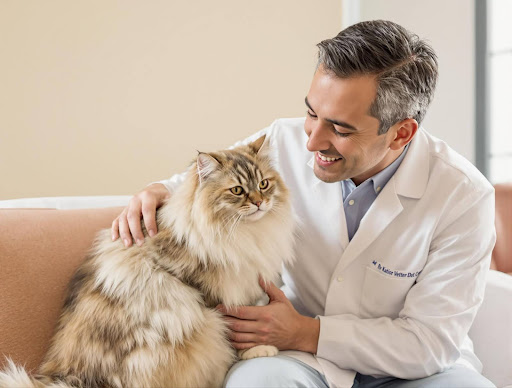
Your first vet visit is an important part of adoption. A wellness exam ensures your cat’s vaccines, flea prevention, and health status are up to date. Keep your vet’s contact handy for emergencies.
Explore Cat Medications and Preventatives to keep your pet healthy year-round.
Your Cat Adoption Questions Answered
How much does it cost to own a cat monthly?
Expect $50–$100 per month for food, litter, and toys, plus vet care and an emergency fund.
How do I choose the right cat for my home?
Match your lifestyle and activity level with the cat’s personality.
What’s the safest way to introduce cats to other pets?
Start with scent exchanges and controlled visual contact before direct introductions.
When will my new cat feel at home?
Cats typically adjust within 2–3 weeks but may take up to 3 months to fully settle.
What cat health changes need immediate attention?
Seek veterinary care if you notice appetite loss, lethargy, or breathing issues.
Commitment to Long-Term Care
As your cat grows, their needs change. Regular vet visits, grooming, and small home adjustments—like cozy spots or ramps for older cats—help them thrive at every stage.
PetHealthMD offers trusted advice on cat nutrition, wellness, and preventive care. For all your cat care essentials, visit the Cat Supplies section at 1800PetMeds to create a happy, healthy home for your new feline friend.