Key Takeaways:
- Understanding your cat’s unique personality and needs can help gauge how well they cope with alone time.
- Creating a comfortable and enriching environment at home aids in reducing separation anxiety and keeps cats engaged.
- Gradual adjustment and personalized care strategies foster confidence and well-being for cats during solo times.
How Long Can Cats Be Left Alone?
Many cat parents feel that familiar pang of guilt when leaving their furry friend home alone. You’re not alone in this dilemma—but it’s all about finding that sweet spot between respecting your cat’s independence and fulfilling its social needs.
While adult cats can typically handle being solo for up to 24 hours, leaving them alone for too long might lead to unwanted behaviors. You might notice excessive meowing, litter box problems, or other signs that your kitty feels neglected.
Every cat is unique, and your cat’s reaction to alone time depends on their personality and age. Some cats stay perfectly content with their own company, while others may develop separation anxiety—a condition where pets become distressed when separated from their owners. Senior cats often need more attention as they age, too.
To determine how long your cat can comfortably stay home alone, you’ll need to watch for behavioral changes that suggest loneliness or stress. Learn more about feline behavior and emotional well-being through the Cat Health resources on PetMeds.
Recognizing Your Cat’s Behavior and Needs
Some felines rush to the door when you return, while others barely acknowledge your absence. A content cat who’s comfortable being home alone typically:
- Maintains regular eating and drinking habits
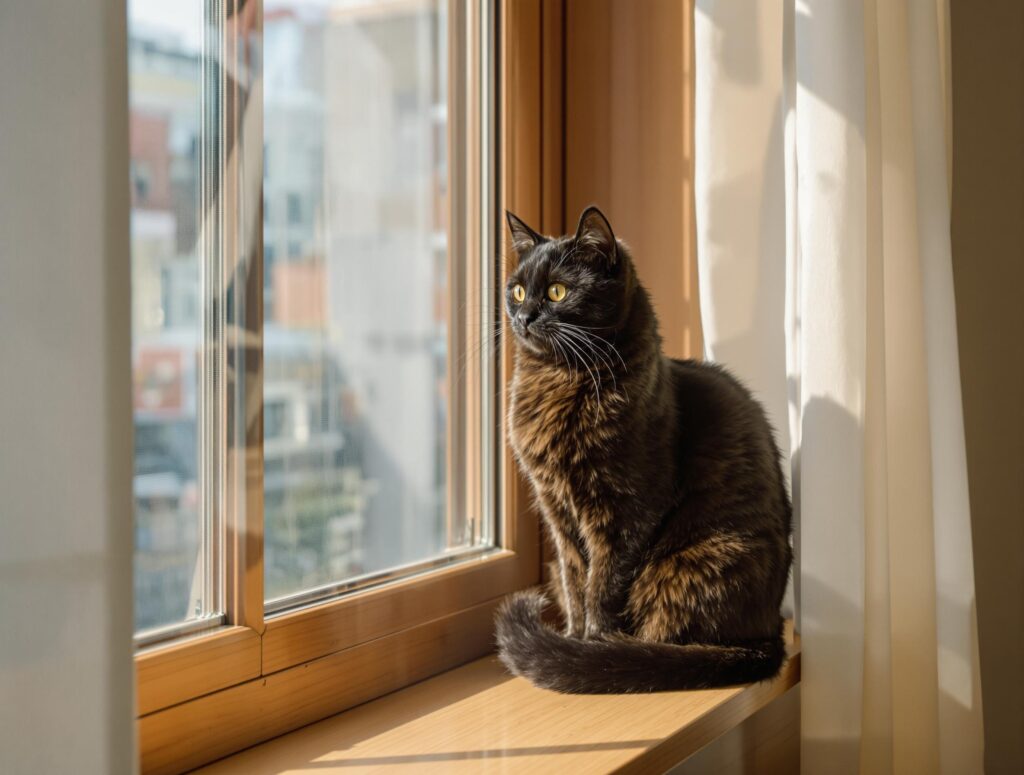
- Sleeps in favorite spots around the house
- Uses the litter box normally
- Plays with toys independently
- Greets you calmly upon return
Watch for these signs that your cat might need more support:
- Excessive meowing or clinginess before you leave
- Changes in appetite or litter box habits
- Destructive behavior
- Unusual aggression or hiding
- Over-excited greetings when you return
Building your cat’s confidence in solo time takes patience. Begin with short absences, then gradually extend them. Healthy adult cats generally handle overnight stays comfortably, but kittens and seniors need more frequent care.
Preparing Your Home Before Leaving
Setting up your home properly can make all the difference in how your cat handles alone time. With thoughtful preparation, your feline friend can feel secure and content rather than anxious when you’re away.
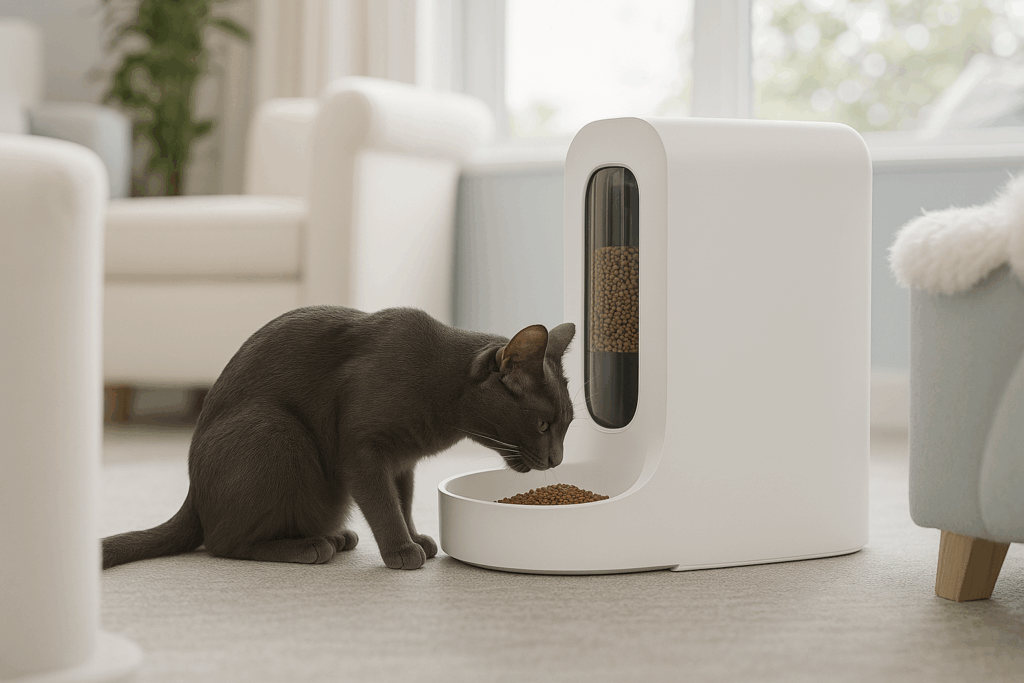
- Food and water: Set up multiple feeding spots and use automatic feeders for trips over 24 hours. Keep water bowls separate from food areas.
- Litter boxes: Follow the “one per cat, plus one extra” rule. Keep them clean and in quiet locations away from food.
- Comfortable bedding: Use soft bedding that carries your scent to help your cat feel secure.
- Stimulation: Provide scratch posts, window perches, and puzzle toys to encourage independent play.
- Toys: Leave a mix of interactive and stationary toys throughout your home to prevent boredom.
For more tips on maintaining your cat’s comfort and hygiene, explore Cat Supplies on PetMeds.
Managing Cat Separation Anxiety
Cats form deep emotional bonds with their humans. About two-thirds of cats develop strong attachments similar to those seen in dogs and children. If your cat shows signs of distress when you’re preparing to leave—like excessive grooming, vocalization, or scratching—you may be seeing separation anxiety.
Try these techniques to reduce anxiety:
- Create a quiet sanctuary with cozy beds and familiar scents.
- Leave on gentle music or background noise your cat associates with your presence.
- Use calming pheromone products to create a soothing atmosphere.
- Start with short absences and gradually increase your time away.
If your cat continues to show signs of stress or aggression, consult your veterinarian. They can check for underlying health issues or recommend calming aids from Behavioral Health products.
Expert Tips for Leaving Your Cat Home Alone
About 8 out of 10 cats show signs of restlessness when their routine changes. These tips help keep your cat calm and comfortable:
- Use an interactive pet camera to check in and dispense treats remotely.
- Create cozy spaces with your cat’s favorite blanket or clothing carrying your scent.
- Keep feeding times consistent with water fountains and timed feeders.
- Rotate toys weekly to maintain your cat’s curiosity.
- Hire a reliable pet sitter for extended trips and ask for updates.
- Enlist a neighbor as a backup caregiver for quick check-ins.
These small efforts can make a big difference in your cat’s emotional balance and daily comfort.

Reconnecting With Your Cat After Time Apart
Returning home to your cat can be a mixed experience—some cats shower you with affection, while others may act aloof. Allow them to approach you on their terms and pay attention to behavioral cues such as changes in appetite, sleep, or vocalization.
Spend quiet moments together and maintain their familiar spaces to reassure them. If your cat exhibits unusual signs like excessive meowing, hiding, or loss of appetite, consult your vet for guidance.
Tailoring Care to Your Cat’s Personality
Finding the right balance when leaving your cat home alone means understanding your cat’s unique needs. Consistency, familiar scents, and enriching environments can make solo time easier for both of you. Occasional visits from trusted caregivers further support emotional stability.
With thoughtful preparation and observation, you’ll nurture a confident, secure cat who enjoys both companionship and independence. For more resources on feline care, visit the Cat Health Center at PetMeds.