Key takeaways
- Puppies should ideally wait until they are 16 to 17 weeks old, with completed vaccinations, before visiting a dog park.
- Early socialization through controlled playdates and puppy classes helps reduce behavioral issues.
- Preparation, such as mastering recall commands and bringing a first aid kit, enhances safety during initial dog park visits.
You might wonder when your puppy can finally join the joyful pack at the local dog park. While those puppy dog eyes might tempt you to start early, veterinarians typically recommend waiting until your puppy has completed their core vaccination series before exposing them to high traffic dog areas. The series usually completes around 16 weeks of age.
How to Start Puppy Socialization
Puppy socialization is the process of exposing young dogs to different people, animals, environments, and experiences during their critical developmental period. It helps build the foundation for a confident, well adjusted dog who can enjoy a park safely.
Here are helpful socialization tips:
- Start with controlled meetings by inviting vaccinated, gentle adult dogs to your home.
- Watch for positive signs like loose tail wags or soft eyes.
- Pay attention to how quickly your puppy recovers from surprising events.
- Use treats and praise to create positive associations.
- Visit different locations such as parks or pet friendly stores.
- Maintain a predictable schedule for meals, potty breaks, and sleep.
For wellness supplies that support early socialization, explore the Health & Wellness category at 1800PetMeds.
Following a Puppy Vaccination Schedule
A typical puppy vaccination schedule begins at 8 to 9 weeks, with boosters every 3 to 4 weeks until 16 weeks of age. Your veterinarian can tailor a plan based on disease risks in your area.
Core vaccines protect against distemper, parvovirus, and rabies. Another vaccination to consider is Bordetella, since many dog parks and training facilities require it.
Two weeks after the final vaccination round, your puppy can safely start visiting dog parks. Keep vaccine records handy for parks that require proof of immunizations.
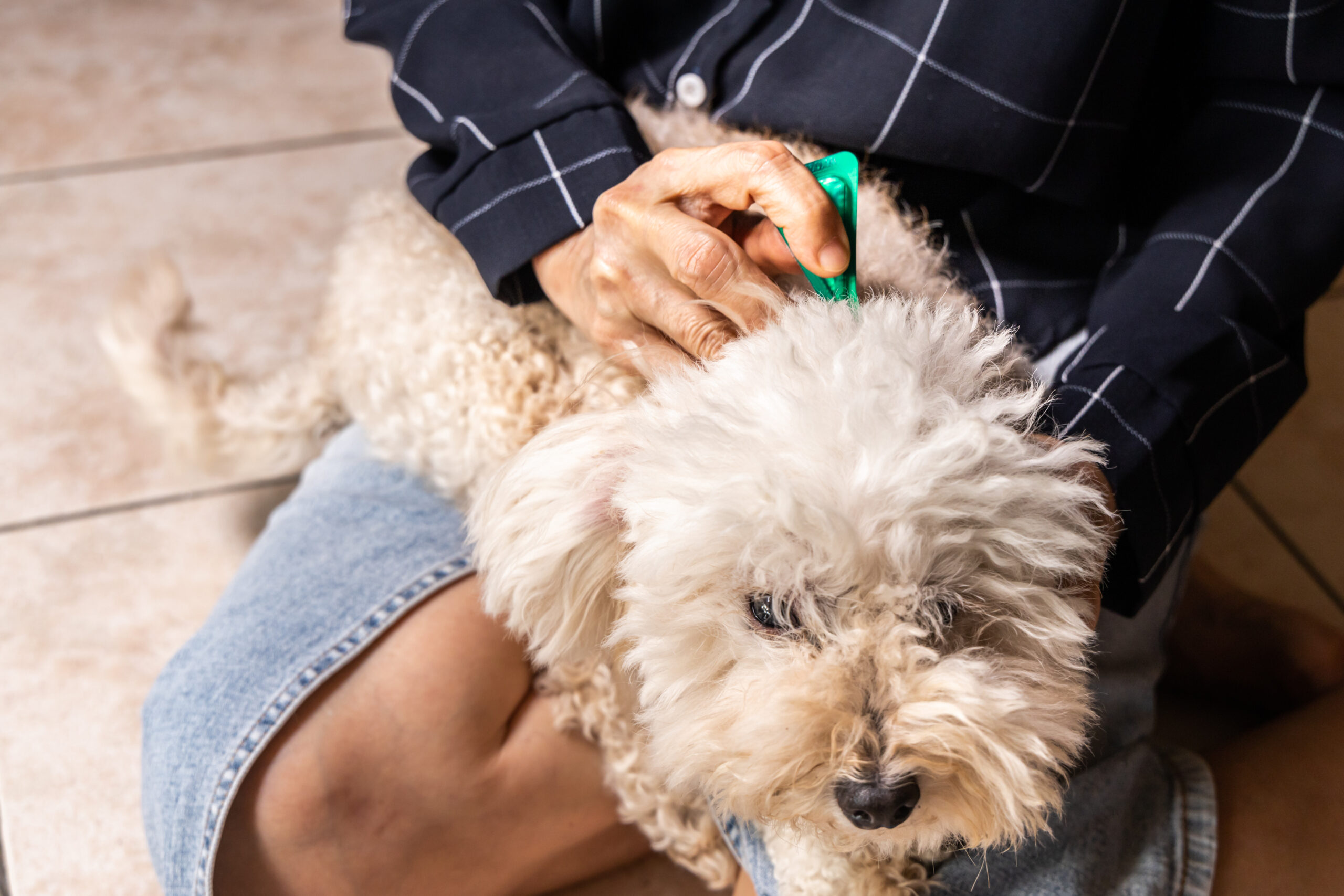
For preventive care products that help keep puppies protected, visit the Flea & Tick section at 1800PetMeds.
Safety Tips for Puppies at Dog Parks
These safety tips help create positive, protected dog park experiences:
- Learn to read your puppy’s body language.
- Practice the “come” command regularly.
- Choose calmer hours for first visits.
- Bring a first aid kit with items like antiseptic spray and gauze pads.
- Keep your puppy close during early visits.
- Encourage short, positive play sessions.
To prepare for park outings, explore training and behavior support items in the Training & Behavior category at 1800PetMeds.
Preparing Your Puppy for Dog Park Visits
Set your puppy up for success by building confidence at home:
- Create a backyard training space with toys and obstacles.
- Build social skills with friendly, vaccinated dogs.
- Practice leash etiquette on neighborhood walks.
- Pack a park success kit including water, waste bags, and treats.
- Schedule first visits during quieter hours.
Answering Common Questions About Dog Park Visits
At what age can my puppy start visiting the dog park?
Puppies should be 16 to 17 weeks old with completed vaccinations. They should also respond reliably to their name and basic commands.
What should I bring to the dog park?
Bring fresh water, a collapsible bowl, treats, cleanup bags, and a long line leash.
How do I protect my puppy from aggressive dogs?
Stay close, watch for signs of stress or aggression, and calmly relocate if needed.
What should I do if my puppy seems overwhelmed?
Look for stress signals like tucked tails or excessive panting. Offer quiet breaks.
How can I ensure appropriate play?
Visit during calm hours and reward gentle, positive play behaviors.
What if my puppy has a negative experience?
Rebuild confidence through controlled playdates in calm environments.
Making the Most of Your Puppy’s Park Adventures
Your puppy’s first dog park visits open a world of social growth and physical activity. Staying engaged during outings helps your puppy develop healthy behaviors and confidence.
For more information on keeping your pup healthy and active, visit PetHealthMD. We are here to help you support your puppy’s wellness journey.