Key Takeaways
- Patience and a calming environment can significantly encourage a sick dog to eat, aiding in their recovery.
- Natural appetite stimulants and vet-approved foods tailored to your dog’s condition can make meals more appealing.
- Regular hydration is crucial for your dog’s recovery; employ creative methods to ensure consistent water intake.
Nothing pulls at your heart like watching your dog ignore their food bowl when they’re feeling off. That empty dish signals they’re not getting the fuel they need to shake whatever’s bothering them. For any health worries, don’t wait—call your vet. These easy steps can help get them eating again, blending know-how with a lot of love.
Some dogs take a while to get their appetite back. With a handful of straightforward ideas, you’ll see them perk up—PetHealthMD has plenty of helpful info to guide you. Many pet parents have stood in your shoes, gently nudging their dogs back to enjoying meals one bite at a time.
1. Encourage Your Sick Dog to Eat with Patience and Gentleness
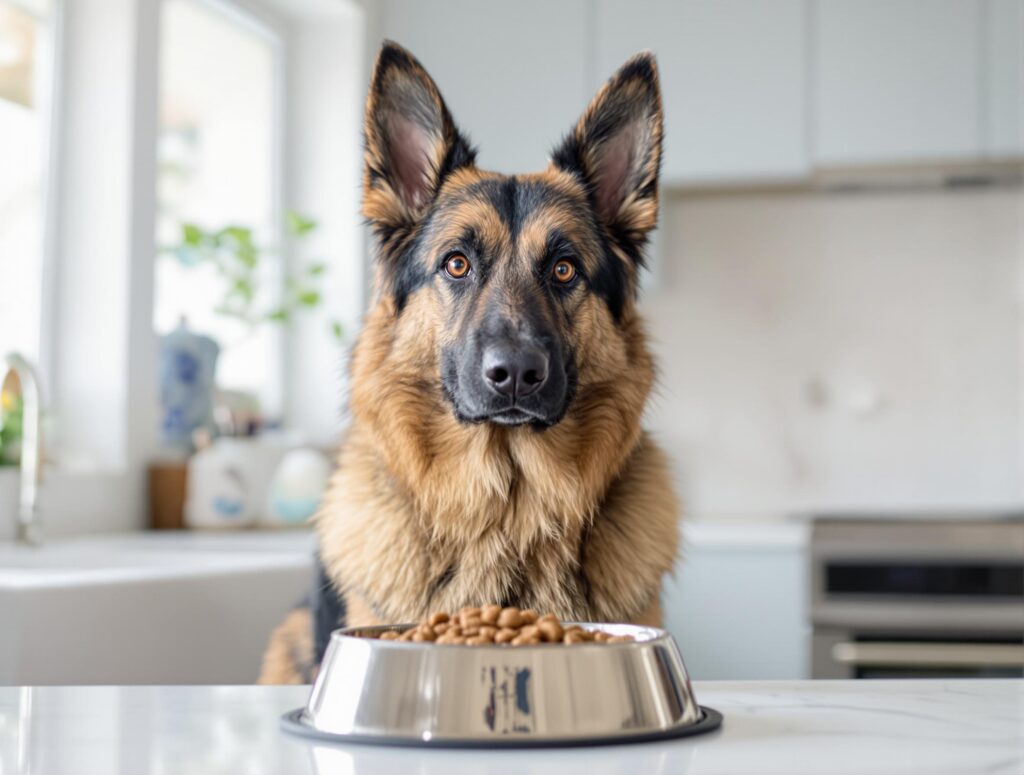
Choose a peaceful corner in your home where your dog can relax and eat without noise or interruptions. A calm hideaway helps them focus on food smells without distractions. Add their favorite blanket or bed to create comfort.
Being present during mealtime can also help. Offer gentle affection or speak softly to reassure them. Hand-feeding works for some dogs, helping build confidence and comfort.
Watch for moments when they have a little energy—early mornings or quiet evenings may be best. Offer small, fresh portions and remove leftovers after 20 minutes.
2. Use Natural Methods to Stimulate Your Dog’s Appetite
If your dog hasn’t eaten in over 48 hours, call your vet. When you’re managing milder appetite loss, try simple, natural methods.
Food-based solutions:
- Heat food to around 100–101°F to enhance aroma.
- Mix in low-sodium chicken or beef broth.
- Add plain boiled chicken breast or lean turkey.
- Use small amounts of vet-approved herbs like ginger or mint.
Feeding technique tips:
- Offer small bites every 3–4 hours.
- Hand-feed while speaking calmly.
- Keep bowls in quiet areas.
- Use shallow bowls for whisker comfort.
To explore appetite-supporting products, visit the Dog Health category on PetMeds.
3. Offer Carefully Selected Vet-Approved Food Options
When your dog isn’t feeling well, the right food can help restore normal eating patterns. Serve small meals—around a quarter of their usual portion—every 4–6 hours.
A bland diet works well for many dogs. Mix one part plain boiled chicken with two parts white rice to create a stomach-friendly meal. Your vet may also recommend recovery diets designed for sensitive stomachs.
As their appetite returns, transition back to their regular food gradually over 5–7 days. Add low-fat cottage cheese, lean meats, or mashed potatoes if needed.
Looking for more supportive food options? Browse the Dog Food and Nutrition section on PetMeds.
4. Blend Comfort and Nutrition with Appetizing Meals
Just like people, dogs often crave comforting, familiar foods when they’re unwell. Try warming their usual food with low-sodium broth to enhance flavor and aroma.
Place their meal in a familiar spot and break their portion into 4–5 small servings throughout the day. Create a balanced mix using lean protein, soft rice, cooked veggies, and gentle ingredients like sweet potatoes.
5. Ensure Consistent Hydration for Overall Well-Being
Water plays a huge role in recovery. Offer small amounts every 2–3 hours and keep bowls fresh. Some dogs prefer fountains or lightly flavored water.
Make hydration fun with frozen treats like diluted yogurt or pumpkin puree in a Kong. Ice cubes are a playful option for many dogs.
Watch for dehydration signs:
- Skin that doesn’t bounce back when lightly pinched
- Dry or sticky gums
- Sunken eyes
- Low energy
If your dog hasn’t had water in 24 hours, contact your vet.
Comprehensive FAQ on Feeding Unwell Dogs
What gentle signs tell me my dog needs additional help?
- No eating for 24 hours
- Fatigue or disinterest in play
- Odd water habits
- Pacing, whining, or other unusual behavior
If you notice these, speak with your vet.
What are safe and appealing food options for my sick dog?
- Plain boiled chicken with rice
- Low-fat cottage cheese
- Warm bone broth toppers
- Small, spaced-out meals
How can I create a comforting mealtime environment?
- Choose a quiet room
- Use elevated bowls for comfort
- Add a non-slip mat under dishes
- Stay nearby and calm
When do I know my dog needs advanced medical support?
- Rapid weight loss
- Pale or dry gums
- Skin that stays lifted when pinched
- No appetite plus low energy
Call your vet immediately if these appear.
How do I safely transition back to regular food?
- Mix 25% regular food with 75% recovery diet for two days
- Increase regular food gradually every two days
- Watch for normal stools and energy
Compassionate Care to Boost Recovery
Gentle, consistent care goes a long way in helping your dog recover. Small daily wins—from a nibble to a tail wag—show you’re on the right path.
For more support, explore the full Dog Health category on PetMeds. Pairing your dedication with your vet’s guidance helps your dog get back to feeling like their happy, hungry self again.