Key takeaways:
- Early detection of tick bites and related symptoms in dogs leads to better treatment outcomes, preventing serious conditions like Lyme disease and tick paralysis.
- Regularly check your dog for ticks and access priority areas such as ears, neck, and between toes to effectively identify tick bite sites and prevent anemia caused by blood loss.
- Proactive tick prevention strategies, including monthly treatments and maintaining a tick-resistant yard, can significantly reduce your dog’s risk of tick-borne diseases.
Shop Dog Flea and Tick Prevention
Recognizing Tick Bite Symptoms in Dogs
Is your dog scratching more than usual or seeming unusually tired after a walk? If so, they might have a tick bite. These tiny parasites can cause serious illnesses like Lyme disease, which may lead to joint pain, limping, and even kidney issues if left untreated. But spotting symptoms early can help keep your pup safe.
If you suspect your dog has been bitten by a tick, consult your veterinarian as soon as possible. Some parasites have developed resistance to traditional treatments, so early detection is more important than ever. PetHealthMD provides reliable information and expert guidance to help you protect your dog from tick-related risks.
Common Symptoms of Tick Bites
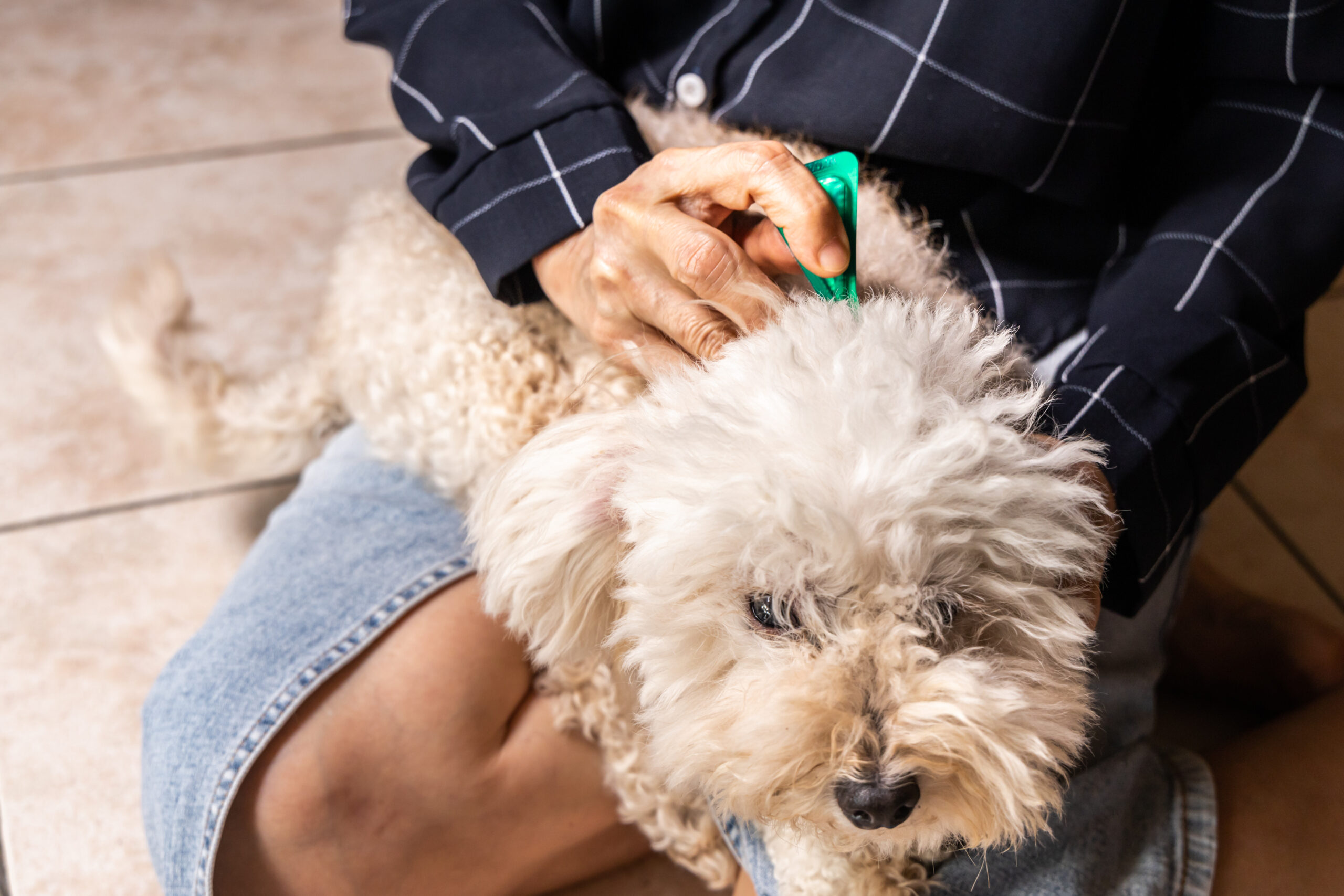
Your after-walk cuddle session is the perfect time to check for tick bites. Running your hands through your dog’s fur can help you feel for small bumps that could be a tick or a reaction to a bite. Pay close attention to their ears, neck, and between their toes—these are tick hotspots.
If your normally energetic pup suddenly seems tired, uninterested in food, or limping, it could be a sign of a tick-related issue. Some dogs whine or favor one leg if they’re uncomfortable. These small changes can be the first clue that something’s wrong.
Brushing and checking your dog’s coat regularly helps catch ticks early, especially in areas where they like to hide. Check behind the ears, under the collar, and in the groin area. If you notice fever, swollen joints, or anything unusual, schedule a vet visit right away.
How to Identify Tick Bite Sites
Ticks can transmit diseases within 24-48 hours of attaching, so finding them early is key.
- Look closely: Scan your dog’s skin for tiny dark spots.
- Feel for bumps: Raised areas may indicate a tick.
- Focus on high-risk zones: Head, neck, and chest.
- Use a comb: Helps find ticks in thick fur.
1. Recognize Anemia Signs After Tick Bites
If your dog is low on energy, blood loss from ticks could be the reason. Feeding ticks can cause serious health issues, including canine babesiosis.
Check your dog’s gums—they should be salmon-pink. Pale gums may signal anemia. Look for reduced stamina, panting, or weight loss. Early diagnosis through routine check-ups and blood tests can ensure proper treatment.
2. Identify Fever Symptoms From Tick Bites
A healthy dog’s temperature ranges from 101.0 to 102.5°F. Any rise above this may indicate fever.
Watch for:
- Warm ears and nose
- Seeking cool resting spots
- Loss of appetite
- Shivering
- Red eyes
- Heavy breathing
If you notice these signs, contact your veterinarian immediately to rule out tick-related illnesses.
3. Recognize Lyme Disease Indicators
Lyme disease signs usually appear 2-5 months after a tick bite.
Look for:
- Intermittent limping
- Fatigue
- Tender joints
- Increased thirst or urination
- Enlarged lymph nodes
Discuss prevention and vaccination options with your veterinarian.
4. Understand Tick Paralysis
Some ticks release toxins that can cause paralysis.
Symptoms include:
- Unsteady gait
- Weakness starting in the back legs
- Breathing difficulties in severe cases
Seek immediate care if your dog shows sudden weakness.
5. Notice Behavioral Changes
Tick bites can cause surprising shifts in your dog’s behavior:
- Less interest in food or play
- Irritability
- Avoiding touch or hiding
A pet diary can help track changes.
Steps to Prevent Skin Infections After Tick Removal
- Clean the bite site with antiseptic.
- Monitor swelling or redness.
- Apply antibiotic ointment.
- Use an e-collar if needed.
Tick Prevention Strategies
Keeping your dog safe from ticks requires ongoing prevention:
- Use vet-approved preventatives
- Check your dog after outdoor activities
- Maintain a tick-free yard
- Schedule regular vet visits
Browse Dog Health and Wellness Products
FAQs: Tick Bite Questions Answered
How can I safely remove a tick from my dog?
Use fine-tipped tweezers to grasp the tick close to the skin and pull straight out. Clean the area afterward and dispose of the tick safely.
How long does it take for symptoms to appear?
Symptoms may appear within days or weeks depending on the disease type and your dog’s immune response.
How do I distinguish between tick bites and other skin issues?
Tick bites often appear as small red bumps with a scab in the center and may stay localized longer than other irritations.
When should I consult a veterinarian?
If your dog shows signs of fever, lethargy, lameness, or swollen joints, seek veterinary care immediately.
Shop Flea and Tick Medications
Ensuring Your Dog’s Health With Proactive Tick Care
Tick-transmitted diseases can severely affect your dog’s health, so regular checks and early action are essential. If you think your dog may have been bitten, speak with your veterinarian right away. Awareness and preventative care are your best defenses.
Visit PetHealthMD for expert advice, resources, and reliable information on tick prevention and treatment.