Key takeaways:
- Cats love sofas for warmth, security, and bonding, but offering cozy alternatives can help redirect them.
- Simple training methods like rewards, redirection, and making the couch less appealing can keep cats off furniture.
- Stylish cat furniture, from window perches to cat trees, gives your cat their own perfect lounging space.
Why Cats Love Sofas
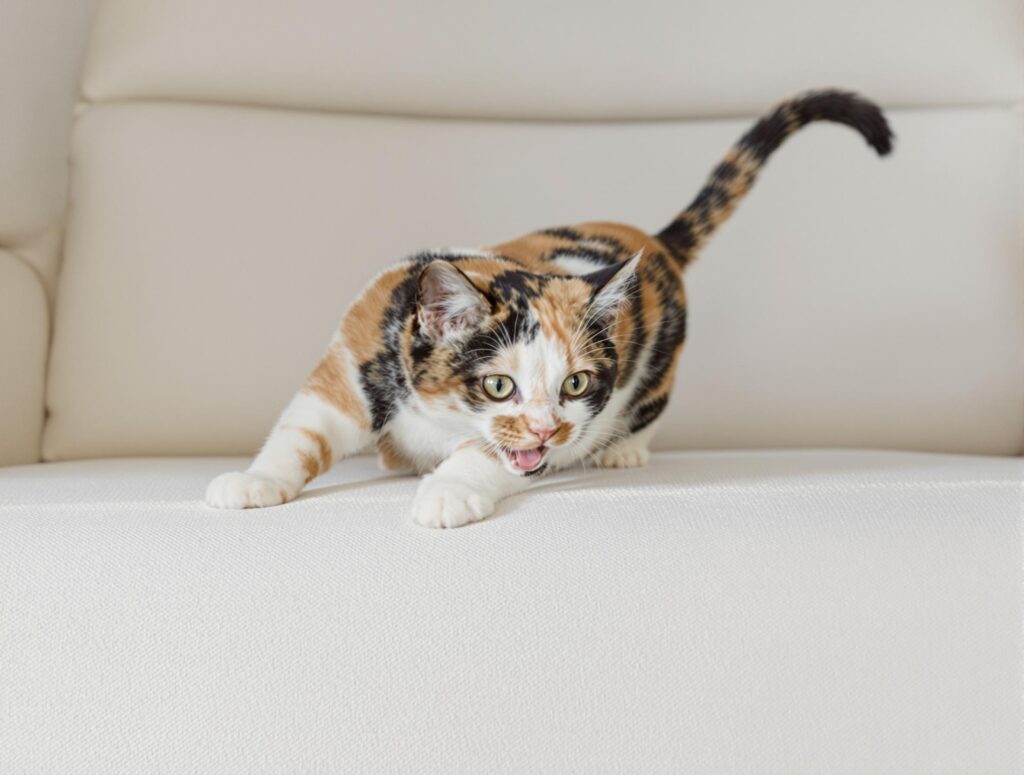
Cats are naturally drawn to comfort, warmth, and security, making sofas one of their favorite spots. These soft resting places provide more than just relaxation—they meet several of your cat’s instinctual needs:
- Warmth and comfort: Sofas help cats regulate body temperature and offer support for joints, especially for senior cats.
- Height and safety: Elevated seating provides a sense of security and a better view of their surroundings.
- Scratching and stretching: The texture of most upholstery mimics tree bark, appealing to your cat’s scratching instincts.
- Scent marking: Cats rub, knead, and nap on furniture to mix their scent with familiar surroundings, claiming it as part of their territory.
- Bonding opportunities: Cats often seek out sofas because that’s where their humans relax, helping them feel close and connected.
Understanding why your cat is drawn to the sofa makes it easier to redirect their behavior.
How to Keep Cats Off the Sofa
Training your cat to stay off furniture takes patience and consistency, but the payoff—a happy cat and protected furniture—is worth it. Here are proven strategies that work:
1. Offer Cozy Alternatives
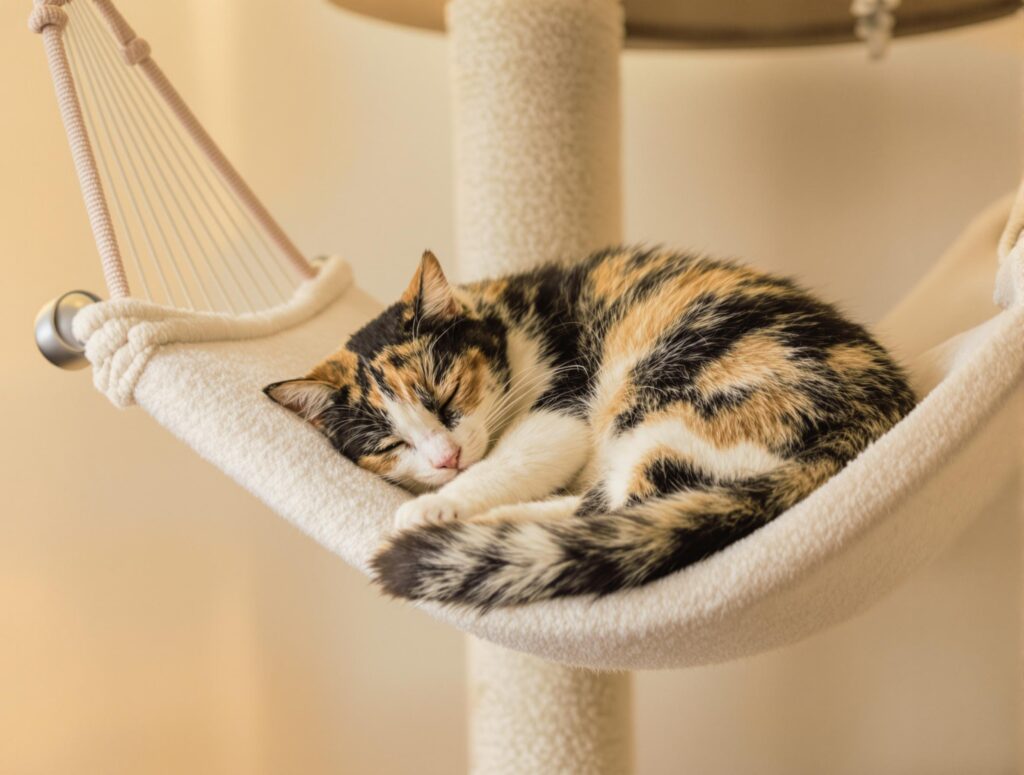
Provide appealing spaces that rival your sofa’s comfort. A soft cat bed, window perch, or quiet corner with a blanket can draw your cat away from your furniture. Adding your scent, such as a worn T-shirt, can make these spots even more inviting.
2. Use Redirection and Rewards
When your cat jumps on the sofa, gently move them to their designated area while using a consistent cue, like “your spot.” Reinforce good behavior immediately with cat treats or gentle praise.
3. Make the Sofa Less Appealing
Use deterrents cats dislike—like aluminum foil, crinkly mats, or double-sided tape—on areas they frequent. Over time, they’ll lose interest in climbing or scratching the couch.
4. Be Consistent
Ensure everyone in your household follows the same rules and training cues. Mixed messages will confuse your cat and slow progress.
With consistency and patience, your cat will learn to prefer their own cozy spaces over the sofa.
Choosing the Best Cat Furniture
The right furniture makes all the difference in keeping your cat satisfied and your home intact. Multi-level cat trees and scratching posts mimic the climbing and scratching opportunities cats love. Look for designs with sisal-wrapped posts and soft cushions that blend into your décor.
If space is limited, try wall-mounted shelves or window perches that let your cat lounge in style. These alternatives satisfy your cat’s need for vertical space while keeping your furniture fur-free.
Create a Comfortable, Cat-Friendly Home
Keeping your sofa fur-free doesn’t mean sacrificing your cat’s happiness. By offering cozy alternatives and using gentle, reward-based training, you can protect your furniture and give your feline a space they’ll adore.
At PetHealthMD, we’re here to help you create a balanced home that meets both your needs and your cat’s. For more ways to enhance your cat’s comfort and support their well-being, explore our full Cat Supplies collection on 1800PetMeds.com.