
Key Takeaways:
- Fleas can bite humans, but don’t breed on humans.
- Understanding the flea lifecycle helps effectively control and prevent infestations in your home.
- Simple home and pet care steps are crucial in preventing flea infestations.
Can Fleas Live on Humans?
One of the many hidden worries you might have when your cat has fleas is whether those fleas can live on you, too. The answer, however, is not so straightforward. Fleas can jump up to 13 inches high, which explains why you may get bitten.
But fleas don’t actually live on humans. They prefer furry animals like cats to reproduce, leading to major infestations on pets. Although fleas cannot directly infest humans, in rare cases, they might cause infections through bites or if ingested by humans.
At PetHealthMD, we understand the need to protect your household and pets. That’s why we guide pet parents through proven methods for caring for their cats and maintaining flea-free homes.
Humans and Fleas: How Do They Affect Us?
Fleas do not live or breed on humans, but they can occasionally bite us, causing itchiness, redness, and—in rare cases—infections like:
- Cat Scratch Disease (CSD): Caused by Bartonella bacteria, transmitted from cats to humans through scratches or bites.
- Murine Typhus: Spread by fleas infected with Rickettsia bacteria, leading to flu-like symptoms.
- Flea-borne Tularemia: Caused by Francisella tularensis bacteria, leading to fever and swollen lymph nodes.
- Tapeworm Infection: Occurs if a person accidentally swallows a flea carrying tapeworm larvae.
These infections are treatable, but seek medical attention if symptoms develop.

Recognizing and Treating Flea Bites in Humans
Flea bites can cause mild discomfort, and knowing what to look for helps with quick relief.
Common symptoms:
- Small red bumps that appear in clusters or lines
- Itching or irritation, often around ankles or legs
- Reddish areas with a dark center
Treatment tips:
- Wash affected areas with mild soap and cool water
- Apply anti-itch creams or calamine lotion
- Use cool compresses to reduce swelling
If swelling, warmth, or worsening irritation occurs, contact a healthcare provider.
The Flea Life Cycle: Key to Control
Fleas have a well-defined life cycle that allows them to thrive indoors. Eggs laid in a cat’s fur fall onto carpets and bedding. Within days, larvae hatch, feed on organic debris, and form cocoons. Once they mature, adult fleas seek out a host—typically your pet.
Because most of the flea population lives in your home environment rather than on your cat, prevention must target both your pet and your surroundings.
Preventing Fleas from Spreading from Cats to Humans
Effective flea prevention requires a multi-step approach:
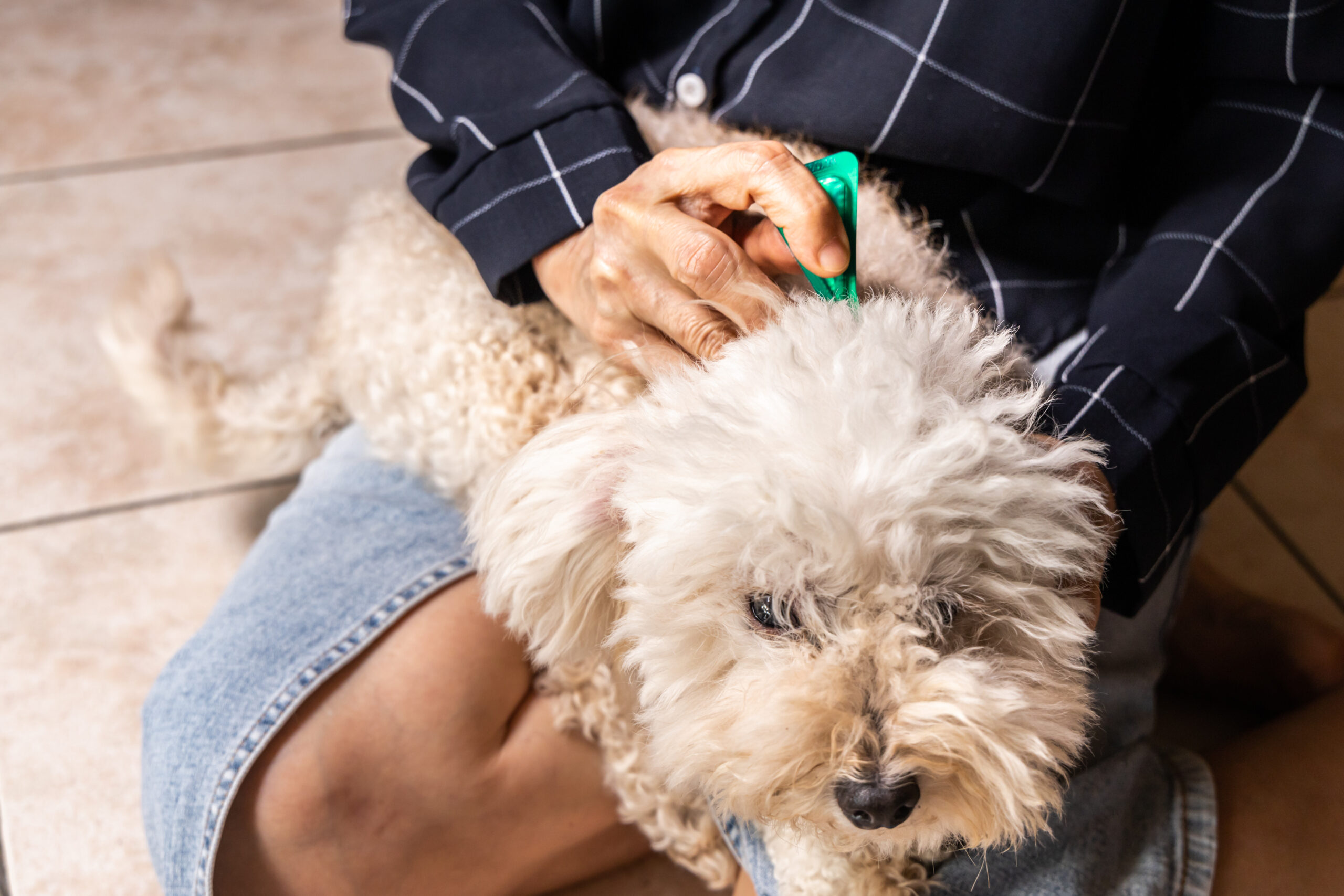
- Use veterinarian-approved preventatives like NexGard COMBO or Capstar for ongoing protection.
- Vacuum carpets, furniture, and crevices daily; wash pet bedding weekly in hot water.
- Use flea sprays or foggers on indoor areas, especially under furniture.
- Groom cats regularly with a flea comb.
- Treat outdoor areas with pet-safe products and minimize wildlife exposure.
Consult your veterinarian for a flea control plan suited to your cat’s needs.

Common Flea Questions
1. Can fleas survive in my home without a pet?
Yes, flea eggs and larvae can remain dormant in carpets or furniture for weeks until a host appears.
2. Can fleas travel on clothes or shoes?
They can hitch a ride on clothing or shoes from infested areas, spreading to new environments.
3. Do fleas prefer certain people?
Yes, fleas are drawn to body heat and carbon dioxide—some people may attract more bites.
4. Can fleas infest my bed?
They might end up in sheets if your cat sleeps there, but they won’t stay long-term.
5. Can fleas drown in water?
They resist water but can drown in soapy water, which is why flea baths work.
6. Can fleas become resistant to treatments?
Yes, prolonged use of one product can lead to resistance. Rotate preventatives under vet guidance.
7. What temperature kills fleas?
Hot water above 95°F or freezing conditions below 32°F can kill fleas and their eggs.
A Healthy Home for Pets and People
Preventing flea infestations starts with consistent care. Regular treatments, home cleaning, and outdoor maintenance keep your household safe and comfortable.
Keep your pets healthy with vet-approved flea treatments available from 1800PetMeds, where you’ll find trusted brands to help you and your pets live a happy, flea-free life.