Key takeaways:
A well-maintained vaccination schedule is crucial for protecting your dog from serious illnesses like distemper and parvovirus.
Vaccination schedules should be tailored for every stage of life, considering specific needs from puppyhood through senior years.
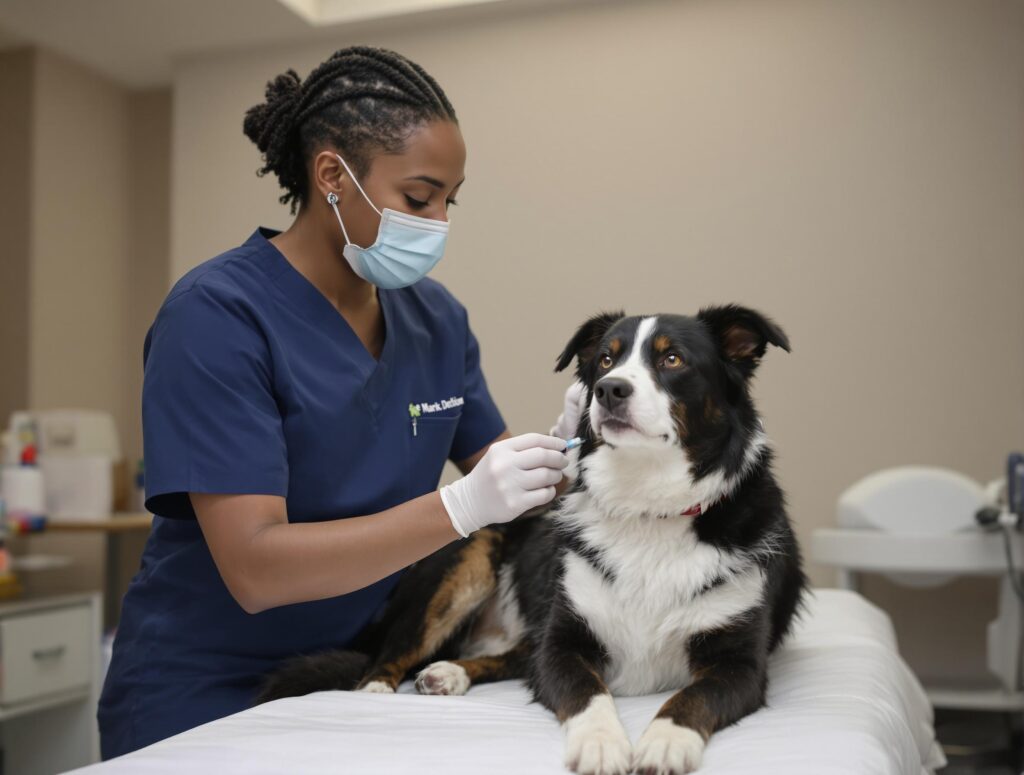
Vaccination timelines should be vet-approved and administered by professionals.
Just like babies, our furry friends need their vaccine shots too. Studies show that proper vaccination prevents severe illnesses in puppies and adult dogs alike, with scheduled immunizations serving as powerful tools for keeping them healthy and happy.
Germs and infections can be extremely unpredictable, so a consistent vaccination routine is your best bet against them. At PetHealthMD, we know that you want to provide the best possible care for your pet, and we are here to support you with extensive guides and facts on pet health and well-being.
Explore preventive care products on 1800PetMeds.
Why Vaccination Schedules Are Important
Vaccinations do more than prevent illness. They help your pup develop a strong immune system so their body knows exactly how to fight off infections. Plus, it is not just your dog that benefits. Vaccinating your pet helps stop the spread of diseases, keeping other dogs in your community safe.
By staying on top of your dog’s vaccination schedule, you are protecting your furry friend and supporting the health of the entire dog-loving community.
Puppy Vaccination Timeline
Starting your puppy’s vaccination journey is a loving step toward protecting their health. Here is how to build a strong foundation during their first year:
Book your puppy’s first wellness check within 72 hours of bringing them home.
Start core vaccines between 6 and 8 weeks old. These protect against illnesses like distemper and parvovirus.
Schedule follow-up appointments every 3 to 4 weeks through week 16.
Consider optional vaccines based on activity level and exposure.
Mark your calendar for one-year boosters to maintain long-term immunity.
Shop puppy training essentials on 1800PetMeds.
Adult Dog Vaccination Schedules
Keeping your adult dog protected is simpler than you might expect. Core vaccines like rabies, distemper, and parvovirus remain essential. Many veterinarians recommend rabies vaccinations every three years, with other vaccines following regional and lifestyle-based guidelines.
If your dog frequents groomers or daycare, a Bordetella vaccination may be recommended. For dogs who love outdoor adventures, your vet may suggest leptospirosis protection.
Special Considerations for Senior Dogs
As your pet ages, their immunization needs may shift. Older dogs may:
Benefit from personalized schedules based on immune strength.
Need more frequent check-ups.
Qualify for extended intervals between certain injections.
Require modified plans due to chronic conditions.
Your veterinarian can help you create a vaccine timeline that best supports your senior dog’s health.
Common Vaccine Side Effects and How to Manage Them
Most vaccine side effects are mild and short-lived. Here is what to watch for:
Apply a cool compress to ease tenderness or swelling at the injection site.
Track behavior changes such as sleepiness or reduced appetite.
Watch for more serious reactions like facial swelling or digestive upset.
Document reactions in a health journal.
Act immediately if you see concerning symptoms such as difficulty breathing.
If you notice anything unusual, contact your veterinarian promptly.
FAQs About Dog Vaccinations
What happens if I miss a vaccine appointment?
Call your vet as soon as possible to reschedule. They can adjust the timeline if needed.
Are vaccines necessary for indoor dogs?
Yes. Indoor dogs can still encounter disease through surfaces, other pets, or short trips outside.
How much do dog vaccinations cost?
Costs vary by location and clinic. Puppy packages are often between 75 and 200 dollars, while adult boosters tend to range from 20 to 100 dollars per year.
Can my dog have a bad reaction to vaccines?
Most reactions are mild. Serious reactions are rare but require immediate veterinary attention.
Do older dogs still need vaccines?
Yes, although some may need them less frequently. Your vet will recommend the best plan.
What is the difference between core and non-core vaccines?
Core vaccines are recommended for all dogs. Non-core vaccines depend on lifestyle and exposure.
Can I vaccinate my dog at home?
Some vaccines are available for at-home use, but it is safer to have a veterinarian administer them.
How long do vaccines last?
Most vaccines require boosters yearly or every three years, depending on the type.
How can I keep track of my dog’s vaccinations?
Your vet can provide updated records, or you can use a pet health journal or app.
Making Informed Decisions for a Healthy Pet
Your dog counts on you for protection. A simple, consistent vaccination plan helps safeguard their long-term health. Vet clinics and pet health apps offer convenient tools for tracking vaccine schedules. PetHealthMD makes caring for your dog easier with expert guidance on dog health. For trusted medications and essential supplies, visit 1800PetMeds. Keeping your dog healthy has never been simpler.