Key Takeaways
- A little gas is normal for cats, but if it’s happening often or smells bad, it’s worth paying attention to.
- Diet, eating habits, and food sensitivities are some of the most common causes of feline flatulence.
- If gas shows up with other symptoms like vomiting or bloating, it’s time to check in with your vet.
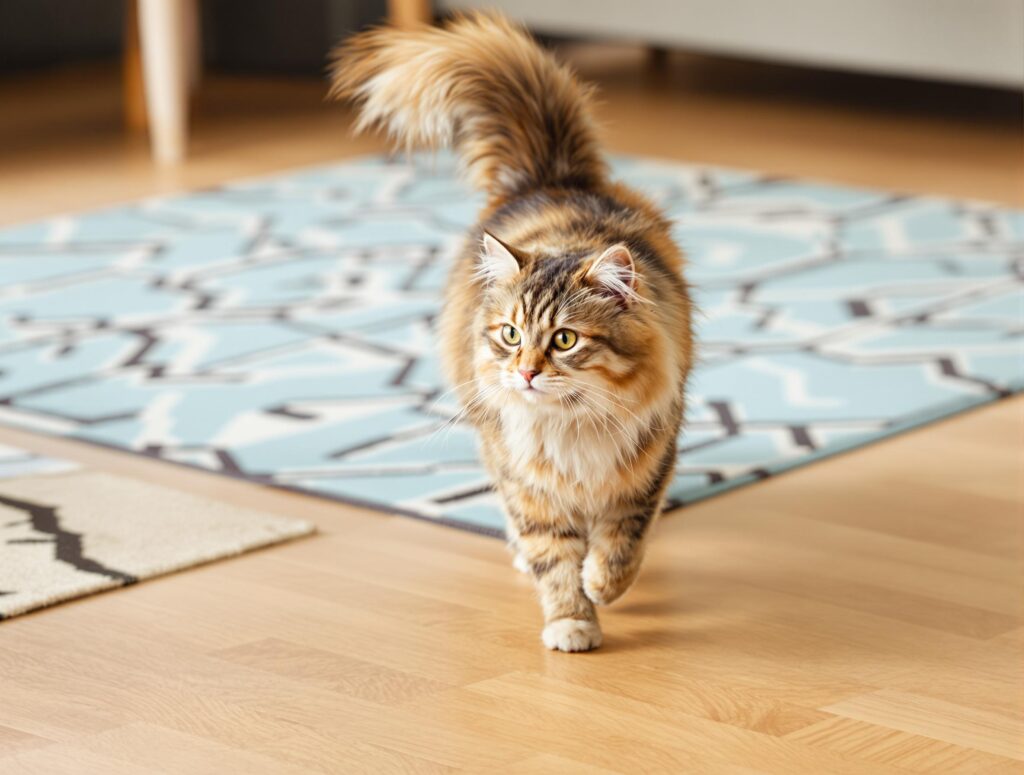
Cat gas isn’t exactly a common topic at the vet’s office, but it happens more often than you think. While feline flatulence tends to be silent and subtle, a particularly smelly episode might catch your attention. If that smell shows up regularly, it could be your cat’s way of signaling an issue in the gut.
At PetHealthMD, we break down everyday pet health questions so you can feel more confident spotting what’s normal and what might need attention. Let’s dive into the causes of cat flatulence, what’s harmless, and when it’s time to check in with your vet.
Understanding Feline Flatulence
Yes, cats do fart—but it’s usually not something you’ll hear or even notice. Flatulence is a natural part of the digestive process in most mammals, and cats are no exception. The difference is that feline gas tends to be quiet and infrequent, often going completely undetected unless there’s a distinct smell.
You might be more likely to notice gas in certain cats based on their diet, age, or level of activity. Kittens and senior cats, for example, may be more sensitive to diet changes that lead to gas. Similarly, sedentary indoor cats may experience occasional bloating or gas due to slower digestion.
In most cases, occasional feline flatulence is totally normal. But if it becomes frequent or starts carrying an unpleasant odor, it might be your cat’s way of telling you something isn’t sitting right with their stomach.
Causes of Gas in Cats
Just like in people, cat flatulence usually starts in the gut. Some triggers are mild and manageable, while others could signal that something deeper is going on with digestion.
- Swallowed air from fast eating: When cats eat too fast, they take in air that gets trapped in their digestive system. This air has to go somewhere, and it often exits as gas.
- Spoiled or low-quality food: If a cat eats something that’s gone bad or full of filler ingredients, their gut may struggle to break it down. This can cause fermentation, bloating, and gas.
- Dairy or food intolerances: Cats don’t have the enzymes to digest lactose, so dairy can create gas or even diarrhea. Other food intolerances can also affect digestion.
- Fiber-heavy or fermentable ingredients: Some cat foods include vegetables or plant-based ingredients that ferment in the gut, disrupting digestion.
- Digestive problems or infections: Intestinal parasites, infections, or chronic digestive disorders can all cause flatulence.
If your cat’s symptoms continue or worsen, a professional opinion from your vet can make all the difference. You can also explore cat digestive supplements to support gut health.
When to Schedule a Vet Visit
A little gas from your cat now and then isn’t usually a reason to worry. But when it becomes more frequent, stronger-smelling, or comes with other symptoms, it could be pointing to something more than a simple digestive hiccup.
What’s normal:
Mild, occasional gas—especially after a large meal—is a normal part of digestion. If your cat is eating well, using the litter box normally, and doesn’t seem bothered, there’s usually no need to stress.
What may be worth checking with the vet:
If your cat’s gas is frequent, especially with a strong odor, it could be linked to their diet or an intolerance. Gas paired with vomiting, diarrhea, bloating, or a sudden change in behavior should be taken seriously.
For ongoing digestive concerns, you might consider cat food formulated for sensitive stomachs to help reduce discomfort.
How to Reduce Cat Farting
If your cat’s gas is becoming noticeable, a few simple changes might help. These tips can minimize the toots and keep your cat’s gut running more smoothly:
- Switch to high-quality food: Choose foods with real protein sources, limited fillers, and ingredients your cat tolerates well.
- Avoid dairy or human food: Cats are lactose intolerant, and table foods can upset their stomach.
- Make diet changes gradually: Transition over 7–10 days to prevent digestive upset.
- Feed smaller, more frequent meals: This helps reduce air swallowing and digestive stress.
- Use slow-feeder bowls: These bowls prevent gulping and minimize swallowed air. Check out feeding accessories designed to encourage slower eating.
- Keep your cat active: Regular play supports healthy digestion and reduces bloating.
If gas continues despite dietary and lifestyle changes, it may be time for a vet visit to rule out deeper digestive issues.
FAQs About Flatulence in Cats
How can daily routine changes help reduce my cat’s gas?
Serving meals at consistent times and creating a peaceful dining space away from other pets can support better digestion.
Are certain cat breeds more likely to have tummy troubles?
Flat-faced breeds, like Persians and Himalayans, may experience more gas because they tend to swallow air while eating.
Which foods can help minimize my cat’s gas?
Quality protein sources like chicken, turkey, and fish are gentler on the stomach. Avoid foods high in fillers or fiber.
How can regular vet check-ups support my cat’s digestive health?
Regular vet visits can help spot potential issues early and allow your vet to recommend a diet tailored to your cat’s needs.
Most Cat Farts Are Harmless—But Trust Your Instincts
Feline flatulence might not be the most glamorous topic, but it’s one more way your cat’s body communicates with you. If something smells off, it could be worth checking their diet or overall health. When in doubt, a quick vet visit can give you peace of mind.
At PetHealthMD, we’re here to help you make sense of your cat’s quirks and symptoms. Explore Cat Health and Wellness on 1800PetMeds.com to find products and expert resources that support your pet’s comfort and digestive health.