

Key takeaways:
- Cat dander is made up of tiny skin flakes that carry proteins, which can trigger allergy symptoms in sensitive individuals.
- Regular grooming, cleaning, and using tools like HEPA filters can help reduce dander buildup in your home.
- Managing dander is possible with small, consistent habits that make living with your cat more comfortable for everyone.
What Is Cat Dander?
Cat dander is made up of tiny flakes of skin that your cat naturally sheds, similar to how humans shed dead skin cells. You won’t usually see it the way you see fur, but it ends up on surfaces all over your home—your couch, your clothes, even floating in the air. The tricky part is that these tiny flakes carry proteins, like Fel d 1, which is a common trigger for people with cat allergies.
Because dander is so small and light, it spreads easily. Even if your cat doesn’t spend time in certain rooms, dander can still make its way there on clothing, bedding, or through the air. This is why managing dander is important—not just for people with allergies, but also for keeping your living space fresh and clean.
Effects of Cat Dander on Allergies
If you’ve ever felt stuffy, itchy, or sneezy around cats, dander might be the reason. Here’s how it can affect people, especially those with sensitivities or allergies:
- Sneezing and nasal congestion: Breathing in airborne dander can trigger sneezing, a runny nose, or nasal congestion.
- Itchy, watery eyes: Dander particles can irritate your eyes, making them red or watery.
- Coughing or throat irritation: Some people experience throat tickling or coughing after breathing in dander.
- Skin reactions: Touching surfaces or fur covered in dander can lead to itchy skin, hives, or redness.
- Worsening asthma symptoms: For people with asthma, dander can make breathing more difficult and trigger flare-ups.
Being aware of these effects can help you take steps to reduce exposure, especially if you or someone in your home is sensitive to pet allergens.
Effective Ways to Reduce Cat Dander
While you can’t stop your cat from producing dander entirely, you can manage it effectively with these simple steps.
Brush Your Cat Regularly
Regular brushing helps remove loose fur and dead skin before they spread. Choose a brush designed for your cat’s coat type, and brush several times a week. This keeps fur healthy and reduces shedding overall.
Bathe Your Cat Occasionally
Not all cats love baths, but pet-safe wipes or the occasional bath can reduce dander buildup. Always use a shampoo made specifically for cats, such as those available in the cat grooming supplies section at 1800PetMeds.
Use an Air Purifier
Air purifiers with HEPA filters capture tiny dander particles that float through the air. Place one in the room where your cat spends the most time to improve air quality and ease allergy symptoms.
Wash Bedding and Fabrics Often
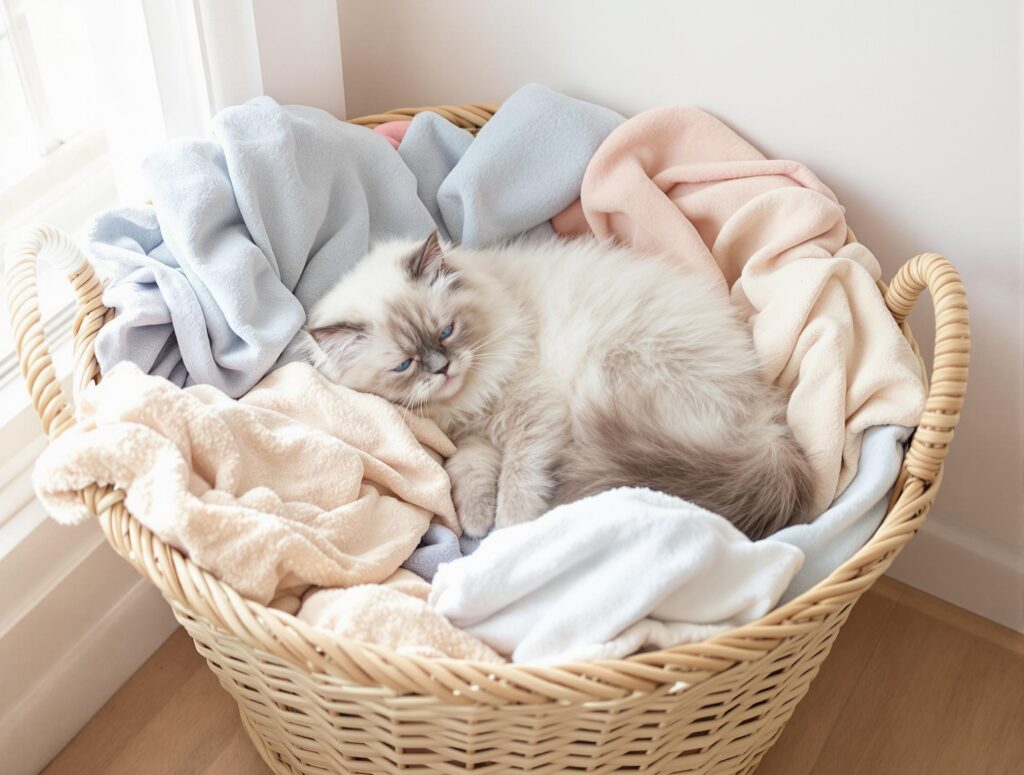
Your cat’s favorite spots—like beds, blankets, and furniture—collect dander quickly. Wash these items regularly, using hot water when possible to eliminate allergens effectively.
Vacuum with a HEPA Filter
Vacuuming is key for controlling dander on carpets and furniture. Use a vacuum with a HEPA filter to trap allergens instead of redistributing them. For additional help, consider using cat cleaning and odor control products to maintain freshness.
Common Questions About Cat Dander
What’s the Difference Between Cat Dander and Fur?
Fur is the soft, visible coat on your cat. Dander is microscopic and comes from tiny flakes of skin and proteins in saliva. It lingers in the air and on surfaces long after fur has settled.
Are There Truly Hypoallergenic Cats?
All cats produce allergy-causing proteins, but some breeds—like Siberian or Balinese—produce fewer. While they may be easier to live with, no cat is completely hypoallergenic.
How Do I Know If I Have a Cat Dander Allergy?
If you experience sneezing, itchiness, or watery eyes around cats, you may be allergic to dander. Consult your doctor for a skin or blood test to confirm.
What Treatments Help With Cat Dander Allergies?
Options range from over-the-counter allergy pills to prescription nasal sprays. Allergy shots may also offer long-term relief. Always check with your healthcare provider for personalized advice.
How Often Should I Maintain Different Areas to Control Dander?
Consistency is key:
- Daily: Wipe surfaces with a damp cloth.
- Every 2–3 days: Vacuum carpets and furniture with a HEPA vacuum.
- Weekly: Wash all bedding, including your cat’s sleeping spots.
- Monthly: Clean or replace air purifier filters and vacuum under furniture.
Manage Cat Dander for a Healthier Home
Dander might be a regular part of living with cats, but that doesn’t mean you have to live with constant sneezing or stuffy air. From grooming to cleaning and air purification, managing dander is achievable with a little consistency. Explore a wide range of cat grooming products and cat cleaning solutions at 1800PetMeds to help maintain a cleaner, more comfortable home for both you and your feline friend.