
Horse Wormers (Equine Wormers)

Deworming Your Horse More than 150 parasites infect horses through soil, water, and flies. Among the most troublesome are large and small strongyles, bots, roundworms, threadworms, tapeworms, pinworms, and lungworms. For most horses, parasites are not a minor problem but a serious issue that can cause anemia, colic, coughing, wheezing, poor hair coat, and reduced […]
Hair Loss Treatment for Cats
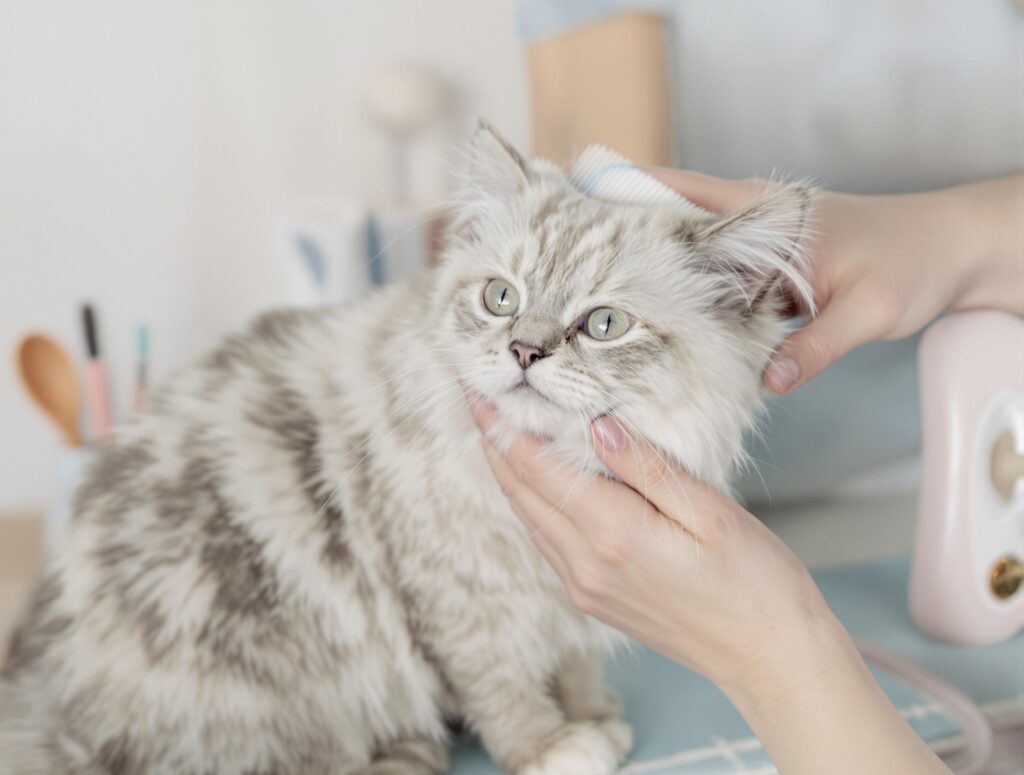
Specific treatments for hair loss in pets will depend on the underlying cause. When encountering a patient with hair loss, veterinarians will take careful notes of the breed/age of the pet, as well as ask historical information from the pet owner. For pets less than one year old, or pets that have been adopted from […]
How to Treat Ear Infections in Dogs

Your veterinarian will want your pet to start on medications that relieve pain and infection right away. Then, in 2-3 days when the culture results have returned from the lab, either your pet will continue on the same medication, or your pet will receive a more effective medication. Medications can include natural remedies, oral antibiotics […]
Liver Disease Treatment for Dogs

Treatment options for pets with liver disease Treatment of liver disease in pets varies depending on the underlying cause and severity of the condition. IV fluids, antibiotics, ursodeoxycholic acid, and possibly steroids may be used. Medication to decrease nausea and vomiting is needed, as well as vitamin and mineral supplements. In severe cases, blood transfusions […]
What Causes Bladder Stones in Cats?

Oversaturation of the urine with urine crystals is the biggest factor in bladder stone formation in dogs and cats. This oversaturation may be caused by increased excretion of crystals by the kidney, increased water reabsorption by the kidneys, and changes in the urine PH leading to crystal formation. Other factors in stone formation include genetics, […]
Hyperthyroidism in Cats

What is hyperthyroidism? Hyperthyroidism is an excess of the thyroid hormone, thyroxin. Thyroxin determines how quickly your pet burns fuel and makes energy. Because every cell in the body burns fuel, every cell is affected by hyperthyroid disease, but the first sign we often notice is how thin the pet is despite having a ravenous […]
Corneal Ulcer Treatment for Dogs

Treatment options for pets with corneal ulcers For treatment of corneal ulcers in pets, veterinarians will prescribe an ophthalmic medication, perhaps one with a topical antibiotic. Among the antibiotic eye medications are Terramycin (Rx) and Gentamicin Sulfate Ophthalmic Solution (Rx). Your veterinarian may also prescribe Atropine Ophthalmic Solution (Rx), which helps in two ways. Atropine […]
Kidney Stones in Dogs

What are kidney stones? Kidney stones in dogs and cats are occasionally seen and may cause urinary tract infections and other urinary tract symptoms. The stones, also known as uroliths, found in pets are very similar to those found in humans. Most of these stones are composed of mineral salts from common elements, including phosphorus, […]
How to Treat a Dog With Allergies

The sad news is that there is no cure for allergies in dogs and cats. There are, however, ways to decrease allergen exposure and to address allergy symptoms in pets. Avoiding allergens Allergens include mites, grasses, molds, and pollens. Elimination of allergens is a challenge. Among the techniques that help are running air filters, keeping […]
The Importance of Heartworm Preventatives
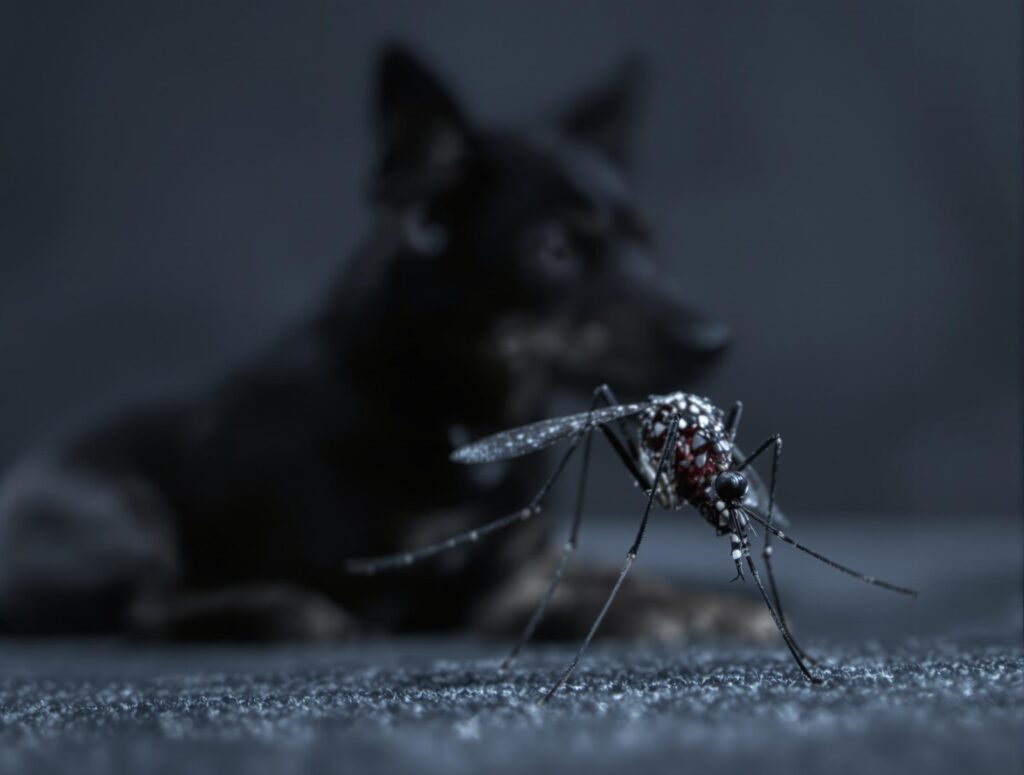
If your pet is not on a monthly heartworm preventative, the risks of contracting this potentially fatal disease are significantly increased. It takes only one heartworm-carrying mosquito to infect your pet. Worst of all, adult heartworms can survive in dogs for up to seven years, and in cats they may survive from a few months […]
Cushing’s Disease in Dogs

What is Cushing’s disease? Cushing’s disease in dogs and cats is an excess of cortisol, the hormone normally released by the adrenal glands when pets are stressed. Cushing’s disease is also called hyperadrenocorticism Key facts about Cushing’s disease in dogs and cats Pets with Cushing’s disease are stressed mentally & physically. Bald patches and skin […]
Hypothyroidism in Dogs

What is hypothyroidism? Hypothyroidism is a deficiency of thyroid hormone. Because the thyroid gland sets the rate at which cells burn energy, a deficiency of thyroid hormone leaves pets dull and listless in body and soul. Key facts about hypothyroidism in dogs Hypothyroid disease is the most common hormone disease of dogs. Pets lose their […]
What Is Horse Lameness?
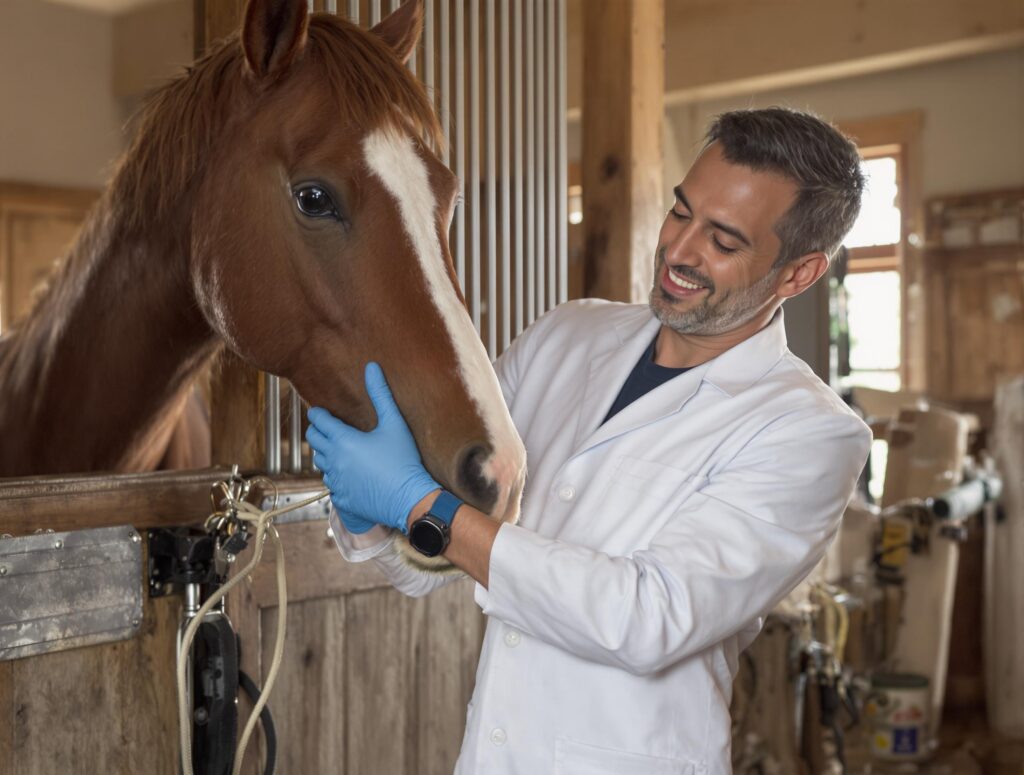
Horse lameness, also called equine lameness, is a mild to severe loss of the ability to move normally. It can be caused by problems in a horse’s bones, muscles, nerves, tendons, ligaments, brain, circulation, or metabolism. Almost any abnormality in the body can affect a horse so that it becomes lame. However, the majority of […]
Treatment for Feline Asthma

Treatment options for feline asthma Asthma is cats has been most commonly treated with corticosteroids, either long acting injections (known as depomedrol) or oral prednisolone tablets. While these drugs often bring dramatic relief, there are many potential long term complications of repetitive steroid use, including secondary infections, weight gain and diabetes. Other medications that may […]
Feline Leukemia Treatment

Treatment options for feline leukemia Some cats with leukemia are seriously ill and die quickly, but many live for several years after being diagnosed. Death is usually caused by a secondary infection because these cats are not able to fight off bacteria and viruses. Since there is no specific treatment for leukemia in cats, cats […]