
Fleas aren’t just annoying, causing your dog or cat to feel itchy—they can also transmit tapeworms, spread Bartonella bacteria, and cause anemia. Fleas can even bite humans. Whenever you see flea dirt on dogs or cats, it’s a key indicator that there are fleas that need to be eliminated.
There are easy ways to determine if your pet has flea dirt, and there are products formulated for dogs and cats that will kill fleas and prevent future infestations.
What Is Flea Dirt?
When a flea bites an animal, it eats blood that ends up digested and released in the form of flea dirt. In other words, flea dirt is feces that contains digested blood.
Adult fleas produce flea dirt. After they mate and lay eggs, larvae hatch and eat the flea dirt to survive. The larvae then become pupae before hatching from cocoons as adult fleas. This cycle continues until you eliminate all the eggs, larvae, pupae, and adults from your pet and environment.

What Does Flea Dirt Look Like?
Flea dirt appears as small, dry, black specks that resemble ground pepper or coffee grounds. Unlike regular dirt that doesn’t change color when wet, flea dirt turns red-brown because it’s digested blood.
How to Test for Flea Dirt
Not sure if you’re dealing with regular dirt or flea dirt? Use a flea comb to collect debris from your pet’s coat and then wet it to see if it changes color.
You can test by placing the dirt on a damp white paper towel. If the specks turn reddish and stain the paper, it’s flea dirt. If it doesn’t change color after about a minute, it’s regular dirt.
Where Is Flea Dirt Commonly Found?
You might be able to spot flea dirt on your pet if they have lighter fur or a thin coat. Use a flea comb to check areas close to the skin. Flea dirt is typically found in warm spots that are hard for pets to reach—such as the base of the tail, hind legs, ears, belly, and neck.
You might also notice flea dirt around your home, like in your pet’s bed, on furniture, or on floors. Fleas can even thrive outdoors, especially in humid, shaded areas.
How to Get Rid of Flea Dirt
To eliminate flea dirt, you have to remove the fleas producing it. This involves a multi-step approach that targets all flea life stages both on your pet and in your home.
Step 1: Groom Your Pet
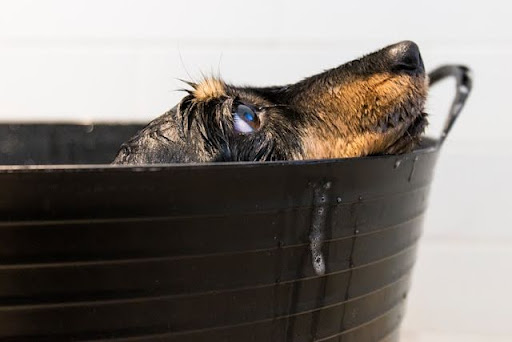
Use a flea comb to remove as many fleas and flea dirt as possible. Keep a cup of soapy water nearby to drown captured fleas. Bathing your pet with a gentle, species-appropriate shampoo helps wash away both fleas and dirt.
Step 2: Use Flea Treatments
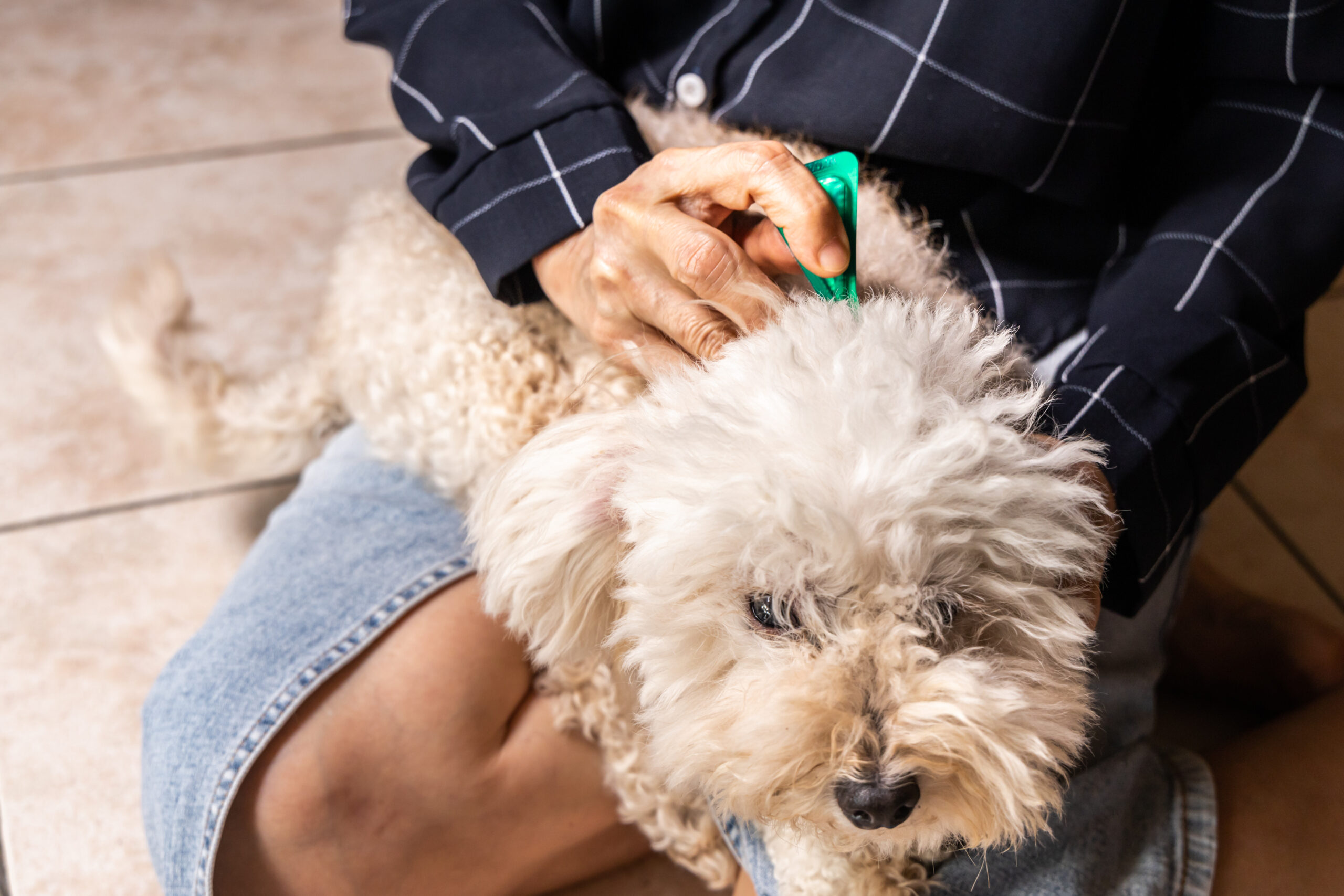
Vet-approved flea treatments are available in topical or oral forms. Always choose the correct product for your pet’s species, age, and weight. Common options include:
- Frontline Plus – Kills flea eggs, larvae, and adults; waterproof and long-lasting.
- Capstar – Fast-acting oral treatment that starts working in 30 minutes.
- Advantage II – Kills fleas at all life stages and lasts for 30 days.
Note: Cats with the MDR1 mutation may react to certain flea ingredients. Always consult your veterinarian before starting any treatment.
Step 3: Clean Your Home
Vacuum your home thoroughly, focusing on areas where your pet spends time. Empty the vacuum after each use. Wash all bedding in hot water to remove flea eggs and dirt. For severe infestations, consider professional pest control.
Outdoor flea control products can also help treat your yard. Browse Flea and Tick Control Products to find options for both indoor and outdoor use.
How to Prevent Flea Dirt from Returning
Once you’ve dealt with fleas, you’ll want to prevent them from coming back. Ongoing prevention is key.
Use Year-Round Flea Preventatives
Fleas can survive in cooler weather, so using flea prevention year-round is best. Choose a preventative based on your pet’s species and health. Popular options include:
- Bravecto Chews for Dogs – Oral chew lasting up to 12 weeks.
- Bravecto Topical for Cats – Long-lasting protection for up to 12 weeks.
- Seresto Collar – Provides up to 8 months of continuous protection.
Maintain a Clean Home and Yard
Regularly vacuum floors and wash bedding weekly. Keep your lawn trimmed and remove debris where fleas can thrive.
Perform Regular Flea Checks
Even with preventatives, check your pet regularly with a flea comb. Watch for scratching, biting, or signs of discomfort.
Conclusion
If there’s flea dirt, there are fleas. Consistent cleaning, year-round preventatives, and vet guidance will help keep these parasites away. For trusted solutions, explore the full selection of Flea and Tick Medications available at 1-800-PetMeds.