

Fleas are among the most common pests that affect dogs, cats, and other furry animals. They reproduce quickly, as female fleas can lay up to 40 eggs per day. Depending on the flea’s life stage, you may need multiple treatments to fully eliminate them.
Fleas cause itching and irritation in pets, but that’s not all—they can also spread tapeworms, murine typhus, and even the plague. Because of their tiny size and dark color, fleas can be difficult to spot. This guide explains what fleas look like to the human eye, how to identify signs of infestation, and how to remove and prevent fleas effectively.
What Do Fleas Look Like to the Human Eye?
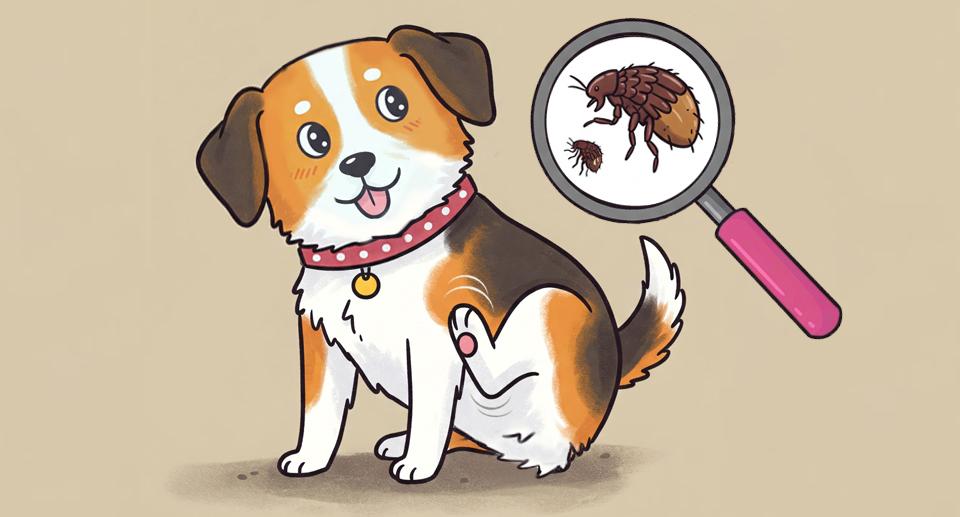
To the naked eye, fleas look like tiny jumping dots—small, fast-moving brown or black specks that are hard to photograph or catch. Adult fleas that have hatched from their cocoons have the following characteristics:
- Size: Typically 2–4 millimeters long, similar to a sesame seed.
- Color: Dark brown or near-black, sometimes with a reddish tint.
- Shape: Oval, flat from the side, and narrow from the top. Their hind legs are often visible and are used for jumping.
What Do Flea Eggs Look Like?
Flea eggs are much smaller and harder to see. They resemble tiny grains of white rice, off-white in color, and measure about half a millimeter long. Flea eggs are oval-shaped and often fall into bedding, carpets, and pet fur.
What Does Flea Dirt Look Like?
Flea dirt is one of the most common signs of a flea infestation. It looks like small black flecks resembling pepper flakes, but it is actually flea fecal matter composed of digested blood. You’ll often find it on your pet’s neck, lower back, or stomach, as well as on carpets and bedding.
To confirm flea dirt, place a few specks on a damp paper towel and press it gently. If the dirt turns red or pink, it’s dried blood, confirming flea activity.
What Do Flea Bites Look Like?
Flea bites appear as small, red, itchy bumps on both pets and humans. On dogs, bites are most common near the tail base, stomach, groin, and armpits. Persistent scratching in these areas could signal a flea problem. Severe infestations can cause hair loss or skin infections.
How to Get Rid of Fleas
If your pet has fleas, immediate treatment is essential. Start by bathing them in a flea shampoo and combing their fur with a flea comb. A flea collar can provide long-term protection.
For dogs, Simparica Trio Chewable Tablets kill and prevent fleas while protecting against other parasites like heartworms and ticks. For cats, Bravecto Plus Topical Solution offers similar comprehensive protection.
After treating your pet, wash their bedding and toys in hot water, vacuum floors and furniture, and discard the vacuum bag. To eliminate pests in your home, use TropiClean Flea and Tick Spray.
How to Prevent Fleas
Preventing fleas starts with consistent care. Ask your veterinarian about year-round oral or topical treatments. Some of the most effective options include:
- Bravecto Chew for Dogs: Long-lasting, tasty chew that works up to 12 weeks.
- Revolution Plus Topical Solution for Cats: Protects against fleas, ticks, roundworms, and more.
- Seresto Flea & Tick Collar for Cats: Provides eight months of continuous protection.
In addition to these treatments, vacuum frequently and wash your pet’s bedding weekly. In your yard, remove debris, old wood piles, and trash that may attract rodents, which can carry fleas.
Stay Vigilant and Be Prepared for Fleas
Fleas are a common challenge for pet owners, but early detection and prevention can make a big difference. With the right tools, you can minimize itching, irritation, and infestation risks.
Explore more flea and tick prevention products at 1800PetMeds, and talk to your veterinarian if over-the-counter methods don’t provide relief.
FAQs About Fleas
How can I tell if my pet has fleas?
Look for excessive scratching, visible black specks (flea dirt), or small jumping insects in their fur. Flea bites may also appear as small red bumps on the skin.
Can indoor pets get fleas?
Yes, even indoor pets can get fleas. Fleas can enter homes on clothing, shoes, or other pets that go outside.
How long do fleas live?
Fleas can live for several weeks to a few months, depending on their environment. Warm, humid conditions extend their lifespan.
Do fleas go away on their own?
No, fleas rarely disappear without treatment. Their eggs can hatch weeks later, so ongoing prevention is necessary.
What’s the best way to prevent fleas year-round?
Monthly flea prevention products, regular grooming, and consistent home cleaning are the most effective ways to protect your pet and household.