Key takeaways
Cat sneezing can be a common yet manageable occurrence, often triggered by environmental irritants or mild infections. Understanding the difference between harmless sneezes and signs of serious health issues, such as persistent sneezing with colored discharge or behavioral changes, is vital for timely veterinary care. Home adjustments, like air purifiers and employing pet-friendly cleaning products, can significantly reduce sneezing triggers and improve your cat’s respiratory health.
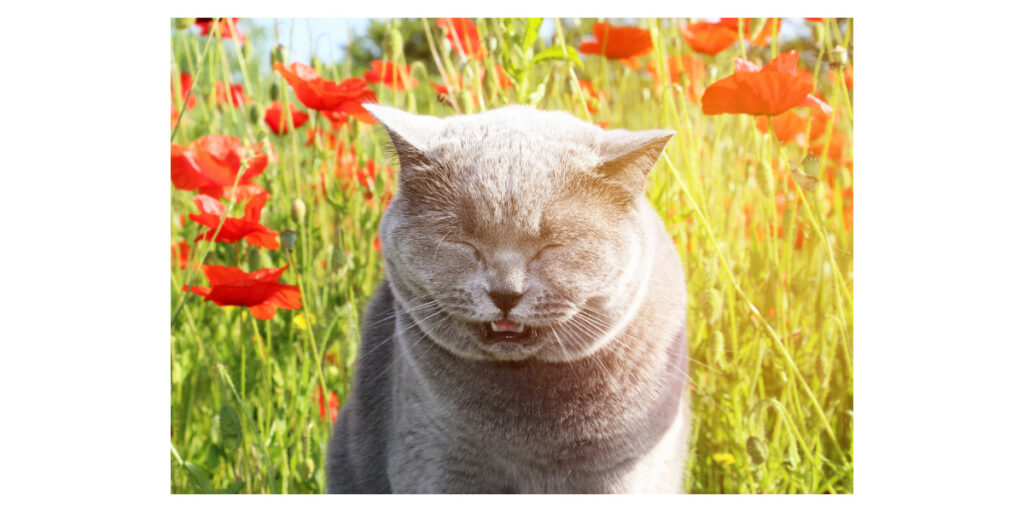
A sudden burst of air and a soft “huff” from your furry friend catches your attention—your cat is sneezing again. While cats sneeze for many reasons, from simple dust irritation to respiratory infections, knowing when these sneezes signal something more helps protect your pet’s health.
It’s easy to wonder if that sneezing fit is just a one-off or something more serious. When it’s paired with changes in your cat’s behavior or appetite, it’s worth paying closer attention. PetHealthMD understands the importance of telling the difference between a harmless sneeze and a sign of an underlying health concern.
Why Cats Sneeze
Your cat’s sudden sneezing might catch you off guard, but it’s often manageable. Sneezing in cats can stem from a wide range of causes, from harmless irritants to infections that require a vet’s care. Understanding these causes can help you know when it’s time to watch and wait, and when it’s time to take action.
Environmental Irritants
Just like us, cats react to particles and chemicals in their surroundings. Common indoor irritants include dust, mold spores, tobacco smoke, scented candles, and cleaning products. During the winter, when cats spend more time indoors, exposure to these irritants increases.
Simple ways to reduce exposure include:
- Using a vacuum with HEPA filters
- Switching to fragrance-free cleaners
- Running air purifiers
- Keeping windows closed on high-pollen days
For additional support, explore cat-specific respiratory supplements or wellness aids under Cat Health Supplies.
Infections
Sometimes sneezing isn’t just about dust. Upper respiratory infections are common in cats, especially in environments with multiple animals or recent stress.
Viral Infections
Two common viruses behind sneezing in cats are feline herpesvirus and feline calicivirus. These may cause watery eyes, clear nasal discharge, and reduced appetite.
Bacterial Infections
Bacteria may cause respiratory issues on their own or worsen viral infections. Signs include yellow or green discharge and lethargy.
Preventive steps include vaccines, regular vet visits, and low-stress living environments.
If your cat’s sneezing is frequent or paired with appetite loss or lethargy, speak with your veterinarian.
The Role of Diet and Nutrition in Respiratory Health
Your cat’s respiratory health begins with proper nutrition. Balanced, protein-rich meals help support the immune system and overall wellness. Serving wet food at room temperature encourages eating when your cat is congested.
Provide fresh water and keep feeding areas clean to minimize irritants. If your cat shows signs of liver problems or appetite decline, seek veterinary care quickly.
Small, frequent meals may also support cats prone to respiratory flare-ups.
Frequently Asked Questions About Cat Sneezing
Can cats be allergic to other pets or humans?
Yes, some cats can develop allergies to dander or proteins from other pets or even humans.
Is it normal for kittens to sneeze more than adult cats?
Yes, kittens have developing immune systems and are more prone to upper respiratory infections.
Can dental issues cause sneezing in cats?
Yes, infections in the upper teeth can affect the nasal passages and lead to sneezing.
Are sneezing cats contagious to other pets?
Cats with viral or bacterial infections may spread illness to other cats but typically not to humans or dogs.
How long should I wait before taking my cat to the vet?
If sneezing persists for more than five to seven days or includes colored discharge or appetite loss, contact your veterinarian.
Should I stop using certain litters if they cause sneezing?
Switch to a low-dust, unscented litter if you suspect irritation and monitor changes.
Ensure Your Cat’s Respiratory Health
Supporting your cat’s respiratory health is an ongoing journey that combines attentive care with veterinary guidance. When sneezing becomes persistent or concerning, your veterinarian can help ensure proper treatment.
For at-home support, browse helpful products in the Cat Health category at 1800PetMeds.com, including supplements and wellness essentials to help your cat breathe easier.