Dogs are estimated to have the mental capabilities of a two-year-old child. They can learn hundreds of words and phrases, pick up on subtle nonverbal cues, and work alongside humans in numerous high-pressure career fields spanning medical research, law enforcement, entertainment, and so much more.
Yet, it can be frustratingly difficult to get your dog to simply “sit” when asked.
Want to learn the secrets to training your dog like a pro? In celebration of National Train Your Dog Month, try these five golden rules used by professional dog trainers and behaviorists to help dogs focus, learn new skills, and respond to any cue in even the most distracting environments.
1. Feed High Quality Dog Food
The quickest way to your dog’s brain is through their stomach, not only when it comes to treats but also at mealtimes. A premium dog food rich in cognitive-function supporting ingredients can help improve your dog’s mood, memory, and attentiveness. Make sure your dog’s diet includes plenty of protein, healthy fats, probiotics, and antioxidants, all of which work towards supporting healthy brain function.
Also, consider timing your training sessions around your dog’s mealtimes. While it’s commonly believed that a hungry dog will be more motivated, a 2012 University of Kentucky study suggests otherwise. During the study, dogs participated in a search and memory task in a fasted state or 10, 30, or 90 minutes after a meal. Those who had eaten 10 to 30 minutes before the training session performed the best, with significantly better attentiveness and impulse control than their hungry counterparts.
Explore high quality dog nutrition options in our Dog Food category.
2. Use High Value Treats
Keep your dog motivated with plenty of bite sized, high value treats. You’ll need meaty, rich odor rewards like freeze dried liver or jerky style dog treats.
High value treats are essential for teaching new skills, training in distracting environments, and occasionally boosting motivation. But will you always need treats, destined for your dog to only listen when you wave a strip of jerky under their nose?
Varying up rewards can actually make your dog more likely to listen. You can phase out treats for basic, fluent skills. At times, you can alternate treats with nonfood rewards like toys and verbal praise. There’s nothing wrong with using food rewards, though treats are your dog’s paycheck for a job well done.
Find training treat options in our Dog Treats category.
3. Teach, Then Generalize
Dogs can need help with generalizing or applying a skill to different situations. For example, your dog might find it easy to “sit” in your quiet living room but may not respond to cues at the park, a friend’s house, or the vet. They may respond to “sit” when you’re standing in front of them but may not seem to understand when you’re sitting across the room.
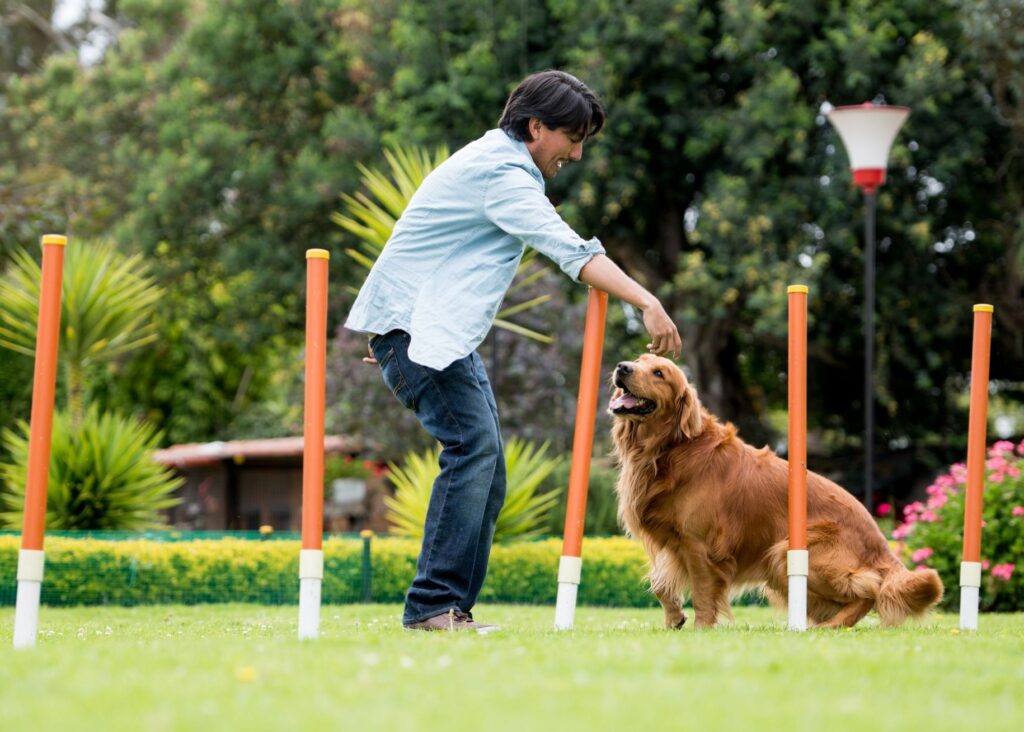
To help your dog generalize new skills, practice in various settings. Teach your dog to “sit” in the kitchen, then on the living room carpet. Practice in the grass, on the sidewalk, at a store, and a friend’s house. Many dogs need extra patience (and treats) as they relearn new skills in a different context.
4. Teach the Dog in Front of You
Every dog is unique. Techniques that work for some dogs may be less effective for others. Skills that one dog picks up quickly may take months for another. In general, clear communication and a motivating reward make learning possible for all dogs.
Your dog’s age, previous experience, personality, temperament, and breed traits will affect how they learn. Hounds, for example, are easily distracted by their incredible sense of smell and may be virtually unable to hear you when you call them off the trail of a bunny. Herding breeds can often pick up complex skills quickly but may struggle with skills that require impulse control, like learning not to jump on guests.
5. Nurture Your Dog’s Mental Health
For dogs, training is more than just an opportunity to earn treats. It’s also a way to spend one on one time with you, building up a stronger bond based on communication. Dogs love making us happy and feel stressed when they pick up on frustration, annoyance, or anger from their favorite human.
When you don’t see results, take a breather and reevaluate your training plan. Does your dog understand what you’re asking of them? Are they bored, frustrated, hungry, or distracted?
If you’re having trouble training your dog, especially when it comes to managing behavioral issues, remember that you do not have to go at it alone. Talk to a veterinarian for guidance and recommendations tailored to your dog’s specific needs.
For calming aids and behavior support products, visit our Dog Anxiety and Calming category.
Frequently Asked Questions
What treats work best for training my dog?
High value treats with strong aromas like freeze dried liver or jerky style bites usually work best. These treats help your dog stay motivated, especially when learning new skills.
How long should dog training sessions last?
Most dogs learn best with short, focused sessions lasting 5 to 10 minutes. Multiple short sessions throughout the day tend to be more effective than one long session.
How do I know if my dog is stressed during training?
Signs of stress can include yawning, lip licking, turning away, whining, or refusing treats. When this happens, take a break and reassess the training environment.
Is it normal for my dog to learn slowly?
Yes. Every dog learns at their own pace. Some may pick up new skills quickly while others need more repetition and patience.
When should I seek help from a professional trainer?
If you are struggling with behavioral concerns like reactivity, aggression, or severe anxiety, or if training feels overwhelming, a certified trainer or veterinarian can provide personalized guidance.
Ready to support your dog’s training journey with quality nutrition, treats, and wellness essentials? Visit the full Dog Category on PetMeds to explore everything you need to help your dog thrive.