Key takeaways:
- Understanding which common foods are toxic to dogs can help prevent serious health emergencies.
- If your dog eats something potentially toxic, your veterinarian is your most reliable resource. Do not delay reaching out.
- Creating a safe food environment and educating family members can protect your dog from accidental poisoning.
Why Toxic Foods Pose a Serious Risk
Dogs are curious by nature, and sometimes that curiosity gets them into trouble, especially when food is involved. From kitchen counters to dropped snacks, there are everyday items in your home that can be dangerous for your pup. A surprising number involve everyday foods we often leave lying around. Even a single grape or a bite of chocolate can lead to an emergency.
That is why it helps to know which foods pose the biggest risks and what to do if your dog eats them. Being ready with the right info and a plan could save your dog’s life. If you are unsure, do not wait. Your vet is always the best place to turn. For more on what to look for, check out PetHealthMD’s symptoms guide.
Let’s walk through the most dangerous foods for dogs and how you can help keep your pup safe.
1. Be Cautious with Chocolate
Chocolate is one of the most dangerous foods for dogs because it contains theobromine and caffeine. Dogs cannot break these down like humans can, which means even a small amount can be harmful. The darker the chocolate, the higher the risk.
Signs of chocolate poisoning usually appear within a few hours. You might notice vomiting, restlessness, a fast heartbeat, or even seizures. If your dog shows any of these symptoms, call your vet right away. Just one ounce of milk chocolate per pound of body weight can be dangerous.
If you catch your dog sneaking chocolate:
- Store all chocolate items in sealed containers out of reach
- Remind guests and kids not to feed chocolate to your dog
- Consider digestive support supplements for minor stomach upset after non-toxic foods
For step-by-step guidance, read the PetHealthMD chocolate first-aid guide.
2. Prevent Grape and Raisin Exposure to Protect the Kidneys
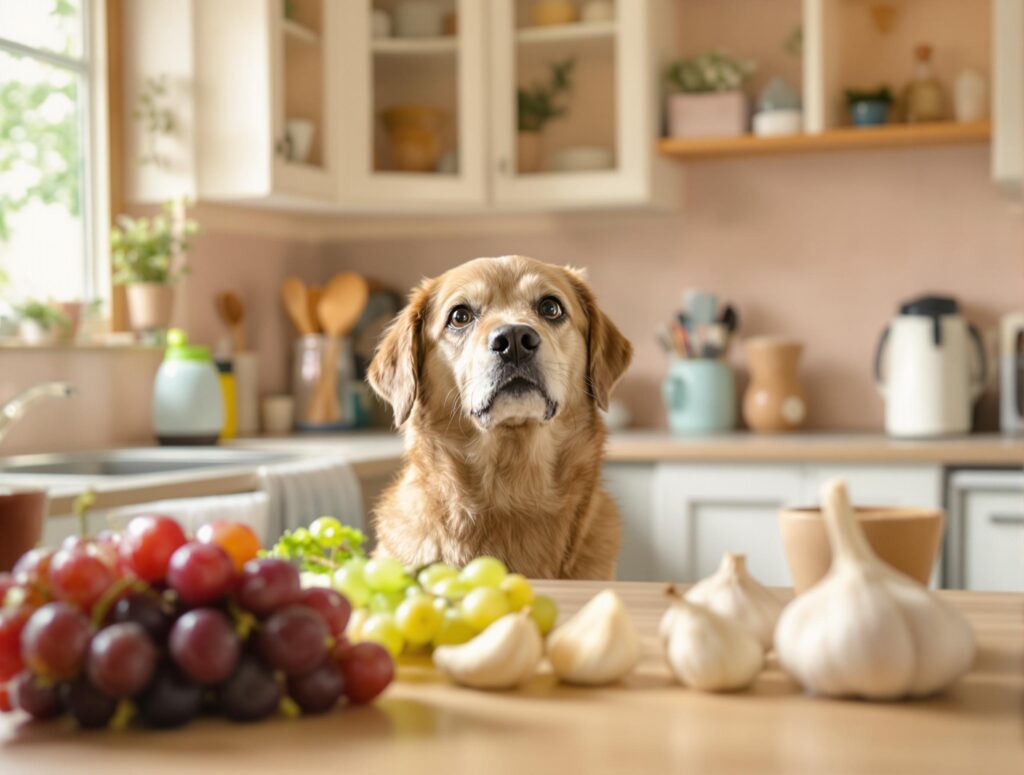
Grapes and raisins may seem harmless, but they are highly toxic to dogs and can cause sudden kidney failure even in small amounts.
Keep these fruits and any foods containing them safely stored. In fact, just 2.8 grams of raisins per kilogram of your dog’s weight could be harmful.
Watch for symptoms such as vomiting, diarrhea, reduced appetite, or pale gums within 6 to 12 hours of ingestion. Contact your vet immediately.
3. Avoid Onions and Garlic to Prevent Red Blood Cell Damage
Onions and garlic can be dangerous even in small amounts. These ingredients can damage red blood cells and interfere with oxygen delivery throughout the body.
Symptoms may not appear right away. If your dog becomes tired, stops eating, shows pale gums, or struggles to breathe, contact your vet.
4. Check Labels for Xylitol in Sugar-Free Products
Sugar-free foods may benefit humans, but they can be dangerous for dogs. Xylitol, found in gums, mints, peanut butter, and dental products, can trigger a sudden insulin release leading to dangerously low blood sugar.
Symptoms such as vomiting, weakness, or drowsiness may appear within 30 minutes to 12 hours.
Always check ingredient lists, especially on sugar-free or keto-friendly foods. If your dog eats xylitol, seek immediate veterinary care.
For alternatives, explore dog-safe treats and chews with ingredients you can trust. Visit our Dog Treats & Chews category to browse safe options.
5. Keep Macadamia Nuts Out of Reach
Macadamia nuts can be seriously harmful even in small amounts. Symptoms like weak back legs, tremors, vomiting, or fever may develop within 12 hours.
Store nuts and nut-containing foods in secure cabinets. If exposure occurs, contact your vet right away.
6. Handle Avocados Carefully to Avoid Poisoning Risks
Avocados contain persin, particularly in the skin and pit, which can be toxic to dogs.
If your dog eats any avocado part, monitor for vomiting, diarrhea, or appetite loss. These symptoms could indicate poisoning or intestinal blockage.
It is also smart to keep the ASPCA Animal Poison Control number handy: (888) 426-4435.
Follow These Tips to Prevent Accidental Ingestion
A few everyday habits can help keep your dog safe:
- Store all food high up or in locked cabinets
- Use pet-proof containers
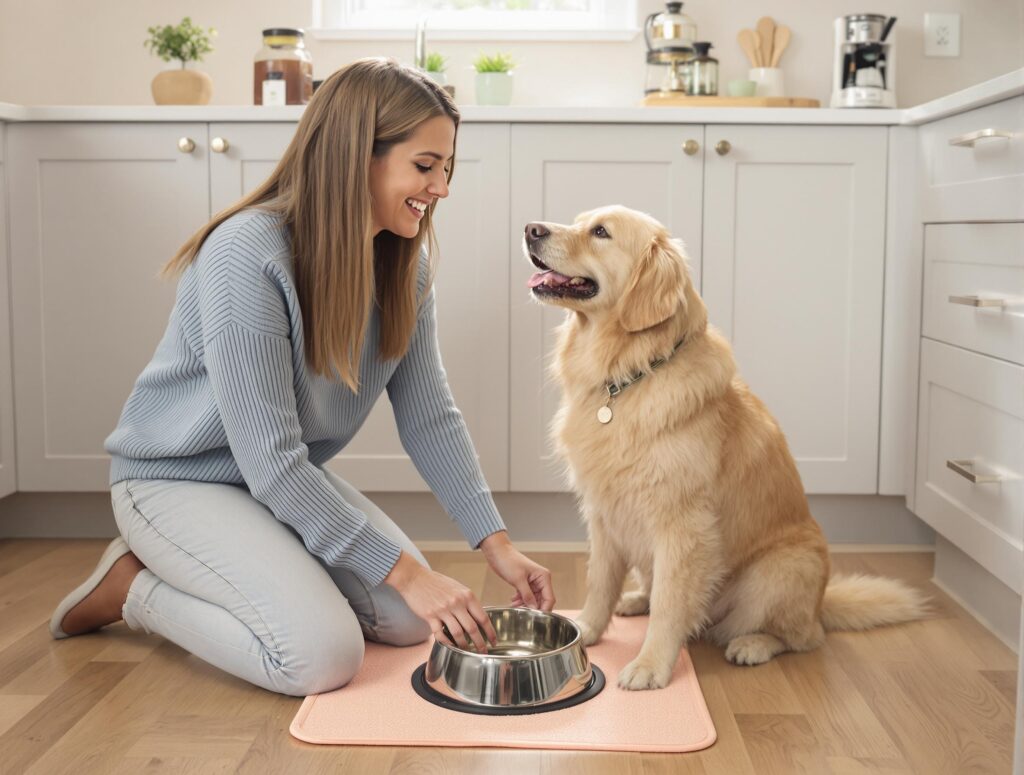
- Create a designated eating area off-limits to pets
- Teach kids not to give table food to dogs
- Keep trash bins secured
- Clean counters and floors promptly
If you suspect your dog ate something unsafe, call your vet immediately.
Frequently Asked Questions About Toxic Foods for Dogs
What should I do if my dog eats something harmful?
Call your vet right away. You can also contact the ASPCA Animal Poison Control Center at (888) 426-4435. Having the packaging of the food can help.
What are the basic rules for dog food safety at home?
Keep food in sealed containers, clear counters, and ensure guests do not feed your dog without checking ingredients.
What warning signs should I watch for?
Vomiting, diarrhea, extreme fatigue, drooling, or behavior changes.
Which human foods are safe for dogs?
Plain cooked chicken, carrot sticks, and small slices of apple (seeds removed) are generally safe.
How fast do reactions appear?
It depends on the food. Some symptoms show up within minutes, others take hours.
What is the most toxic food for a dog?
There is no single most toxic food, but chocolate, xylitol, grapes, and onions are top dangers.
Create a Safe Eating Environment for Your Dog
Your dog depends on you to help keep them safe around food. Store human foods out of reach and set clear household rules. Stay aware during mealtimes when accidents are most likely.
When in doubt, always reach out to your veterinarian.
Need trusted resources? Visit PetHealthMD for articles on pet safety, symptoms, and nutrition. For vet-approved wellness products, explore the Dog Supplies category on 1800PetMeds and support your dog’s health today.