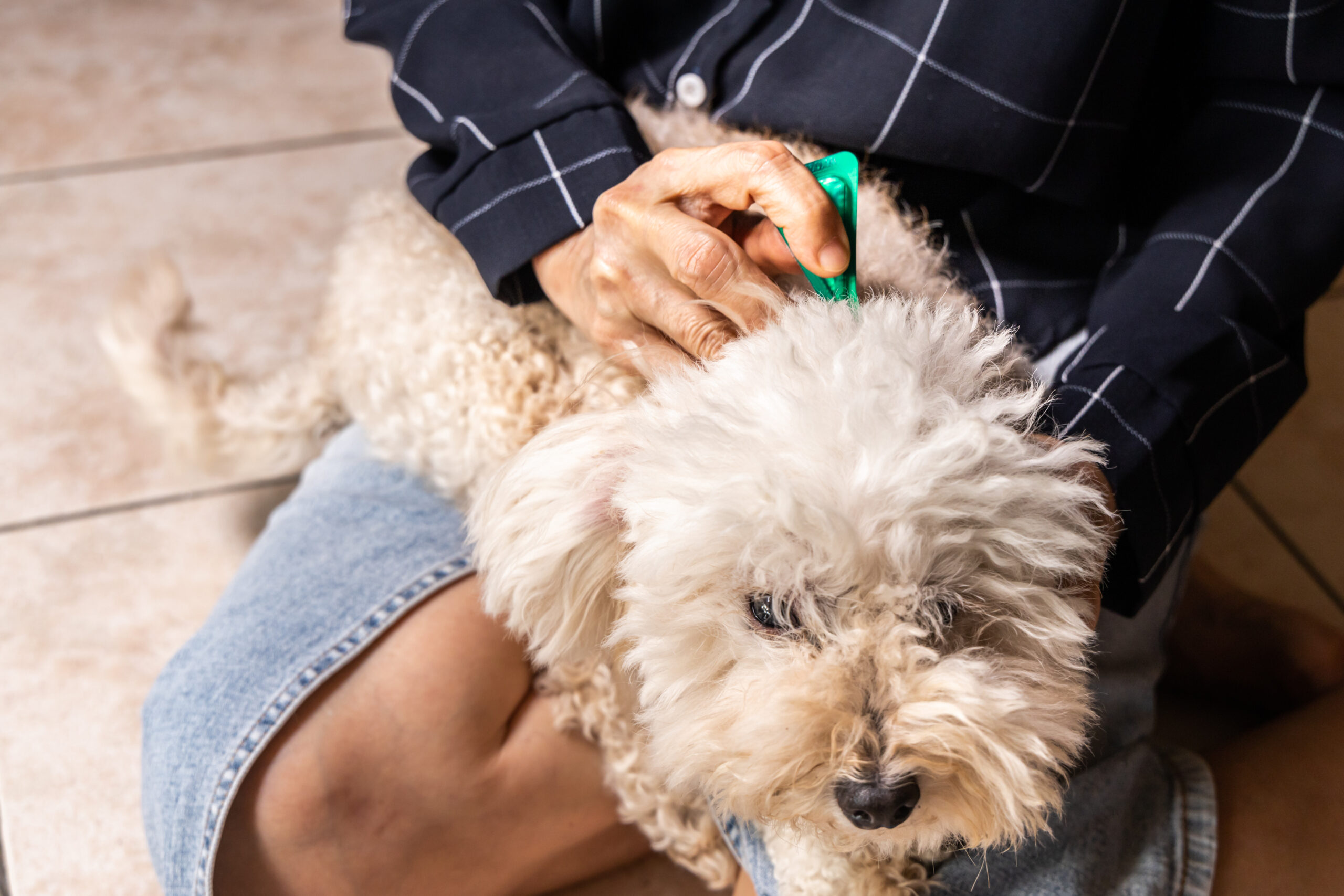

Recognizing Your Pet Is Hurt
No pet parent wants to feel that heart-stopping moment when they hear their cat or dog yelp in pain or notice a suspicious spot on their body. So many questions arise: What should I do? Is it serious? Should I rush to the emergency vet? Can I treat it at home?
The best next step is to visit or consult your veterinarian right away, but knowing what to do immediately on-site can give your pet the best chance for recovery. Watching your pet’s daily habits helps you pick up on subtle changes in movement, appetite, or energy that may signal a problem.
(Pro tip: Be prepared before an accident happens by keeping a Dr. Cuddles Heal at Home Emergency Kit handy and making a list of the closest emergency vet clinics.)
Cut and Puncture Wounds
Cuts and puncture wounds are among the most common pet injuries. First, check the size and depth. Anything larger than a quarter, deep punctures, or wounds that won’t stop bleeding require immediate veterinary care.
Minor cuts may be treated at home:
- Clean gently with Dr. Cuddles Heal at Home Wound Gel or pet-safe antiseptic wipes.
- Apply light pressure with clean gauze to stop bleeding.
- Cover with non-stick gauze secured with self-adhering bandages.
- Prevent licking by using an Elizabethan collar.
- Watch for swelling, heat, pus, or signs of discomfort.
If you’re unsure about the wound’s severity, contact your veterinarian.
Limping
Limping may be caused by sprains, fractures, or soft tissue injuries. Signs include:
- Visible deformity or bone exposure
- Whining or yelping
- Reluctance to bear weight
- Swelling around joints
- Excessive licking of the area
Mild limping without visible injury may improve with 24 hours of rest. Persistent limping or unnatural limb positioning should be evaluated by a veterinarian. X-rays may be needed to determine the exact cause.
Active breeds like Border Collies and Labrador Retrievers, as well as puppies and senior pets, may be more prone to injuries due to energy levels or fragile joints.
Never give human pain medications to pets.
Major Trauma
Car accidents, high falls, or other serious incidents require immediate veterinary care. While waiting for help:
- Approach your pet calmly to avoid worsening injuries.
- Use a carrier or makeshift stretcher for transport.
- Keep your pet warm and quiet.
Do not attempt to treat severe injuries at home.

Cat and Dog Bites
Dog Bites
Dog bites may cause deep tissue damage. Clean with warm water and mild antiseptic, then monitor for infection. Seek veterinary care if swelling or pus appears.
Cat Bites
Cat bites are small but highly infectious. Clean with warm, soapy water and apply antibacterial ointment. Veterinary care is strongly recommended due to the high risk of infection.
Keep your pet’s vaccinations current to protect from diseases such as rabies.
Poisoning
Pets can ingest toxic substances quickly. Immediate veterinary attention is critical.
Common symptoms include:
- Vomiting or diarrhea
- Drooling
- Loss of appetite
- Collapse
- Rapid breathing
- Nose bleeds
Never induce vomiting unless instructed by a professional. Use Dr. Cuddles ReadyRESCUE™ if available to help neutralize organic toxins. Prevent poisoning by safely storing cleaning products, medications, plants, and chemicals.
For helpful preventative products, explore the Dog Health & Wellness category.
Foreign Object Ingestion
Pets may swallow socks, toys, strings, and more. Watch for:
- Excessive drooling
- Vomiting
- Appetite changes
Avoid giving food or water until you’ve spoken to your veterinarian. Document what may have been swallowed to help guide treatment.
Store hazards like strings, bones, and children’s toys safely to prevent ingestion.
Eye Injuries From Scratches or Irritants
Excessive blinking, pawing at the eyes, or watery discharge are signs of eye irritation.
Immediate steps:
- Clean around the eye with sterile saline.
- Use Dr. Cuddles Heal at Home Eye Flush to soothe irritation.
- Prevent rubbing with a protective collar.
Seek veterinary care if you notice cloudiness, ongoing squinting, or thick discharge.
Heatstroke Due to Excessive Heat Exposure
Dogs and cats can quickly overheat even in mild temperatures.
Signs of Heatstroke
Dogs:
- Excessive panting
- Thick drooling
- Red or purple gums
- Vomiting
- Dizziness
Cats:
- Excessive grooming
- Open-mouthed panting
- Reduced urination
Move your pet to a cool space, use room-temperature water on the neck, armpits, and groin, and call your veterinarian immediately.
Explore additional supportive products in the Dog Flea & Tick and Dog Supplements categories.
FAQ: Navigating Pet Injuries Confidently
How can I tell if my pet needs immediate veterinary care?
Seek urgent care if your pet has difficulty breathing, uncontrolled bleeding, suspected broken bones, poisoning symptoms, or severe swelling.
What safe home remedies can I try for minor injuries?
Clean small cuts with warm water, apply pet-safe antiseptic, and use cold compresses for minor bruising. Monitor closely for changes.
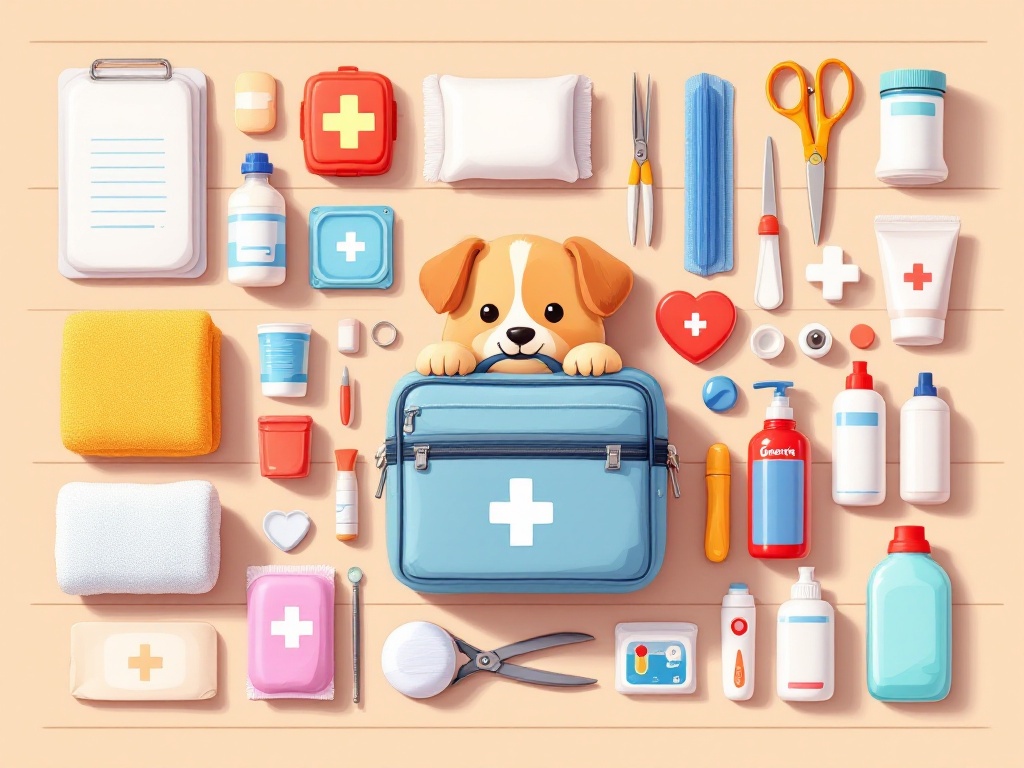
What should I include in my pet’s first aid kit?
Essentials include:
- Sterile gauze
- Pet-safe antiseptic wipes
- Towels
- Saline eye wash
- Styptic powder
- Digital thermometer
- Pet first aid guide
- Vet emergency contacts
How do I track injuries and identify complications?
Watch for eating habit changes, infection signs, lethargy, or fever. Take daily photos of the injury to monitor healing.
How can I prevent common injuries?
Secure cords, store toxic items, remove dangerous plants, check fencing, provide proper exercise, schedule wellness exams, and maintain a healthy diet.
Stay Attentive and Prepared
Immediate action can make a meaningful difference, but some injuries require professional help. Regular monitoring, a safe environment, and preventive care reduce risks, but accidents can still happen.
Your veterinarian remains the best resource when you’re unsure.
For added support, explore trusted products and safety essentials in the Dog Category at 1-800-PetMeds to help protect your pet’s health and well-being.