Key Takeaways
- Cooked eggs can be a healthy, occasional treat for most dogs when served plain and in moderation.
- Raw eggs and too many egg treats can cause stomach trouble, extra calories, or nutrient imbalances.
- Grinding eggshells into powder adds calcium safely, but always check with your vet before making eggs a regular snack.
Eggs often show up on breakfast tables and in treat recipes, but it is natural to wonder if they are a good idea for your dog’s bowl too. While eggs come packed with nutrients that can benefit dogs, serving them the wrong way might do more harm than good.
At PetHealthMD, we understand the importance of being confident about every treat you share with your pup. In this guide, we look at how eggs can fit into your dog’s diet, what risks to watch for, and safe ways to prepare them.
Are Eggs Safe for Dogs?
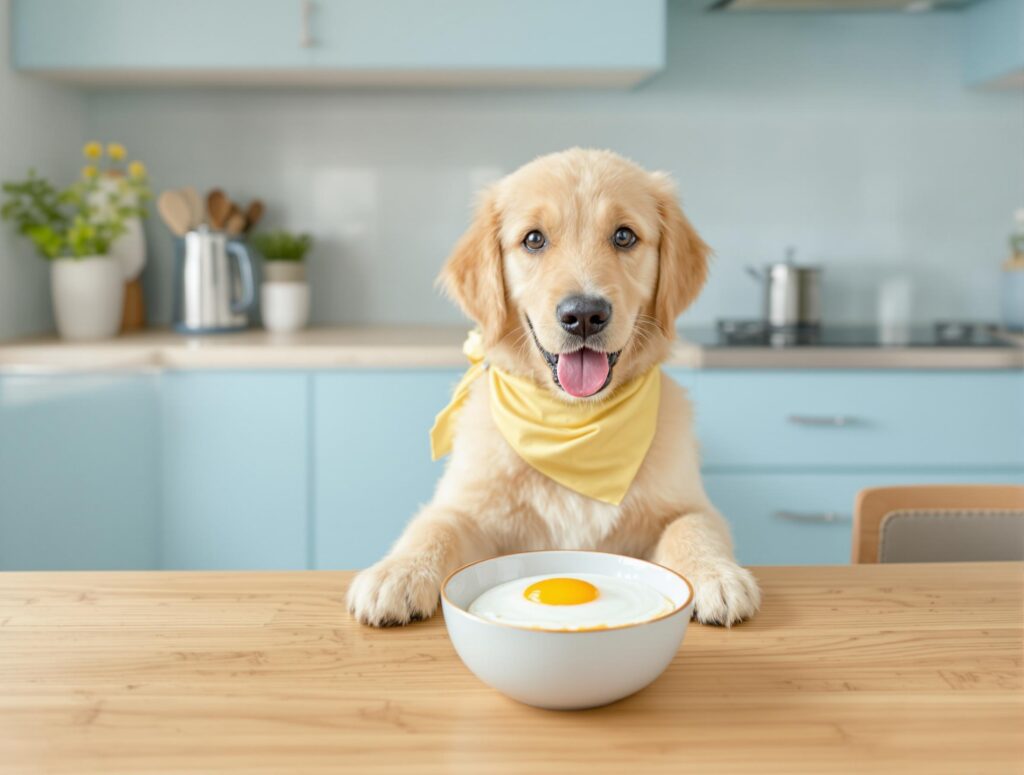
Many dogs can safely enjoy plain, fully cooked eggs as an occasional snack. Boiling or scrambling eggs without extra fat or spices keeps them healthy and easy to digest. Eggs offer good nutrition and can even soothe mild stomach upset for some pups.
Raw eggs, on the other hand, come with risks. Uncooked eggs can carry harmful bacteria like salmonella, and feeding raw egg whites too often might lead to a deficiency in biotin, an important B vitamin. It is safer to skip raw eggs altogether.
Egg allergies do occur in some dogs, though they are not common. If you notice your dog scratching more than usual, losing fur, or having tummy trouble after eating eggs, it is best to avoid them and check with your vet.
Nutritional Benefits of Eggs for Dogs
Adding a cooked egg to your dog’s bowl now and then can provide a wholesome nutrient boost. Eggs deliver a mix of proteins, vitamins, and minerals that benefit various parts of your dog’s body. Here is what makes eggs worth considering as a treat:
- Rich in protein: Helps keep muscles strong and healthy.
- Good source of fatty acids: Supports skin moisture and coat shine.
- Contains vitamins A and B12: Important for immune function and red blood cell health.
- Includes riboflavin and folate: Assists with converting food into usable energy.
- Provides iron and selenium: Beneficial for metabolism and cellular health.
Remember, eggs should be a treat, not a replacement for balanced dog food. For everyday nutrition and supplements, explore the Dog Health & Wellness category on PetMeds.
Risks of Feeding Eggs to Dogs
Even though eggs can be a nice boost to your dog’s diet, they do come with a few downsides worth remembering. Serving them the wrong way or too often can lead to issues you would rather avoid. Here is what to keep in mind before cracking one open for your pup:
- Bacterial contamination: Raw eggs can carry salmonella, which may upset your dog’s tummy.
- Biotin concerns: Too many raw egg whites can interfere with biotin.
- Extra calories: Eggs add calories and fat that can contribute to weight gain.
- Digestive upset: Some dogs may get loose stools if they eat too many.
- Allergies: Watch for scratching, skin flare-ups, or ear issues.
Keeping eggs cooked and given in moderation usually helps steer clear of these problems.
How to Serve Eggs to Dogs Safely
Serving eggs the right way makes all the difference for your dog’s health and comfort. A few simple tips can help you avoid stomach issues and keep this snack a safe treat:
- Cook eggs fully: Boiled or scrambled without butter, oil, or spices.
- Keep portions small: Start with a small amount.
- Skip raw eggs: They can carry bacteria.
- Watch for signs of trouble: itching or tummy upset.
- Check with your vet: Especially before serving eggs often.
If you are curious about eggshells, they can be a helpful source of calcium. Just be sure to grind them into a fine powder to avoid choking hazards.
Frequently Asked Questions
Can dogs eat eggshells?
Yes, dogs can benefit from the calcium in eggshells. Just grind them into a fine powder first to prevent choking or mouth injuries.
How many eggs can a dog have per week?
Most dogs do well with one or two eggs a week, depending on their size and diet. It is always best to check with your vet.
What signs of an egg allergy should I watch for?
Extra scratching, skin rashes, digestive trouble, or ear infections can all indicate an allergy.
Should I serve eggs in a special dog bowl?
A stainless steel or ceramic bowl is fine and easy to clean.
Can puppies eat eggs too?
Puppies can usually have small amounts of fully cooked egg as an occasional treat. Introduce eggs slowly.
Making Eggs a Safe Treat for Your Dog
When served safely, eggs can be a wholesome treat that supports your dog’s muscles, coat, and overall health. The key is to stick with plain, fully cooked eggs and introduce them slowly.
At PetHealthMD, we know how much you care about what goes into your dog’s bowl. To explore helpful supplements and health products, visit our Dog Health & Wellness selection.
If you are ever unsure about how eggs fit into your dog’s routine, your veterinarian can give personalized advice.