
When your pet has fleas, it can lead to itching, allergic reactions, and more serious conditions like anemia or tapeworms. If your pet sleeps in your bed or on your furniture, you might also end up with flea bites. So, how does flea medicine work to prevent this problem from getting out of control?
Luckily, there are many options for flea prevention and treatment. In this guide, learn about the different types of flea medicines, their effectiveness, possible side effects, and how to choose the right product for your pet and your lifestyle. You can also explore popular solutions in the Flea and Tick category on PetMeds.
Types of Flea Medicine: Finding What Works for Your Pet
There are several different flea prevention methods to choose from. Options are great, but figuring out the best flea medicine for dogs can be overwhelming when there is so much to choose from.
Many choices exist, from topical treatments for your pet’s skin to oral medications in flavored tablets and flea collars worn around the clock. You can also explore natural and holistic remedies. Let’s take a look at four different methods.
Topical Treatments
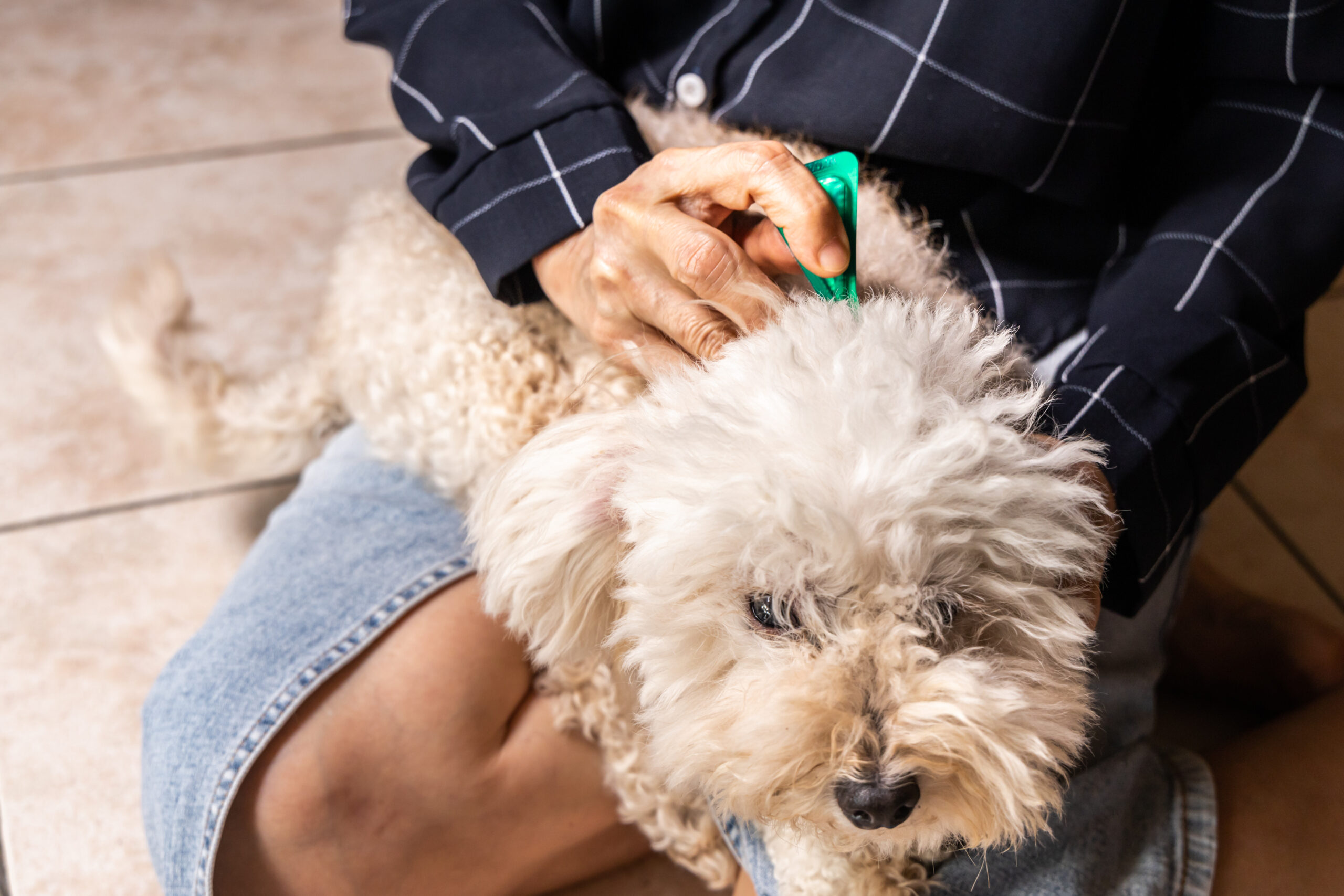
These are liquids that come in small squeeze packets. Common brands include Frontline Plus and Advantage II. The liquid is applied to your pet’s skin and offers 30 days of protection from fleas. Many topical treatments also protect against ticks and other pests.
Oral Medications
These flavored chewable tablets act like flea pills for dogs and cats. Veterinarians often recommend brands like NexGard, Bravecto, and Simparica. They work by circulating in your pet’s bloodstream, so when a flea bites, it ingests the medication and dies.
Flea Collars
Flea collars have been around for decades. They’re worn continuously and work by slowly releasing chemicals that repel or kill fleas. One well-known brand is the Seresto Flea Collar, which provides long-lasting protection.
Natural Remedies
Some pet owners prefer natural flea repellents like coconut oil, apple cider vinegar, or diatomaceous earth. Natural flea sprays and chews exist, such as Alzoo Plant-Based Flea and Tick Spray and PetHonest Flea Defense chews.
The Science Behind Flea Medicine
All flea medications have the same goal: getting rid of fleas. But they work in different ways.
How Topical Treatments Work
A product such as Frontline contains fipronil, which attacks the flea’s nervous system, and S-Methoprene, which prevents flea eggs and larvae from developing. After application, these ingredients are stored in your pet’s oil glands and continuously protect your pet’s coat for an entire month, even if they get wet.
How Oral Medications Work
Oral flea meds work from the inside out. NexGard contains afoxolaner, which enters your pet’s bloodstream. When fleas bite, they ingest the compound, which overexcites their nervous system and kills them. Simparica works similarly with the active ingredient sarolaner, killing fleas within three hours.
How Flea Collars Work
Flea collars like Seresto release active ingredients such as flumethrin and imidacloprid, which spread over your pet’s skin. These ingredients kill existing fleas within 24 hours and protect your pet for months.
How Natural Products Work
Natural products like Alzoo Flea and Tick Spray use plant-based ingredients such as peppermint oil and geraniol to repel fleas. These products aim to create an environment that fleas avoid.
How Effective Is Flea Medicine?
To help you choose the right flea prevention medicine for your pet, you will want to consider how quickly each option works and how long it lasts.
Flea Medicine Timeline
Here is a general overview of how long different treatments take to work:
- Oral medications like Simparica begin killing fleas within 3 to 4 hours.
- Topical treatments like Frontline kill fleas within 12 hours.
- Flea collars like Seresto kill existing fleas within 24 hours.
- Natural remedies vary in effectiveness and typically repel rather than kill.
Comparing Flea Medicine Methods
Topical vs Oral Medications
Oral medications work faster if your pet already has fleas, killing fleas within 2 to 4 hours. Topical treatments can take 12 to 24 hours to start working but often repel mosquitoes and other insects.
Collars vs Other Methods
Flea collars provide the longest protection, lasting up to eight months. However, some pets may experience skin irritation, and effectiveness can vary by brand.
Natural Remedies vs Prescription Medicine
Natural remedies can help alongside other methods, but they typically are not strong enough to eliminate a severe flea infestation. They are best used as part of a comprehensive approach to flea control.
Factors That Impact Effectiveness
To get the best results from your flea medicine, keep these things in mind:
- Follow the instructions carefully.
- Stay consistent with monthly treatments.
- Monitor water exposure, especially with certain collars.
- Remember to treat your home and pet bedding.
Potential Side Effects to Watch For
While flea medicine is generally safe, here are some possible reactions:
Topical Treatments
Some pets may have mild skin irritation where the product is applied.
Oral Medications
Some pets might experience an upset stomach. Rarely, neurological effects like tremors or seizures can occur.
Flea Collars
Skin irritation around the neck is the most common issue.
Natural Remedies
Essential oils may cause irritation if not diluted. Some oils are unsafe for cats, so be cautious in multi-pet households.
How to Properly Use Flea Medicine
Topical Treatments
Apply directly to the skin between your pet’s shoulder blades. Keep your pet dry for 24 to 48 hours after application.
Oral Medications
Give the correct dosage for your pet’s weight. Some medications are more effective when given with food.
Flea Collars
Fit the collar snugly but comfortably. Trim any excess length and monitor for irritation.
Alternatives to Traditional Flea Medicine
Keep Your Home Environment Clean
Vacuum carpets frequently, wash pet bedding weekly, and consider using household flea sprays.
Natural Option: Diatomaceous Earth
A fine powder that dehydrates fleas. Use food-grade diatomaceous earth and rinse your pet after 24 hours.
Integrated Pest Management
Brush your pet often, use a flea comb, wash bedding, and stay consistent with prevention.
Choosing the Best Flea Medicine
Choosing the right flea medicine for your pet means understanding how each option works. With this guide, you can find the best fit for your pet’s health needs and your lifestyle.
Explore trusted options in the Flea and Tick category on PetMeds.