Key Takeaways
- Recognizing early symptoms like increased thirst, changes in eating habits, and unusual fatigue can significantly impact the treatment outcome of kidney disease in dogs.
- Collaborating with veterinarians to monitor your dog’s kidney health through regular check-ups and diagnostic tests is crucial for early detection and effective management.
- Implementing preventive measures such as a balanced diet, maintaining proper hydration, and creating a safe environment can help protect your dog’s kidney health.
If your dog drinks more water than usual, has accidents in the house, or slows down on walks, it might be more than just a phase. These everyday changes can sometimes be early signs of kidney disease, and spotting them early can help you get your dog the care it needs.
Your dog’s kidneys play a vital role in keeping their body balanced. They filter waste, manage hydration, and help regulate essential systems. Kidney disease can come on suddenly (acute) or progress slowly over time (chronic).
PetHealthMD helps you understand what’s happening so you can make informed choices with your vet. With early intervention and consistent care, many dogs with kidney disease enjoy a good quality of life.
Understanding the Causes of Kidney Disease in Dogs
Chronic vs. Acute Kidney Issues
Your dog’s kidneys can face health challenges in two distinct ways. The first is chronic kidney disease (CKD), which develops slowly over months or years. The second is acute kidney injury (AKI), which can happen suddenly. Understanding these differences helps you stay alert to your pet’s health changes.
Age and Genetic Factors
As dogs grow older, their risk of developing kidney problems naturally increases. Dogs over 10 years old need extra attention to their kidney health. Some breeds, including Shetland Sheepdogs and Yorkshire Terriers, have a higher chance of experiencing kidney issues due to their genetic makeup. These inherited traits can influence how well the kidneys function throughout a dog’s life.
Environmental Influences
Your dog’s surroundings and daily routine play essential roles in kidney health. Common risks include exposure to certain plants, medications, and household chemicals. Pet owners should know that even seemingly harmless items like grapes, raisins, and some human medications can affect kidney function. Maintaining good dental health also protects your dog’s kidneys, as bacteria from dental disease can spread throughout the body.
Prevention Through Regular Care
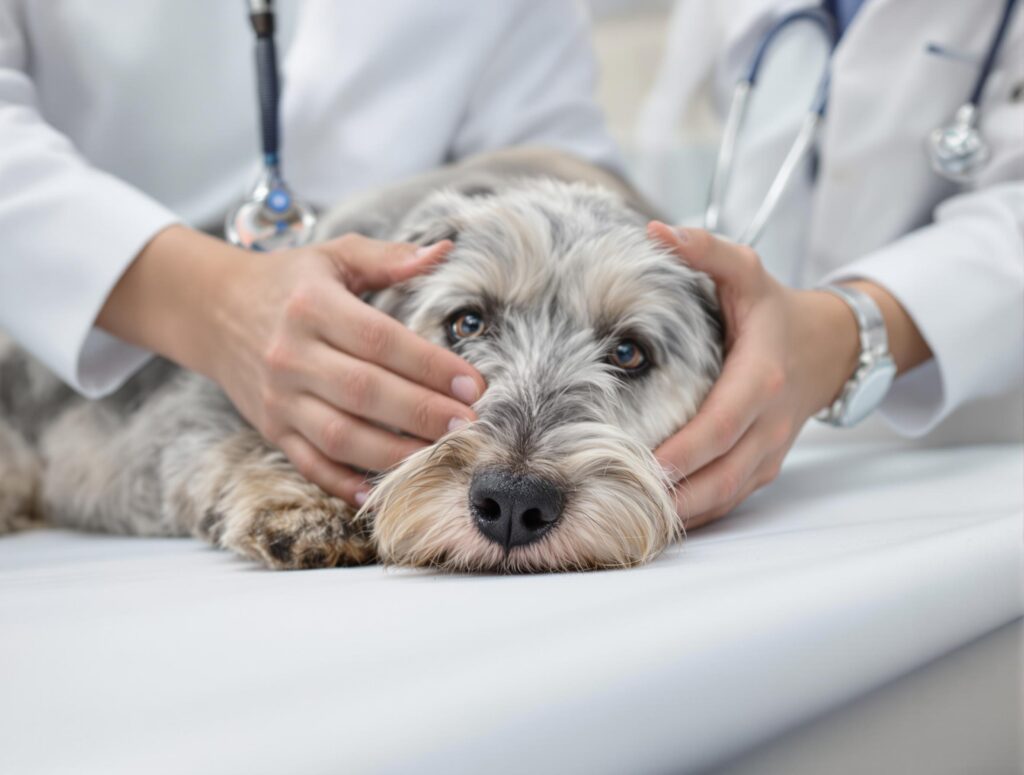
While you can’t change your dog’s age or genetics, you can take positive steps to protect their kidney health. Regular veterinary check-ups can catch early warning signs before they become serious concerns. Your veterinarian might recommend blood tests and urine analysis to keep watch over your dog’s kidney function. Working together with your vet, you can create a care plan that’s perfect for your furry family member.
Identifying Symptoms of Kidney Disease in Dogs
Your dog’s health matters, and spotting the early signs of kidney disease helps you protect your beloved companion’s well-being. Many dogs show subtle changes before developing more noticeable symptoms, so paying attention to your pet’s daily habits and behavior is essential.
- Increased thirst and frequent bathroom breaks. If your dog suddenly empties their water bowl more often or asks to go outside frequently, contact your vet for a wellness check.
- Changes in eating habits and weight. A diminishing appetite or unexplained weight loss can be early indicators.
- Unusual fatigue during regular activities. When your usually enthusiastic pup becomes tired during walks or playtime, schedule a check-up.
- New breath odor. A distinct ammonia-like smell needs immediate veterinary attention.
- Stomach upset and nausea. Vomiting or diarrhea, especially with other symptoms, requires prompt care.
- Pale or discolored gums. Pale gums may indicate reduced red blood cells.
- Decreased interest in favorite activities. Withdrawal or lack of enthusiasm may signal health concerns.
Keep a simple diary of any changes you notice in your dog’s habits. Share these observations during vet visits-early detection of kidney disease gives your dog the best chance for successful treatment.

Exploring Treatment Options for Dog Kidney Failure
Treatment for dog kidney failure combines several approaches to help your dog feel better and maintain their health. Working with your veterinarian, you’ll create a personalized care strategy.
Hydration Support
Keeping your dog hydrated is a cornerstone of kidney care. Your veterinarian may recommend fluid therapy, which involves giving your dog extra fluids under the skin. These treatments help your dog feel more energetic by supporting hydration and waste removal.
Medications and Supplements
Your veterinarian may prescribe phosphate binders, appetite stimulants, blood pressure medications, and supplements to support overall kidney function. Some dogs also benefit from additional vitamins or minerals.
Daily Care at Home
Daily care plays a significant role in maintaining comfort. Keep fresh water available in multiple locations and maintain a consistent feeding schedule. Track appetite, energy, and bathroom habits to help your veterinarian adjust treatment.
For supportive kidney care products, explore related categories such as Kidney & Urinary Health, Dog Supplements, and Prescription Dog Food on 1800petmeds.com.
Preventing Kidney Disease: Tips for Dog Owners
Regular Health Monitoring
Working with your veterinarian creates a strong foundation for preventing kidney problems. Schedule wellness visits every 6-12 months, with more frequent check-ups for senior dogs or vulnerable breeds. Blood work and potassium monitoring help detect early signs of kidney dysfunction.
Hydration and Diet Strategies
Your dog’s water intake plays a central role in kidney health. Provide 1 ounce of water per pound of body weight daily. Keep fresh water available at all times. Dogs that eat dry food may benefit from mixing in wet food or adding water to meals.
Creating a Safe Environment
Protecting your dog from kidney-harming substances requires careful attention. Keep toxic plants like lilies and azaleas out of reach. Choose low-sodium food options and store medications securely. Remember that grapes, raisins, and many human medications can harm the kidneys.
Frequently Asked Questions (FAQs) About Kidney Disease in Dogs
Can dehydration cause kidney problems in dogs?
Yes. Persistent dehydration can strain the kidneys and may contribute to acute kidney injury or worsen chronic kidney disease.
Is kidney disease in dogs contagious?
No, kidney disease is not contagious. It is typically caused by age, genetics, toxins, or underlying health conditions.
What’s the difference between kidney disease and kidney failure?
“Kidney disease” refers to any condition affecting kidney function. “Kidney failure” means the kidneys have lost most of their ability to work effectively.
How can dental health affect my dog’s kidneys?
Bacteria from untreated dental infections can enter the bloodstream and harm organs like the kidneys.
Should I limit exercise for a dog with kidney disease?
Moderate, low-stress activity is usually safe. Gentle exercise supports circulation and mental well-being.
Do vaccines or flea preventives impact kidney function?
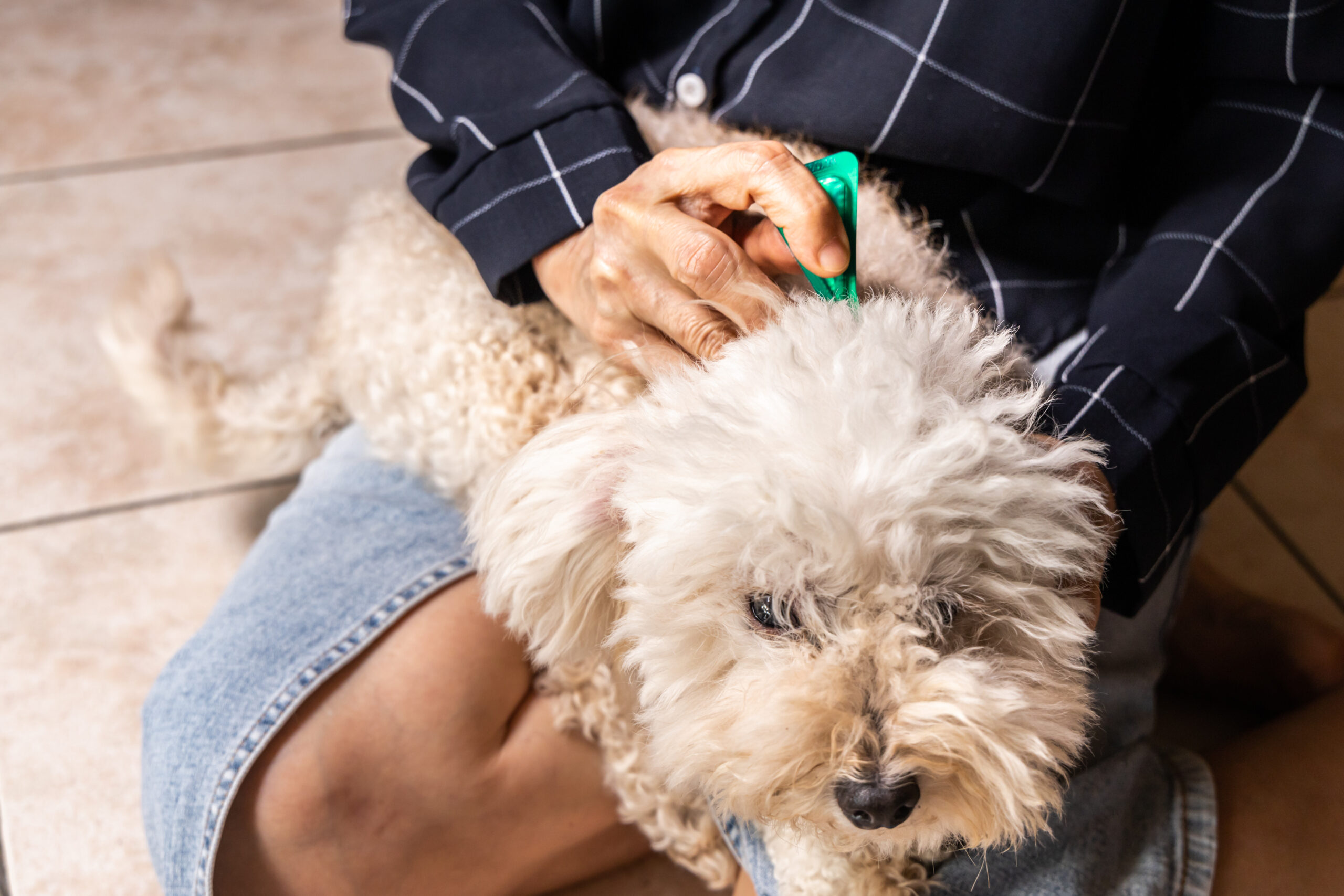
Most vaccines and flea preventives are safe for healthy dogs. Dogs with kidney disease may require special considerations based on their health and medications.
Support Your Dog’s Kidney Health
For ongoing support, explore the full range of kidney and urinary products available in the Kidney & Urinary Health category on 1800petmeds.com.