Key takeaways:
- Reverse sneezing is a harmless reflex in most dogs, often triggered by irritation in the throat or nose.
- Staying calm, gently supporting your dog, and tracking patterns can help you manage episodes more confidently.
- If reverse sneezing becomes frequent or includes other symptoms, a quick visit to the vet can help rule out anything more serious.
If your dog has ever made a loud, rapid snorting noise like they are trying to inhale a sneeze in reverse, you have likely witnessed reverse sneezing. It can look dramatic, and many dogs freeze up during an episode, making it even more alarming. But the good news is that it usually sounds much worse than it is.
At PetHealthMD, we help pet owners make sense of moments like these so they can feel more confident and less anxious. This guide explains what reverse sneezing is, why it happens, and how to tell when it is just a quirky reflex or something worth checking out.
What Is Reverse Sneezing?
Reverse sneezing is a strange but harmless dog behavior that can be surprising the first time you see it. Instead of pushing air out like a normal sneeze, your dog rapidly pulls air in through their nose, creating a honking or snorting sound. Dogs may freeze, extend their neck, and appear distressed, but episodes usually last less than a minute.
This reaction occurs because of a brief spasm or irritation in the throat or soft palate. It is not painful or dangerous in most cases. Many dogs even reverse sneeze after waking up or during moments of excitement.
Reverse sneezing does not leave any lasting effects, and most dogs resume their normal activities immediately. Once you recognize it, it becomes easier to stay calm.
Common Causes of Reverse Sneezing
Reverse sneezing often has simple, harmless triggers. Common causes include:
- Environmental irritants: Dust, pollen, perfume, cleaning products, or smoke.
- Leash pulling or excitement: Pressure from a collar or bursts of enthusiasm.
- Mild allergies or post-nasal drip: Irritation caused by seasonal allergies.
- Nasal mites or respiratory irritation: Less common but possible.
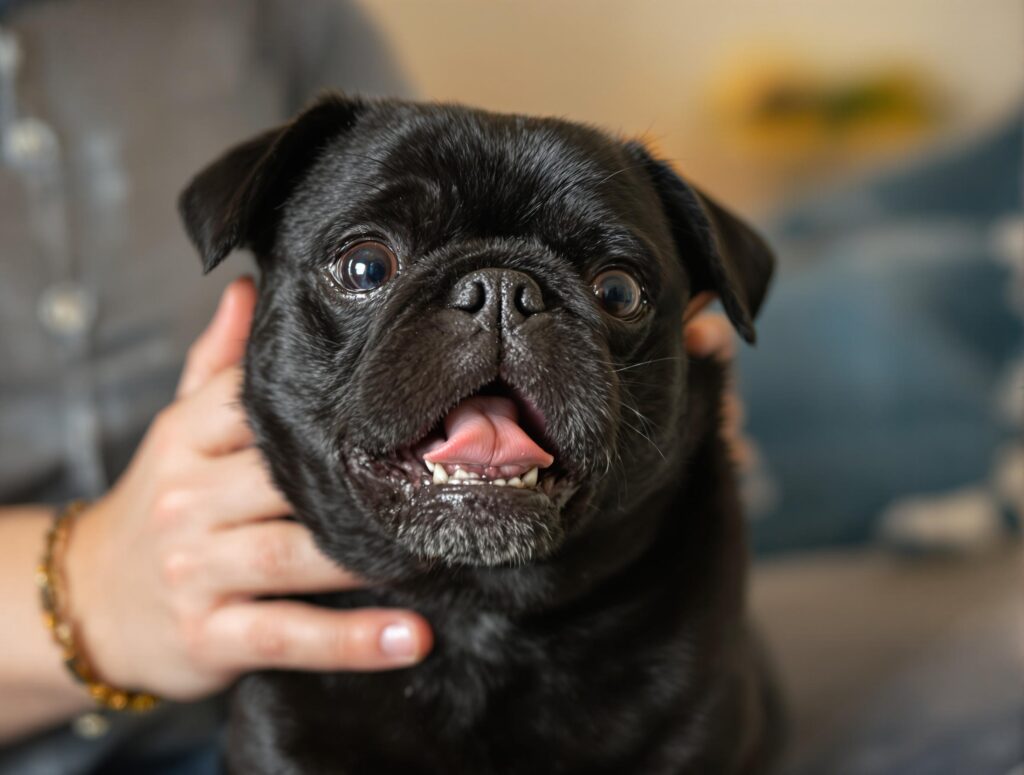
- Breed anatomy: Small and flat-faced breeds, such as Pugs and French Bulldogs, are more prone.
Understanding patterns, such as episodes occurring after certain scents or activities, can help identify triggers.
Effective Ways to Support Your Dog During Reverse Sneezing
Helping your dog feel secure during an episode can make a big difference:
- Stay calm and speak gently: Dogs sense your stress.
- Gently massage their throat: May relax muscles and encourage swallowing.
- Avoid overreacting: Most episodes stop quickly on their own.
- Track patterns: Noting triggers can help reduce episodes.
If your dog has allergies, your veterinarian may recommend treatments commonly found in our Dog Allergy Relief category.
When Reverse Sneezing May Signal Something Serious
Most episodes are harmless, but certain signs may warrant a vet visit.
Respiratory Signs
- Episodes longer than 30 seconds or occurring more than twice a day
- Wheezing or persistent coughing
- Nasal discharge or traces of blood
Physical Changes
- Pawing at the nose or face
- Frequent throat clearing
- Signs of breathing discomfort
Behavioral Changes
- Reluctance to exercise
- Episodes waking your dog from sleep
- Decreased appetite or water intake
Smaller dogs under 33 pounds and flat-faced breeds are especially prone to respiratory issues. A veterinarian may perform a simple physical exam or airway inspection to rule out concerns. Supportive products such as those in our Dog Respiratory and Breathing Support category may be recommended based on your dog’s needs.
Frequently Asked Questions
Understanding reverse sneezing can help you respond with confidence.
Are some dogs more prone to reverse sneezing?
Yes. Small dogs and brachycephalic breeds like Pugs, Shih Tzus, and Bulldogs experience it more often due to their airway anatomy.
Is reverse sneezing dangerous for dogs?
In most cases, no. It is a harmless reflex that clears irritation in the throat or nasal passages.
How do I know it is reverse sneezing and not choking?
Reverse sneezing involves rhythmic snorting, stiffness, and rapid inhaling. Choking involves distress, pawing at the mouth, and difficulty breathing. When in doubt, contact your veterinarian.
Can I stop a reverse sneezing episode while it is happening?
You usually do not need to. But gentle throat massages, briefly covering the nostrils to encourage swallowing, or calm reassurance may help.
When should I be concerned?
If episodes become frequent, prolonged, or are accompanied by coughing, nasal discharge, or fatigue.
Can I prevent reverse sneezing?
Avoid irritants like smoke or strong perfumes, use a harness instead of a collar, and keep your home dust-free. If allergies play a role, your veterinarian may suggest appropriate products from our Dog Allergy Relief selection.
Being Prepared Makes All the Difference
Reverse sneezing can sound dramatic, but understanding it helps you stay calm. Most episodes are brief and harmless. Recognizing your dog’s normal patterns gives you confidence in responding to future episodes.
At PetHealthMD, we are here to support you through unexpected moments in pet care. Whether it is a new sound or behavior, we aim to provide clear guidance that helps you feel prepared. For ongoing wellness support, explore resources in our Dog Health category to keep your dog feeling their best.