Key takeaways:
- A distinctive ‘goose-honk’ cough is a key symptom of collapsed trachea in dogs, especially common in small breeds.
- Weight management, proper walking equipment, and a clean environment are crucial for managing your dog’s tracheal health.
- Collaborate with your veterinarian to explore treatment options and create a tailored care plan for your dog’s comfort and health.
When your beloved dog starts making unusual breathing sounds, it’s natural to feel worried and confused. That distinctive “goose-honk” cough, especially common in small breeds, could signal a collapsed trachea. Many dog parents first notice these symptoms during activities or moments of excitement. If your pet already experiences breathing challenges like sleep apnea, they might face a higher risk of developing this condition.
Learning what dog parents should know about collapsed trachea in dogs can make the condition feel more manageable. With the right approach, many dogs enjoy an active and comfortable life. PetHealthMD offers helpful guidance you can use alongside your vet’s recommendations to understand treatment choices and daily care strategies better.
What Is Collapsed Trachea in Dogs?
A collapsed trachea happens when the firm rings that help hold your dog’s windpipe open start losing shape. Instead of staying open like a sturdy tube, the trachea flattens, making it harder for air to pass through.
This condition is often seen in small and toy breeds, especially as they age. Dogs with a collapsed trachea may not show signs at first, but over time, it can lead to coughing, wheezing, or labored breathing, especially during activity or excitement.
Collapsed trachea isn’t contagious, and it doesn’t happen because of anything you’ve done. Many dogs live well with it once the signs are recognized and managed through daily care and support from your veterinarian.
Identifying Symptoms of Collapsed Trachea in Dogs
The most noticeable sign of a collapsed trachea is a dry, honking cough that sounds much like a goose honk. This cough often worsens when your dog is excited, active, or pulling on the leash. Small breeds like Yorkshire Terriers and Toy Poodles are more likely to have this kind of breathing issue, especially as they reach middle age.
Your dog’s regular activities can affect how easily they breathe. You might notice they get tired faster than usual during walks or playtime, or start gagging or wheezing. Warm, humid weather can also make breathing harder for dogs with this condition.
Watch for signs that need quick veterinary attention:
- Bluish gums or tongue
- Trouble breathing
- Fainting or collapsing
- Struggling to exercise or play like they used to
If you notice changes in your dog’s breathing or behavior, it could mean their condition needs a closer look. Catching these signs early helps your veterinarian give your dog the right support and care.
Understanding the Causes and Risk Factors
Several causes and risk factors may contribute to a collapsed trachea:
- Genetics – Some small breeds are born with weaker tracheal cartilage
- Age – The condition often appears in middle-aged to older dogs
- Weight – Extra weight puts more pressure on the airway
- Neck strain – Pulling on collars can worsen tracheal collapse
- Air quality – Exposure to smoke, dust, or strong chemicals may irritate the airway
- Other health conditions – Issues like heart disease or chronic bronchitis may increase breathing difficulties
The good news is that many of these risks can be managed. Keeping your dog at a healthy weight with the right diet and regular activity helps relieve pressure on its airways. Explore supportive products in the respiratory and asthma category, supplements category, or dog health products to help support ongoing care.
What to Do After a Collapsed Trachea Diagnosis
When your dog is diagnosed with a collapsed trachea, you want to help them breathe more easily and stay comfortable. By working closely with your veterinarian, you can explore different ways to manage the condition—starting with small changes at home and adding medical treatments if needed.
Create a Gentle Home Environment
Keep your space free of smoke and strong smells. An air purifier and steady indoor temperatures can help your dog breathe comfortably.
Use the Right Walking Gear
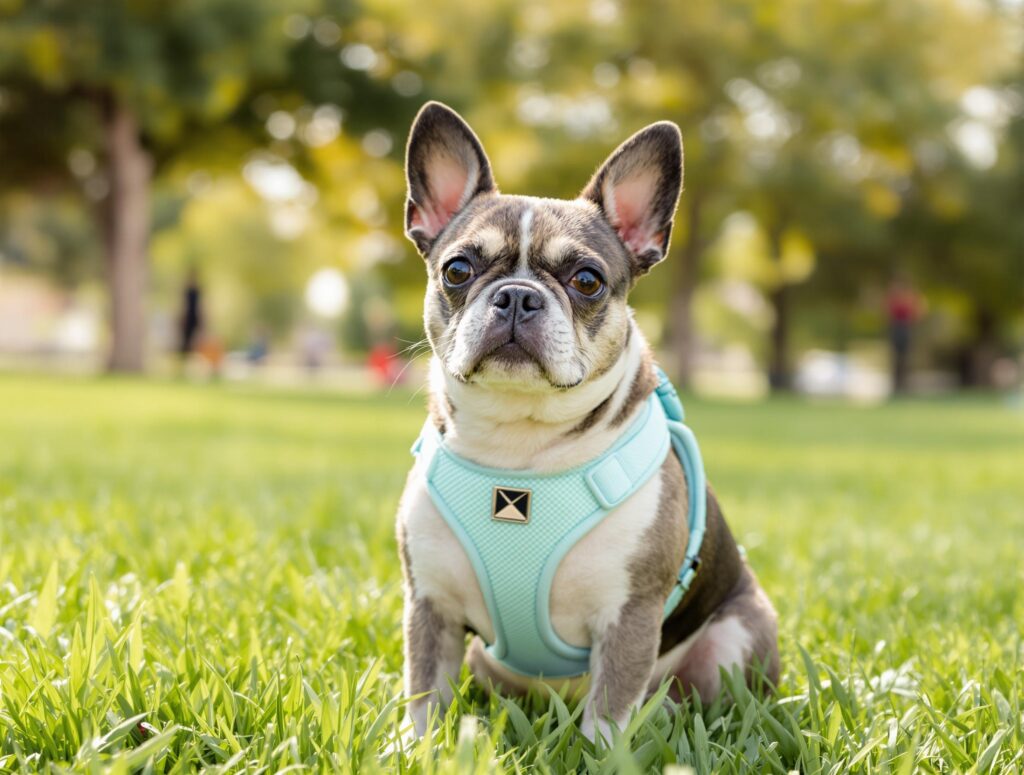
Switch from a collar to a padded harness that fits around your dog’s chest instead of the neck. Plan shorter, calm walks during the cooler times of day.
Support a Healthy Weight
Feed proper portions and keep up with gentle exercise. Extra weight can make breathing harder, so maintaining a healthy weight can help your dog feel better.
Stick to Medication Plans
Give any prescribed medications as directed. These may include cough suppressants or anti-inflammatory drugs. Track how your dog responds so your vet can adjust treatment if needed.
Keep Up With Vet Visits
Schedule check-ups every few months. Your veterinarian can monitor your dog’s progress and change the care plan as needed.
Be Prepared for Urgent Signs
Call your vet immediately if your dog has severe trouble breathing, has blue gums or tongue, or collapses. Keep your emergency clinic’s number visible.
If your dog doesn’t get enough relief from these steps, your veterinarian may recommend surgery to help support the trachea.
Everyday Care Tips to Support Your Dog’s Breathing
Small changes in your daily routine can support your dog’s breathing comfort. Here are a few ways to help:
Choose Mild Weather for Walks
Plan outings during cooler parts of the day. Gentle walks help your dog stay active without straining breathing.
Keep Playtime Calm and Relaxed
Avoid games that cause heavy panting. Stick to shorter, low-energy activities.
Limit Excitement During Greetings
Some dogs with tracheal sensitivity cough when they get too excited. To help your dog stay relaxed, try calm routines when arriving home or having guests over.
Create Quiet Spaces for Rest
A quiet spot away from noise or high-traffic areas helps your dog breathe easier and recover after activity.
These everyday habits, along with guidance from your veterinarian, help support your dog’s long-term comfort.
Frequently Asked Questions About Collapsed Trachea
Can my dog still go on walks with a collapsed trachea?
Yes. Light walks are often encouraged, especially if your dog enjoys gentle activity. Use a harness instead of a collar, choose cooler times of day, and avoid steep hills or long outings.
Will my dog’s condition get worse over time?
Collapsed trachea is considered a progressive condition, but how quickly it changes varies. Staying on top of care and avoiding airway irritants can help slow progression.
Can collapsed trachea be confused with other health problems?
Yes. Coughing, wheezing, or trouble breathing can also be signs of heart disease, bronchitis, or allergies. A veterinarian’s evaluation ensures the correct diagnosis.
Is a collapsed trachea painful for dogs?
Collapsed trachea does not usually cause pain, but it can make breathing uncomfortable. Medications and calm routines help ease this discomfort.
Moving Forward With Your Dog’s Care
Living with a collapsed trachea doesn’t mean your dog can’t enjoy life. With extra attention to their comfort, calm routines, and regular check-ins with your veterinarian, you can help them breathe easier.
To simplify ongoing care, PetMeds offers a wide selection of vet-recommended medications, supplements, and supplies you can use alongside your dog’s care plan—all delivered right to your door.