
How to Kill Fleas on Your Puppy

For puppies under 4 weeks old Do not use flea preventatives Bathe your puppy in warm water Manually remove fleas with tweezers or a flea comb For puppies over 4 weeks old Use a shampoo, dip, or spray to immediately kill fleas. After bathing your puppy, you should wait at least 24 […]
Fly Control for Your Dog
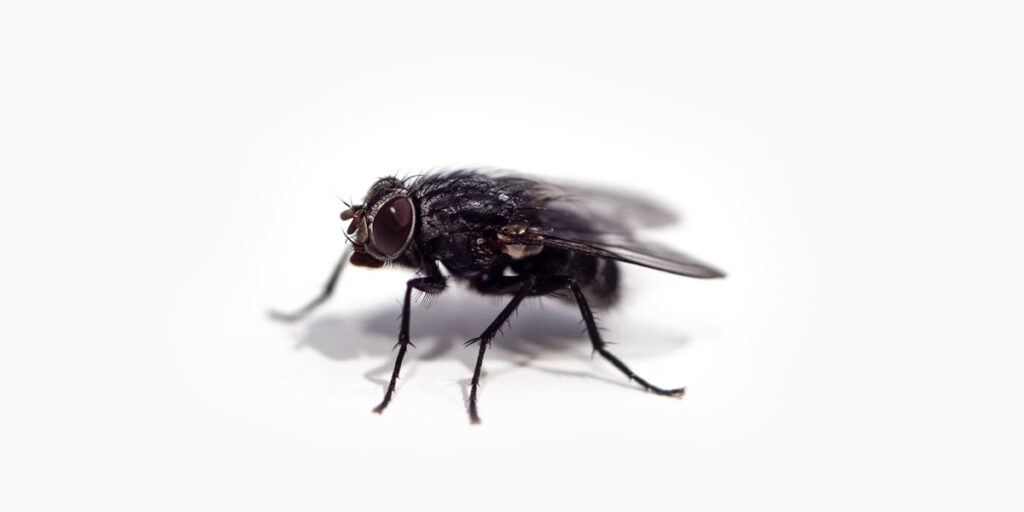
Flies and mosquitoes belong to the same insect order known as Diptera. The house fly and other types of flies can be nuisances similar to mosquitoes. However, flies also spread disease to humans and your dog. Fly strike is a disease seen in outside dogs (or those residing near livestock farms) in the warmer summer […]
How to Help Your Dog’s Joint Health

Give joint supplements Glucosamine and chondroitin may stimulate and maintain your pet’s joint cartilage, while also working to promote relief from joint stress. Establish a weight loss plan Implementing an exercise regimen and well-balanced diet can help your pet lose unnecessary pounds, allowing for easier mobility and improved joint health. Choosing a pet food formulated […]
Generic Dog Medication FAQs
Generic products often get a bad rap. They are seen as inferior, or somehow less valuable and reliable than their name-brand counterparts. Some people think that lower cost means lower quality. As consumers, we are tuned to trust big brands. Nike and Adidas dominate sportswear, for example. Or look no further than headphones. Are the […]
Establish Effective Dog Flea Prevention

Treat all pets in your home Fleas will undoubtedly attack all pets in the house, so you must treat all your pets to increase the effectiveness of the medication. Apply preventative to healthy skin Adding a fatty acid supplement with Omega 3 helps improve your pet’s skin health by restoring its softness and flexibility. Healthy […]
Control Your Dog’s Itching and Allergies from Fleas

The #1 cause of itching is fleas. If your pet has excessive itching, it could be the result of an allergy to flea saliva or flea allergy dermatitis. Even if you do not see fleas on your pet, it only takes one flea bite to cause an allergic reaction. To help relieve your pet’s suffering, […]
Finding a Lump or Wart on Your Dog
Lumps and bumps are commonly found in pets, especially in middle age and older pets. Many times animal guardians find these “excrescences” while petting or grooming their pets. Lumps can take many forms from raised, ulcerative, and/or bleeding lumps, innocent skin tags, or painless moveable nodules below the skin. Growths may appear on any area […]
Why Has My Dog’s Flea Medicine Stopped Working?
There are times when pet owners may feel their pet’s flea medicines are no longer working as effectively as they used to. So, what do you do? Below is a list of several options to help control fleas on your pet and in your home, even if your pet is already on a monthly flea […]
How to Use Flea Prevention Effectively
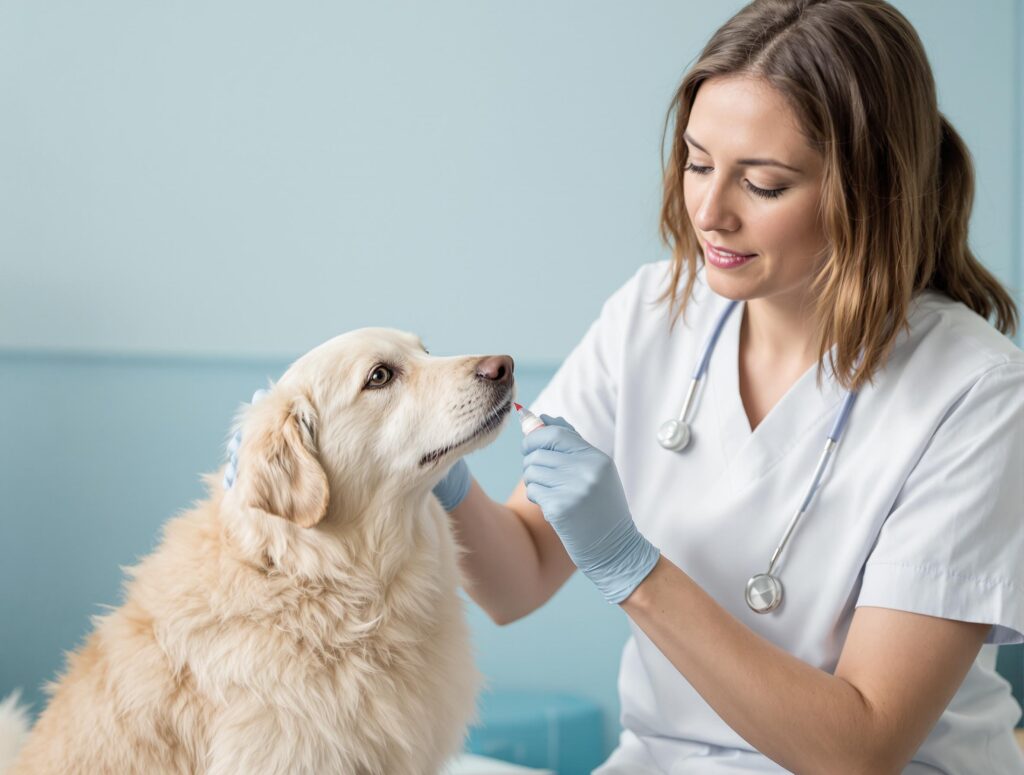
How to administer oral flea medications Always read the label of your pet’s flea medication before administering. Oral flea medications like Comfortis, NexGard and Trifexis should be given with a meal or directly after eating. How to apply topical flea preventatives Always read the label of your pet’s flea medication before applying. Topical flea preventatives […]
Remedies for Ear Mites in Dogs

Ear mites are bothersome parasites that live on and under your pet’s skin, causing persistent itching, skin inflammation, and dark-colored discharge in the ears. If your pet has ear mites, follow the steps below to help kill the ear mites and prevent future infestations. Before applying any ear mite medication, you should thoroughly clean your […]
Eye Emergencies in Dogs
Caring for your dog or cat with an eye injury or emergency Sudden changes in your pet’s eyes are a medical emergency. Emergencies include the following: Corneal ulcers Pupils of different sizes Blindness Lacerations Eyeball prolapse Excessive tears Retinal hemorrhage On the way to your veterinary clinic for any pet eye emergency, you should: Keep […]
Should I Give Fish Oil to My Dog?
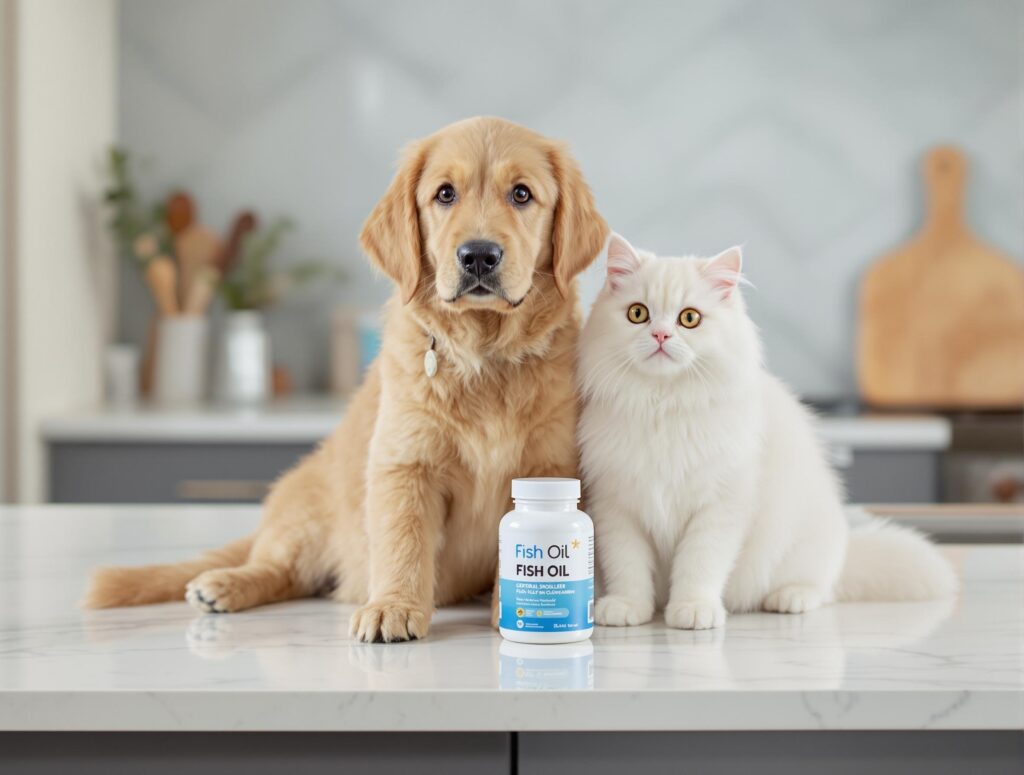
Both Omega 3 fatty acids and Omega 6 fatty acids are essential for pet health. Pets with allergic (flea allergy dermatitis), auto-immune (pemphigus, rheumatoid arthritis), or inflammatory (arthritis, glomerulonephritis) conditions need more Omega 3 fatty acids. Pets that have chronic illness (FIV, FIP, cancer) need more Omega 6 fatty acids. Omega 3 fatty acids and […]
Fear of Thunderstorms in Dogs

Thunderstorm phobia in pets Although it is commonly termed as a “thunderstorm phobia,” pets may develop a fear for thunder, lightning, and other weather conditions, such as rain, sleet, strong wind, changes in illumination (from lightning flashes), and even snow. Some dogs may begin to show behavioral signs of storm phobia well before a storm […]
Feeding Your Adult Dog
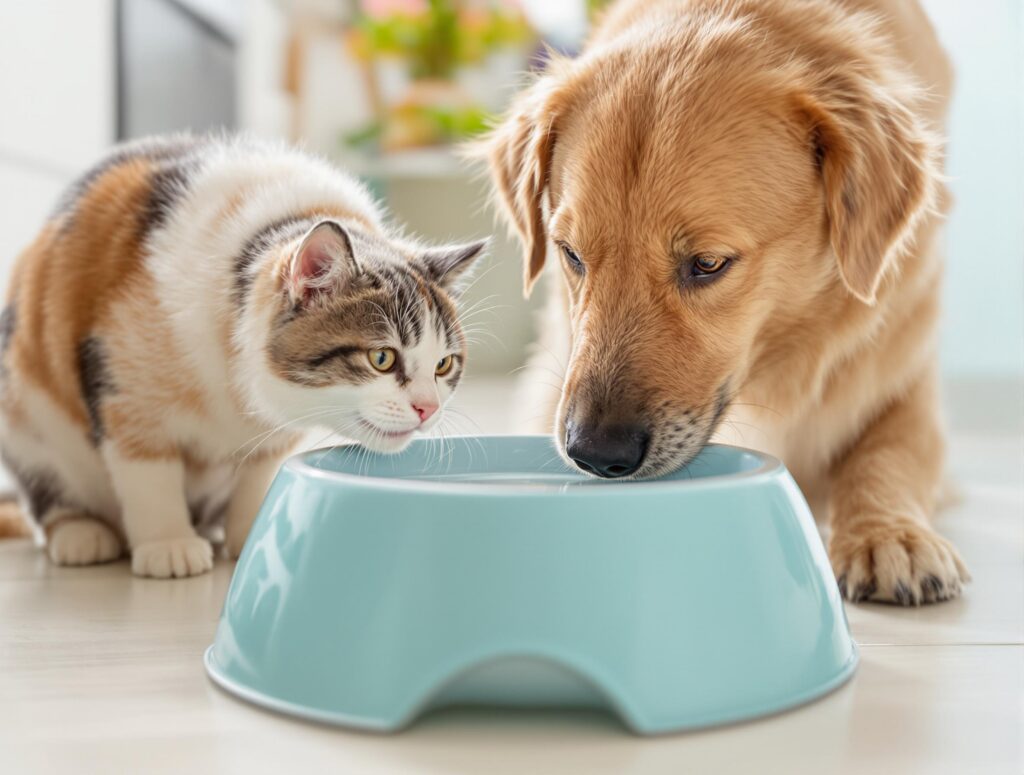
Most adult pets do better with two feedings a day. With only one meal a day, the stomach distends maximally, which makes it easier for the stomach to twist and bloat. Bloat is fatal in one out of three dogs that develops it. Feeding twice a day decreases the tendency to bloat.Feeding twice a day […]
Tips for Feeding Sick Dogs

How to feed a sick pet If you don’t know what is wrong with your pet, but you know he or she isn’t feeling well, visit your veterinarian for advice. In the meantime, here are some principles for feeding that gently stimulate digestion in a sick pet: Feed small amounts frequently rather than a large […]