KeKey Takeaways
Cat drooling can be natural during moments of happiness or stress, but if it is persistent or accompanied by other symptoms, it may indicate health issues.
Dental issues commonly cause excessive drooling in cats, highlighting the need for regular vet check-ups and oral care.
Understanding your cat’s drooling pattern and seeking veterinary guidance when changes occur ensures your pet’s well-being and comfort.
While a little bit of drool can be normal, especially when your cat is feeling relaxed, if you’ve noticed a significant change, it’s worth taking a closer look.
PetHealthMD can help you understand what’s behind your cat’s drooling so you can decide the next steps with your vet. Dental issues like gum inflammation or tooth pain are common culprits, especially if there’s also bad breath or hesitation to eat. But drooling can also appear when your cat is stressed, nauseated, or has feline stomatitis.
Knowing what’s typical for your cat and exploring supportive products like those in our cat calming aids category can make it easier to get the proper care early on. and spotting when something’s off can make it easier to get the proper care early on.
Why Is My Cat Drooling
Noticing your cat drooling can catch you off guard, especially if it’s not something they usually do. Understanding the difference between harmless drooling and signs of a potential health issue helps you make confident, informed choices about their care.
When Drooling Is Normal
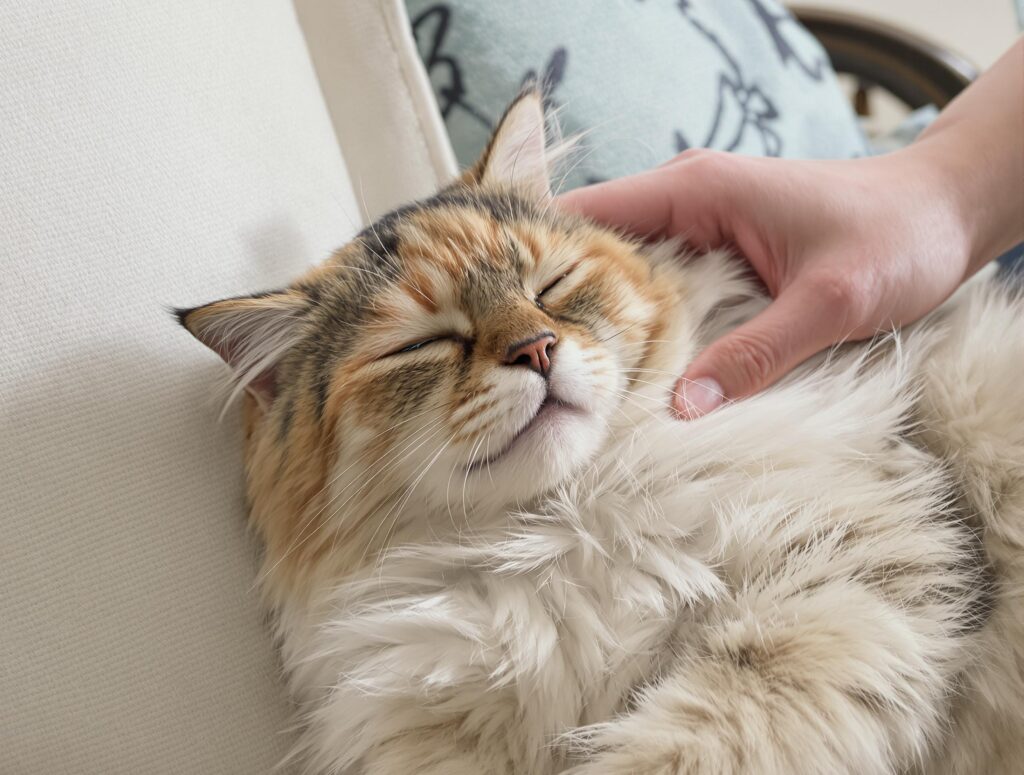
Some cats drool when they’re deeply relaxed or happy. If your cat starts to drool while purring, kneading, or enjoying a good petting session, it’s likely a sign of contentment, especially if it’s something they’ve done consistently over time. This kind of drooling is often traced back to nursing behavior from kittenhood.
Mild, short-term drooling can also occur when your cat feels nervous or overstimulated. You can also browse our cat health supplements category to support overall wellness. Motion sickness, vet visits, and new environments may bring temporary drooling and signs like flattened ears or vocalizing more than usual. when your cat feels nervous or overstimulated. Motion sickness, vet visits, and new environments may bring temporary drooling and signs like flattened ears or vocalizing more than usual. Creating calm spaces and sticking to routines can help reduce stress-related drooling.
When Drooling Deserves a Closer Look
Persistent or excessive drooling, especially when it’s new or accompanied by other symptoms, may signal a medical issue. Here are some common causes that may need a vet’s attention:
- Dental problems: Gum inflammation (gingivitis), tooth decay, or oral infections can cause pain and increased salivation. Look for signs like bad breath, difficulty eating, or pawing at the mouth.
- Foreign objects: Pieces of string, grass, or toy fragments stuck in your cat’s mouth can irritate the gums and trigger drooling.
- Toxin exposure: Exposure to toxic plants, medications, or cleaning products can cause sudden drooling.
- Digestive or systemic illness: Nausea, liver conditions, or gastrointestinal issues may cause drooling along with appetite changes or vomiting.
- Neurological issues: Trouble swallowing, balance problems, or behavioral changes may point to a neurological condition.
When to Call Your Vet
If drooling is frequent, lasts a while, or appears with signs like appetite loss or unusual behavior, schedule a veterinary check-up. Your vet can identify the cause and recommend the proper treatment.
How to Stop a Cat From Drooling
Take control of your cat’s drooling with these proven solutions that keep your feline friend comfortable and healthy.
Preventative Care
- Schedule regular dental check-ups to catch oral health issues early. Routine exams can identify dental problems like gingivitis or tooth decay before they worsen. Browse our cat dental care category for helpful at-home options.
- Brush your cat’s teeth daily using pet-safe toothpaste. Consistent home dental care helps prevent oral disease.
- Maintain consistent routines and provide cozy hiding spots to minimize stress.
Immediate Solutions
- Place food and water bowls comfortably to reduce drooling during meals.
- Use calming aids in areas where your cat experiences anxiety.
- Keep a daily log of drooling episodes to identify patterns and triggers.
Safety Measures
- Store household cleaners and medications securely to prevent toxin exposure.
- Replace toxic houseplants with cat-safe options like catnip or cat grass.
- Inspect toys regularly for damage that could injure your cat’s mouth.
Frequently Asked Questions About Cat Drooling
Can certain cat breeds be more prone to drooling?
Some cats with flatter faces, like Persians or Himalayans, may be more prone due to facial structure.
Does teething cause drooling in kittens?
Yes, kittens often drool more while teething between 3 and 6 months.
Is drooling ever a sign of an allergic reaction?
In rare cases, drooling can accompany allergic reactions and may include swelling or vomiting.
Can dental treats help reduce drooling?
Dental treats can support oral health by reducing plaque buildup.
What should I do if my cat drools after medication?
Some medications taste bitter and may cause drooling. If it’s severe or persistent, contact your vet.
What treatment options might my vet suggest?
Treatments may include dental cleanings, pain relief, or care for underlying health issues.
Know When It’s More Than Just a Little Drool
A bit of drooling can be normal for some cats, but if you notice changes—or additional signs like bad breath or discomfort—it’s worth checking in with your vet.
PetMeds offers a wide selection of vet-recommended dental care products, calming aids, and health essentials.Visit our cat category to find everything you need to help your cat feel their best.