
As dog lovers, many of us have dreamed of bringing home a furry friend. But turning that dream into reality takes preparation and knowledge. This guide helps you confidently step into pet parenthood so you can make the best decision for both you and your new companion.
Looking to read up more on caring for your pets or the different illnesses or infections that can affect them? PetHealthMD covers this and more. Check out our detailed guides on dog health and dog care.
Laying the Groundwork for a Successful Adoption
Adopting a pet is incredibly rewarding, but it also requires thoughtful planning to ensure a smooth transition. From evaluating your lifestyle to preparing your home, each phase plays a role in creating a strong bond with your new dog.
To make things easier, we’ve organized the adoption process into eight simple steps.
1. Assessing Lifestyle Compatibility
Before adopting, ask yourself: Do I have the time, energy, and resources to care for a dog every day? Dogs require daily walks, playtime, training, and regular vet visits.
Consider your budget as well, from food and grooming to emergency care. Planning ahead can help prevent financial strain.
You should also consider allergies. Many people discover pet allergies only after bringing a dog home. If youre unsure, an allergy test can prevent future complications.
2. Exploring Breed Traits and Energy Levels
Choosing a dog that matches your lifestyle helps ensure a long, happy companionship.
Activity level and energy needs: Some dogs need vigorous exercise like hiking or agility work, while others are content with relaxed strolls.
Temperament: Some dogs are social and expressive. Others are independent and quiet.
Trainability: Certain breeds require mental stimulation and structured training.
Location and space: Large or high-energy breeds often need more room and outdoor access.
Socialization needs: Early exposure to people and animals helps prevent future behavioral issues.
Grooming needs: Long-haired breeds require more maintenance.
These considerations can help you choose a dog that fits your home and lifestyle.
3. Meeting and Bonding With Dogs
When meeting a potential dog, choose a quiet space where they can approach you at their own pace. Keep your posture relaxed and avoid direct eye contact. Treats can help build trust.
Plan several visits if possible. Each meeting reveals more about your compatibility and helps build a foundation of trust.
4. Interacting With Adoption Sources
Visit multiple shelters or rescue groups to meet dogs with different personalities.
Look for organizations that prioritize health care, including vaccines, spaying or neutering, and microchipping. Puppies should stay with their mothers until at least eight weeks old.
Build relationships with the shelter staff. They can provide insights about each dogs personality, habits, and ideal home.
Important questions to ask include:
Health and care
- What does a typical day look like?
- Can you walk me through their medical history?
Personality and behavior
- How does this dog interact with other animals and children?
- What training methods have worked well?
Living requirements
- What kind of exercise makes this dog happiest?
- Does this dog need any special accommodations?
5. Completing the Adoption Process
Heres what you can usually expect:
- Fill out an adoption application.
- Interview with adoption counselors.
- Home visit if required.
- Pay adoption fees.
- Sign an adoption agreement.
- Bring your new dog home.
Many shelters offer post-adoption support to help with the transition.
6. Preparing Your Home
Choose a quiet space where your dog can relax. Add a cozy bed, water, and toys.
Secure your home by moving cleaning supplies, hiding electrical cords, and removing toxic plants.
Gather essentials such as food and water bowls, a collar with ID tags, a leash, and a starter supply of the same food your dog was previously eating. You can find helpful supplies in the dog supplies category on 1800PetMeds.
7. Bringing Your Dog Home
Keep the first few days calm and predictable.
Take a short walk before entering your home to ease anxiety. Limit visitors for the first 48 hours.
Establish a routine with regular meals, potty breaks, and exercise. Short training sessions can help build confidence.
Celebrate small wins as your dog settles in.
8. Scheduling a Vet Checkup
Schedule a wellness exam within the first week. Your vet will:
- Check overall health
- Update vaccinations
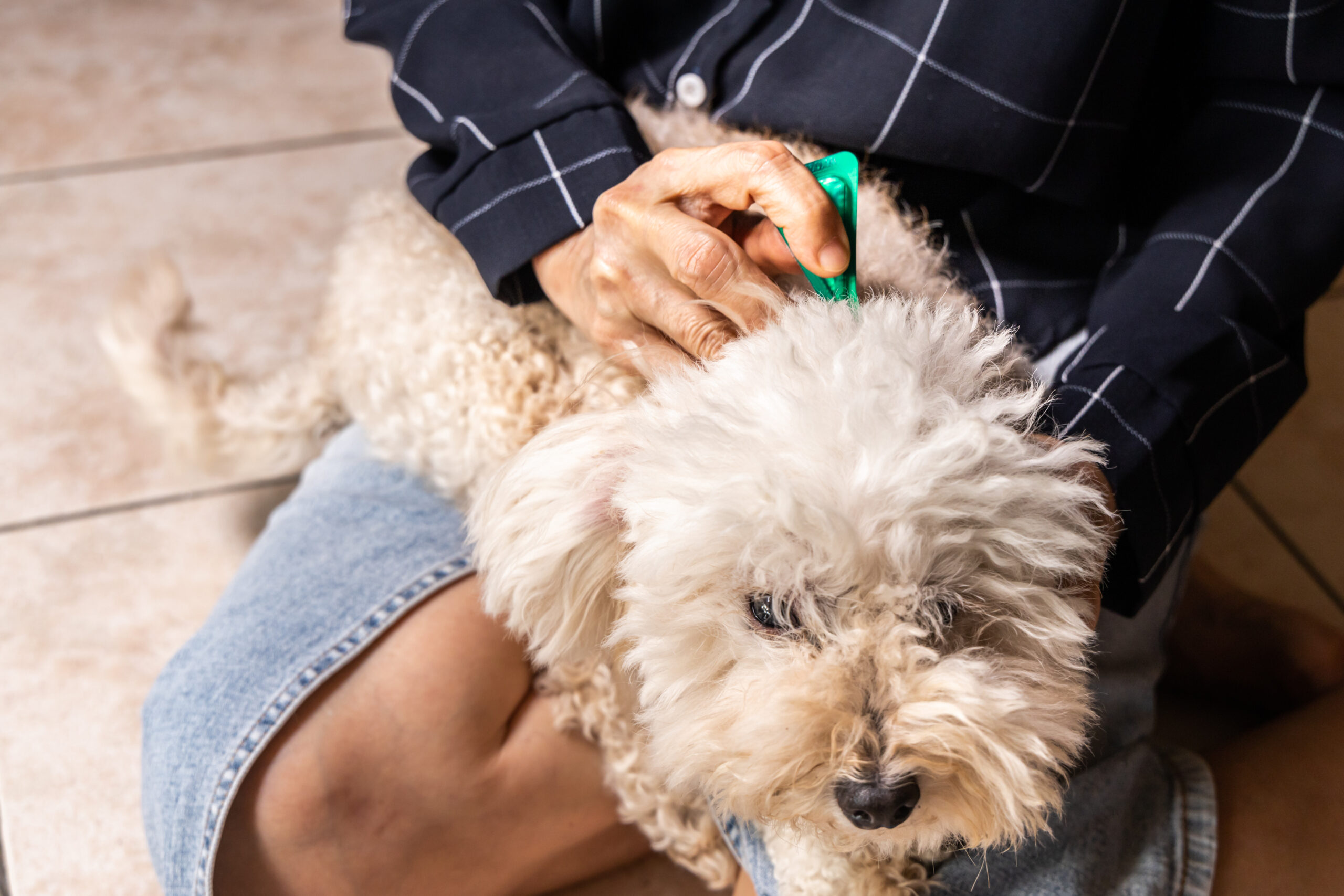
- Discuss flea, tick, and heartworm prevention
- Perform a dental checkup
- Review diet and nutrition
If youre exploring preventive care options, browse flea and tick preventatives at 1800PetMeds.
Addressing Common Adoption Questions
How do I help my new dog feel secure?
Introduce them to one room at a time. Keep things calm and offer positive reinforcement. Dogs typically take 7-14 days to adjust.
What veterinary care should I prioritize?
Schedule a checkup to confirm microchip information, review vaccinations, and create a preventive care plan.
Whats the best way to introduce a new dog to existing pets?
Exchange scents first, then arrange controlled introductions in a neutral location.
How should I manage my new dogs nutrition?
Transition to new food slowly over ten days. Monitor your dogs response.
What daily routine helps my dog thrive?
Use consistent meal times, potty breaks, and gentle exercise.
Your Rewarding Journey Begins Here
Welcoming a dog into your home starts a beautiful friendship. Each dog adjusts in their own time, but your patience and affection make all the difference. As you build this bond, PetHealthMD offers expert guides on feeding, preventive health, and wellness. For essentials to help your new pet settle in, explore the dog supplies category at 1800PetMeds where youll find beds, bowls, and more.