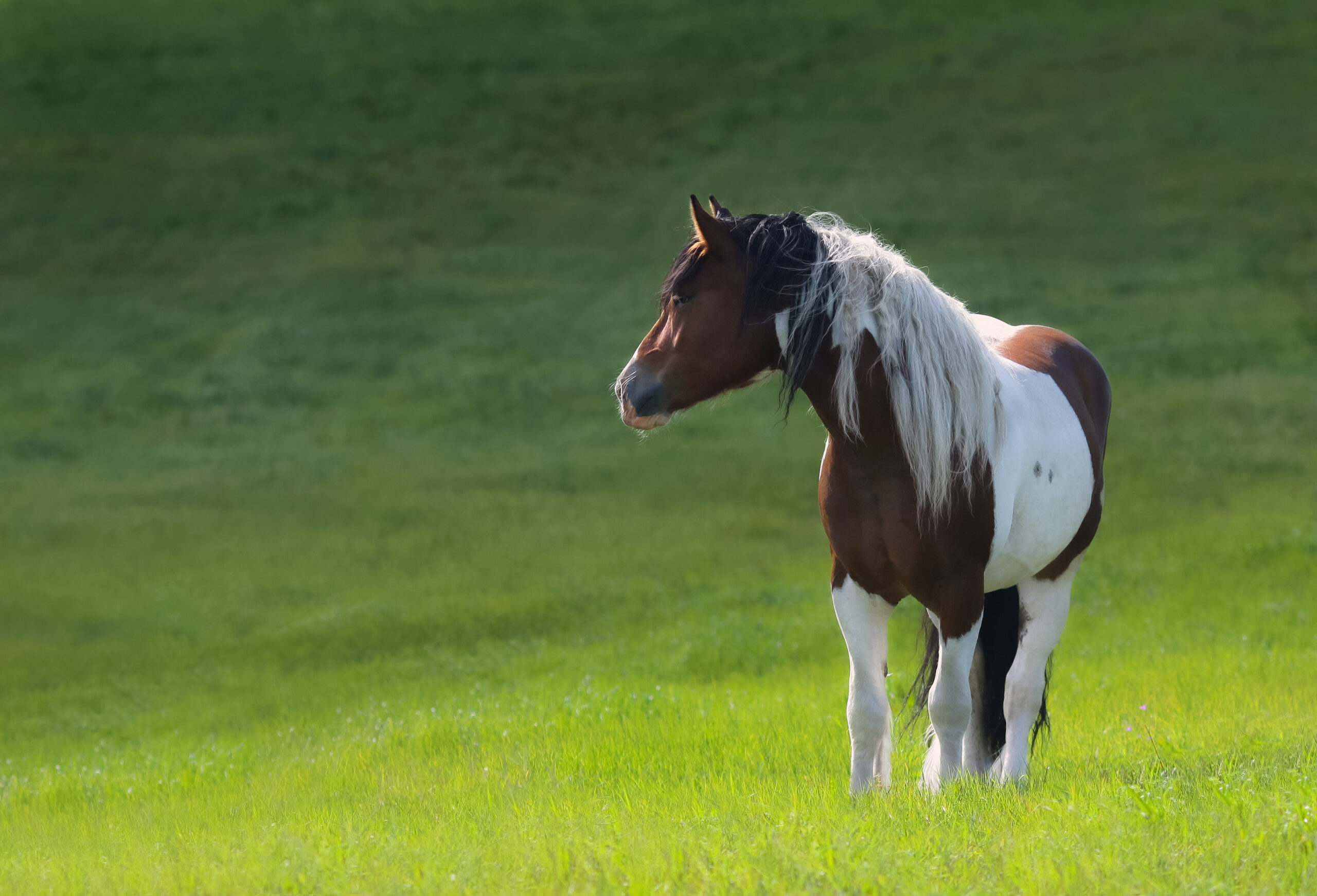
Every horse owner will, at some point, experience hoof problems. When you notice an abnormality in the appearance of one of your horse’s hooves or signs of pain or lameness, keep in mind that it is likely caused by one of these common, treatable issues.
Always contact your veterinarian or farrier as soon as you notice a hoof problem. You will need an accurate diagnosis to make sure you are treating the correct issue.
1. Cracks In The Hoof
Cracks in the hoof are common, but if left untreated, they can lead to an abscess or infection. Hoof cracks may be caused by dietary issues, environmental conditions, or a combination of both.
If your horse is prone to dry, brittle, cracked hooves, products designed to strengthen and moisturize hooves can help support healthy hoof structure.
Maintaining proper nutrition and regular farrier visits can also help prevent recurring cracks.
2. Hoof Abscess
An abscess is an accumulation of pus inside your horse’s hoof. It typically occurs when bacteria enter the hoof, often after your horse steps on a sharp object such as a nail or stone. Bacteria may also enter through cracks that develop during dry conditions.
Sometimes an abscess is very obvious. Your horse may show lameness in one hoof, and there may be a visible hole or crack. If the abscess has burst, pus may be present. You may also notice warmth and inflammation in the hoof, which is a clear sign of infection.
Fortunately, abscesses are common and treatable. Hoof care products and protective treatments can help keep the hoof clean while it heals. You can browse treatment and protection options in the horse first aid category.
3. Laminitis
Laminitis is the inflammation of the laminae, the delicate tissue that secures the coffin bone to the hoof wall. Diet is believed to be a common cause, and it is especially common in overweight horses.
A diet rich in sugars from fruits, grains, or spring grass may contribute to laminitis. Symptoms of a mild case include:
- Lameness
- Reluctance to turn
- Warmth in the hoof
- A strong pulse in the affected hoof
While laminitis cannot be cured, it can often be managed with proper veterinary care, weight management, and supportive hoof care. Many owners also look into supplements and wellness products found in the vitamins and supplements category to support overall hoof and metabolic health.
4. Thrush
Thrush is a bacterial infection of the frog of the horse’s hoof. One of the first signs is a strong, unpleasant odor along with black discharge coming from the frog.
If left untreated, thrush can break down the structure of the hoof and cause significant discomfort for your horse. Thrush commonly develops in wet or muddy conditions, which makes proper stall and pasture management important.
Regular hoof cleaning and treatment with products designed to fight infection can help resolve thrush and prevent it from returning. You can find cleaning and treatment products in the horse hoof care category.
5. Sole Bruises And Corns
Sole bruises and corns are caused by trauma to the foot. This can happen from stepping on a stone, working on hard ground, or wearing a poorly fitting shoe.
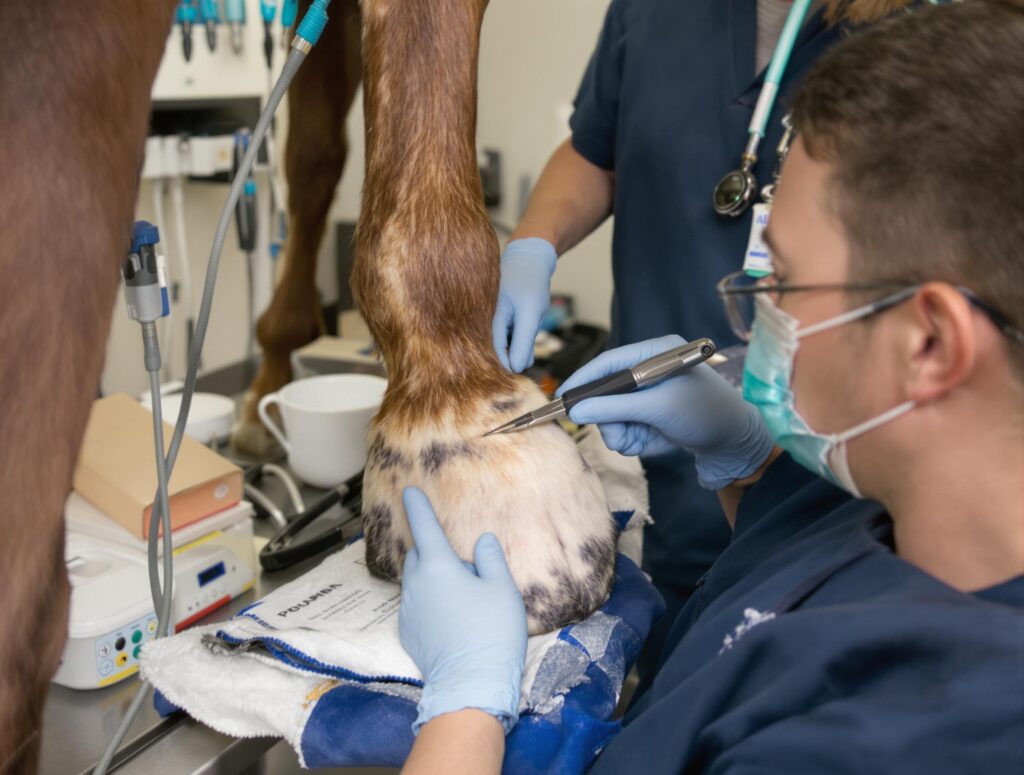
The bruise may not appear until weeks after the trauma occurs. A corn is a bruise at the back of the sole of the foot and is often caused by horseshoes that are too tight or have been left on too long.
To treat a bruise, your farrier will typically remove the shoe and carefully pare over the bruised area to relieve pressure. Preventing sole bruises and corns often comes down to consistent hoof care, including:
- Regular trimming
- Proper shoe fitting
- Picking your horse’s hooves before and after rides
Routine hoof inspections and preventive care can go a long way toward protecting your horse from painful hoof problems.