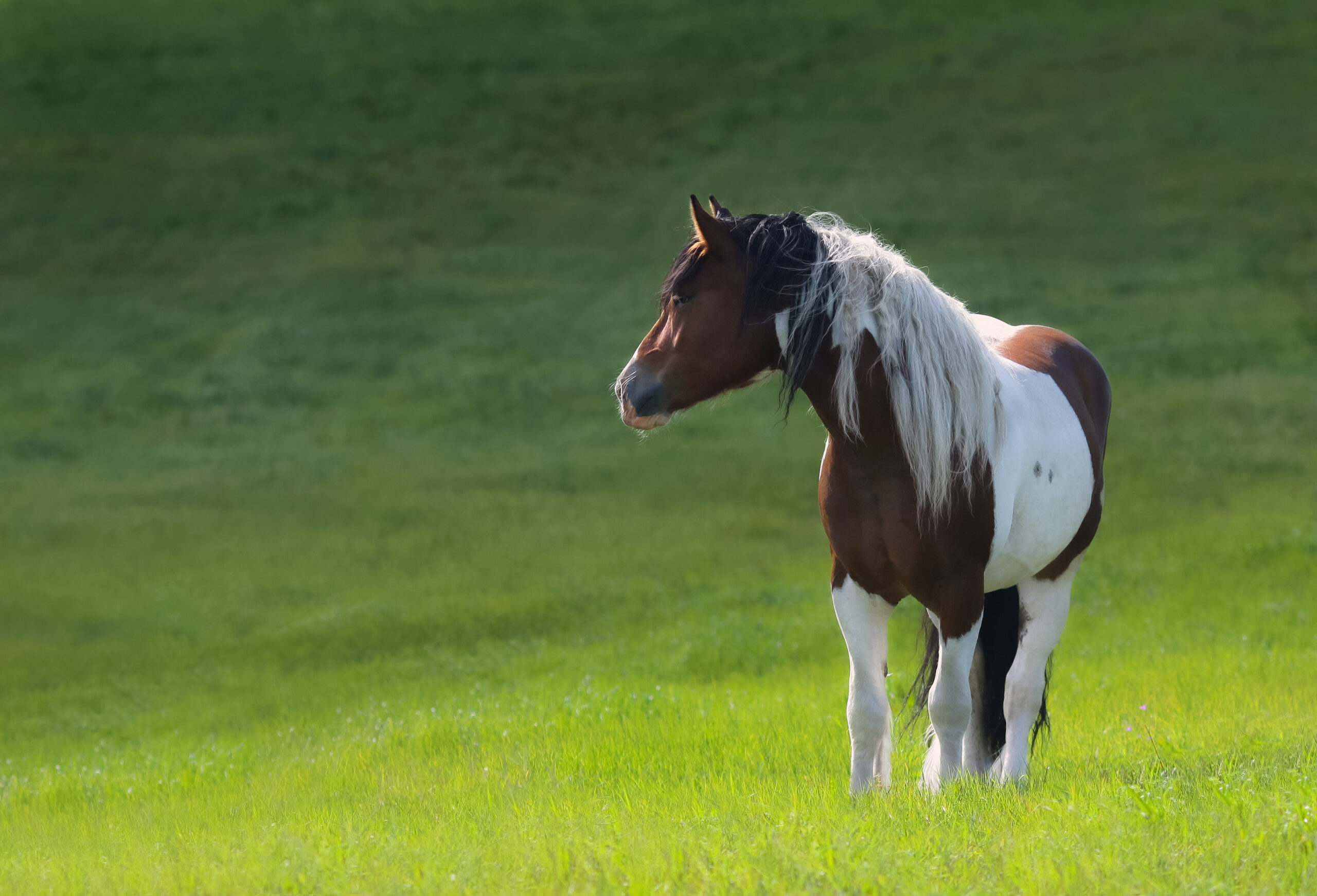
Thinking of letting your horse go barefoot this winter? It can be a great opportunity to give your horse a break from shoes, especially if they will be taking time off from riding, competing, or working. For some horses, though, it is best to keep shoes on in the winter. Here is what you should keep in mind when making this choice for your horse.
Benefits Of Going Barefoot in Winter
Naturally, going without shoes in the winter can help you save a little money. It can also prevent your horse from experiencing a buildup of snow in their hooves. For some horses, going barefoot gives their hooves a chance to grow naturally without support and may even promote the growth of strong hoof walls.
Maintaining proper hoof health is important whether your horse wears shoes or not. Regular trimming and support products found in the PetMeds Horse Hoof Care category can help keep hooves strong and healthy during the winter months.
How To Transition Your Horse After Pulling Shoes For Winter
Your horse will need time to adjust to going barefoot, so you should plan for about 30 to 90 days without work while your hhorse’shooves toughen up. This makes sense for owners who ride less during the winter months. However, if your horse’s workload remains the same year-round, they may not be able to go barefoot.
Hoof boots can help protect your horse’s hooves during this transition period and provide traction when riding on uneven or frozen terrain.
Supporting your horse’s overall health during this transition can also help maintain strong hooves and joints. You can explore supplements designed to support equine wellness in the PetMeds Horse Vitamins and Supplements category.
Hoof Maintenance During A Barefoot Winter
Going barefoot does not mean you can skip regular hoof care. Consistent maintenance is essential to prevent injury and keep hooves in good condition throughout the winter.
Key hoof care habits include
- Inspecting hooves regularly for bruising, cracking, or splitting
- Picking your horse’s hooves daily to remove packed snow, ice, or debris
- Scheduling farrier visits every four to six weeks
Maintaining overall hoof health can also involve supportive products such as conditioners, supplements, and treatments available in the PetMeds Horse Hoof Care category.
When You Should Not Let Your Horse Go Barefoot
Going barefoot in the winter is not the best choice for every horse. Some horses need the additional traction and support that horseshoes provide.
You may want to keep shoes on during winter if your horse
- Has a history of laminitis
- Has experienced orthopedic injuries
- Will be ridden regularly on hard or frozen ground
- Needs extra traction to prevent slipping
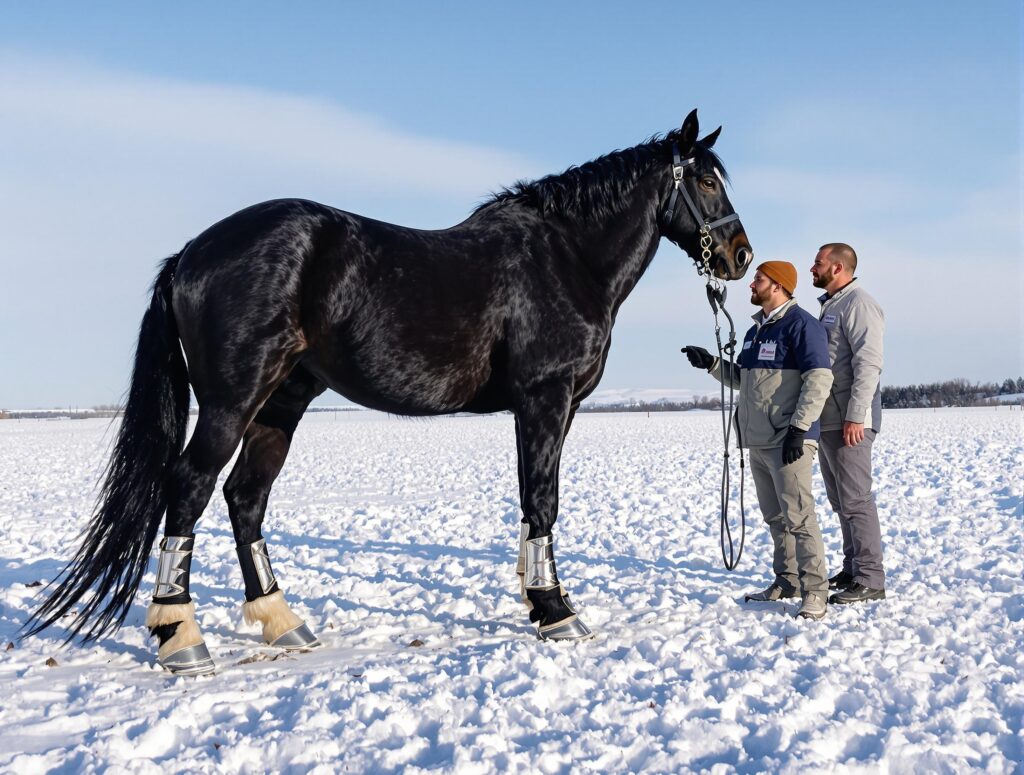
In these cases, specialized winter shoes can provide traction and help reduce the formation of hoof snowballs. If you are managing hoof related conditions such as laminitis or inflammation, you can also review treatment options in the PetMeds Horse Pain Relief and Anti-Inflammatory category.
Talk With Your Farrier And Veterinarian
Before making the decision to pull your horse’s shoes for winter, discuss your plans with both your farrier and veterinarian. They can evaluate the soundness of your horse’s hooves, help guide you through the transition process, and determine whether your horse will remain comfortable barefoot or if shoes are still the better option.