If you have ever taken your horse out on the road, you may have noticed that they can be very picky about their water. Horses use their sense of smell to determine if water may be contaminated, stagnant, or simply different from what they drink at home. Even with a strong instinct for clean water, though, horses can still be affected by waterborne pathogens and parasites. Supporting your horse’s health with proper hydration and preventive care, including regular parasite control products found in the Horse Dewormers category, can help reduce the risk of illness.
Well Water Safety
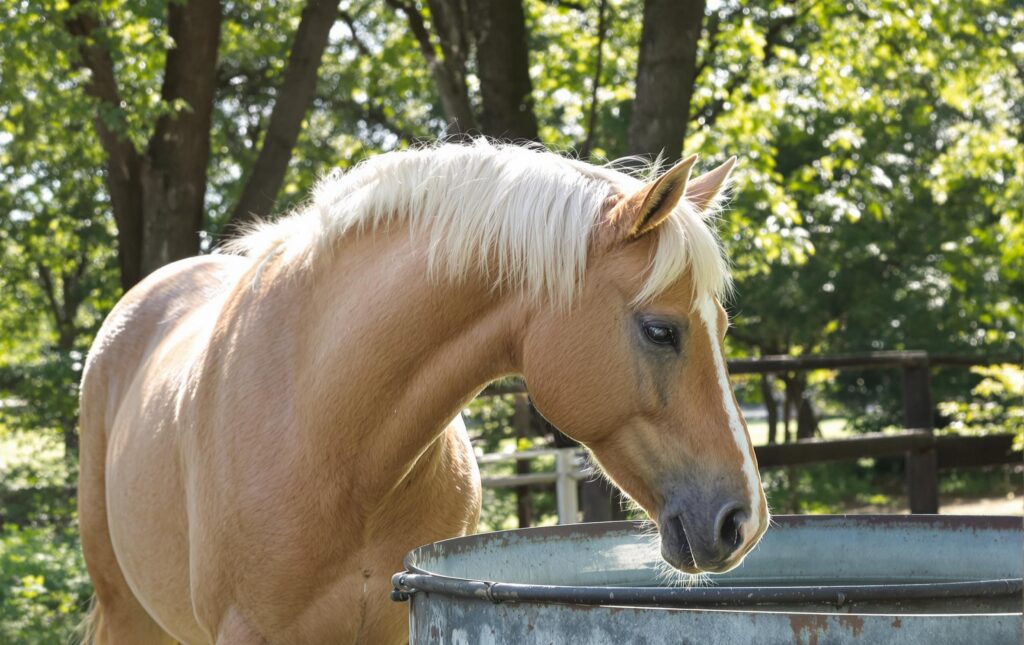
If your barn uses well water, it is often a clean and safe source of drinking water for your horse’s tank. However, well water can become contaminated by runoff from fields that contain pesticides, manure piles, or septic systems.
You should have your well water tested annually, as well as any time you notice signs of potential contamination, including unusual odor or color, or if your horse suddenly refuses to drink it.
Well water usually has a higher mineral content than tap water, which gives it a distinct taste. A horse that normally drinks well water may develop an upset stomach if they suddenly drink tap water, or they may refuse to drink it at all. The opposite can also happen. If you travel with your horse, consider bringing water from home or using small amounts of flavorful additives such as apple juice to encourage them to stay hydrated.
Safe Natural Water Sources
Your horse may also drink from natural water sources in the pasture or on the trail. Not all natural water sources are safe, so it is important to evaluate them carefully.
Avoid natural water sources that contain visible blue-green algae. Algae can produce cyanotoxins, which can be fatal to horses if consumed. Algae may look like a layer of paint floating on the surface of the water or may give the water a cloudy or murky appearance.
Moving streams are generally safer than stagnant ponds, but they can still become contaminated by wildlife that drink from them. Wild animals that swim, drink from, and defecate near a body of water may leave behind harmful pathogens, such as:
- Leptospira
- Salmonella
- Listeria
- E. coli
These organisms, along with certain parasites that can lead to equine protozoal myeloencephalitis, may affect horses that drink contaminated water. Using products from the Horse Dewormers category can help protect horses from many common internal parasites they may encounter in pasture environments.
Purifying Your Horse’s Water
Water from natural sources can be made safer using purification methods. Water purifying tablets can help reduce harmful microorganisms in drinking water collected during travel or trail rides. There are also specialized tablets designed for use in water tanks and troughs.
Another option is to purify water with bleach. Use about one-eighth to one-quarter teaspoon of bleach per gallon of water, then wait at least one hour before allowing your horse to drink so the chlorine can dissipate.
Whether your horse drinks from unknown water sources or not, it is always a good idea to maintain a regular parasite control routine. Products available in the Horse Dewormers category can help support your horse’s health by reducing the risk of parasite exposure from contaminated water or soil during grazing.