Now that the snow has melted and the winter blankets have gone back to the storage shed, it is time to get your horse ready for spring. Here is what you can do to keep your horse healthy as you prepare them for those long rides in the sun.
Conditioning Your Horse For Spring
If you have not been riding your horse as much over the winter, you may be excited to get back in the saddle. Before you resume your horse’s usual spring riding schedule, however, you will want to slowly condition them to get back in shape. Proper conditioning helps prevent overexertion and injury.
The first few weeks of conditioning should consist of:
- Short, easy sessions
- Flat terrain work
- Light activity with gradual increases in intensity
As your horse’s endurance improves, you can gradually add short sessions of trotting or light calisthenics. Begin each session with a proper warm-up and end with a cool down. This helps prevent injury and stimulates healthy blood flow to the muscles, which can support recovery.
Parasite Control Prep For Spring
Even if you have been diligently following a deworming and parasite control program throughout the winter, you should submit a fecal sample to your veterinarian for a fecal egg count. This is the only way to determine whether your horse’s dewormer has been effective or if parasites have developed resistance.
If treatment is needed, you can explore options in the Horse Dewormers category to help maintain a strategic parasite control plan.
Spring is also the ideal time to update vaccinations, especially for mosquito-transmitted illnesses such as West Nile Virus encephalitis. Speak with your veterinarian about recommended vaccine boosters based on your location and your horse’s activity level. You can learn more about preventive care products at 1800petmeds.com.
Watch Out For Spring Grass Founder
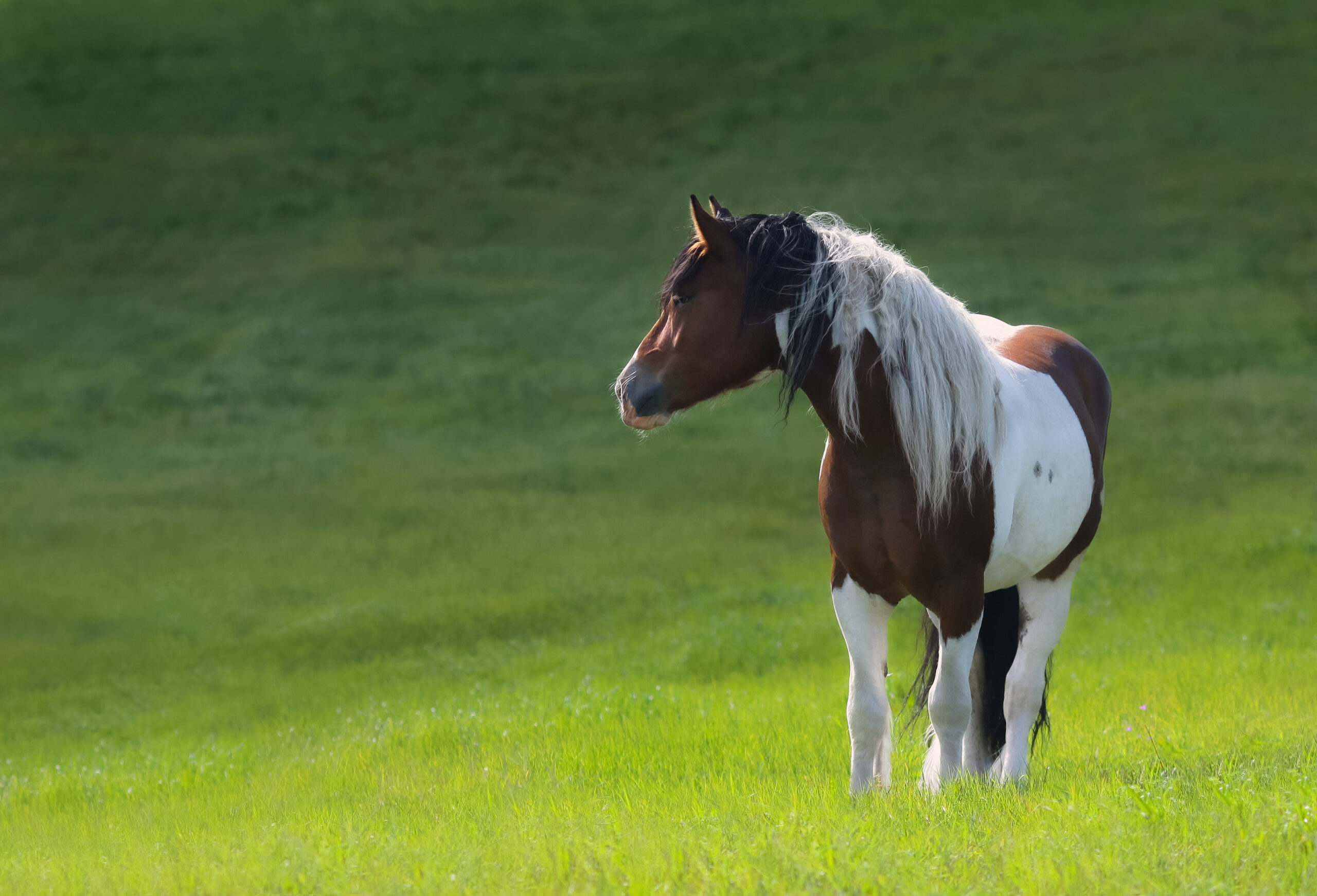
After a long winter, your horse may be eager to graze on fresh green grass. However, as spring grass begins to grow, it stores energy in the form of sugar fructans to support continued growth during variable weather conditions.
When a horse consumes too much fresh, sugary grass, those sugars can trigger an overgrowth of bacteria in the large intestine. This imbalance may lead to colic and founder, also known as laminitis.
To help protect your horse:
- Limit access to lush spring grass
- Monitor horses that are overweight or prone to colic or laminitis
- Take extra precautions if your horse has Cushing’s disease
You can begin with as little as one hour of turnout per day and gradually increase turnout time as your horse’s digestive system adjusts. A grazing muzzle can also help limit grass intake while still allowing movement and exercise. Browse options in the Horse Care and Grazing Supplies category to support safe spring turnout.
By easing your horse back into work, staying on top of parasite control and vaccinations, and carefully managing spring pasture access, you can help ensure a healthy and successful riding season.