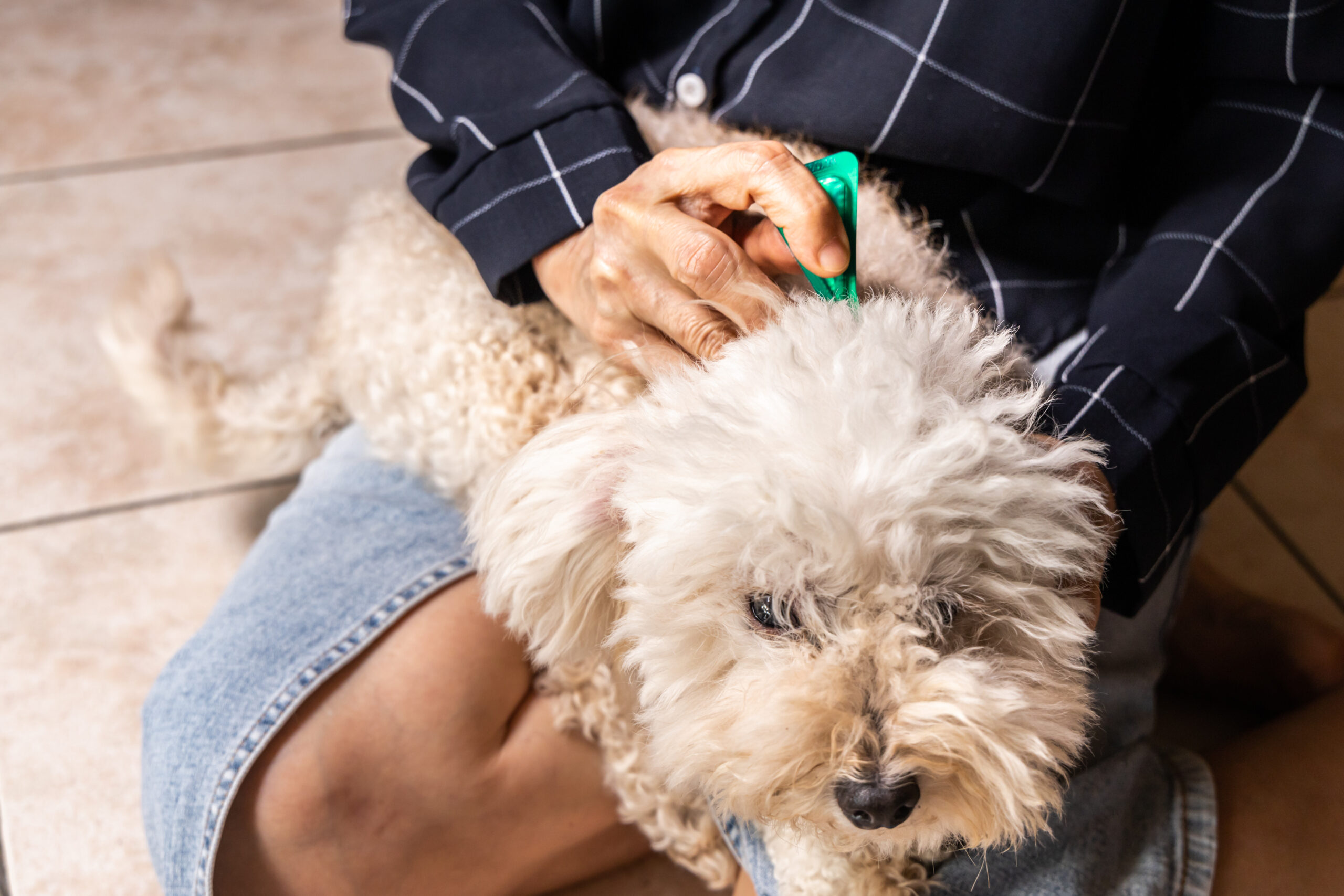

Lyme disease in dogs is a serious illness that can cause inflammation and swelling of joints, fever, and even kidney failure. It is one of the most common tick borne diseases affecting dogs and is especially prevalent in areas with high tick populations. Because symptoms do not appear immediately, prevention and early detection are essential.
Here, we explore how dogs get Lyme disease, how it spreads, its symptoms, and the best ways to treat and prevent it.
How Do Dogs Get Lyme Disease?
Lyme disease is caused by the bacteria Borrelia burgdorferi, which is transmitted through bites from certain tick species. The infection passes through the tick’s saliva into the dog’s bloodstream. Once infected, the disease can affect joints and major organs, including the heart, brain, and spinal cord.
Dogs that live in rural areas or who frequently hike or hunt are at higher risk. While peak tick season is typically summer through fall, Lyme disease can be contracted year round.
For preventative options, explore flea and tick treatments on 1800PetMeds.
Symptoms of Lyme Disease in Dogs
Lyme disease symptoms may take weeks or months to appear, making diagnosis more challenging. Common symptoms include:
- Fever
- Reduced appetite
- Lethargy
- Lameness
- Joint pain or swelling
- Swollen lymph nodes
- Weight loss
Severe cases can cause heart complications, kidney failure, or neurological symptoms. Because symptoms vary widely, routine veterinary checkups are crucial for early detection.
How Lyme Disease in Dogs Is Diagnosed
Diagnosis often begins with reviewing the dog’s medical history and any known tick exposure. If symptoms are present, veterinarians may recommend tests such as:
- SNAP 4Dx blood test, which screens for antibodies related to Lyme disease.
- Lyme Quant C6, which measures antibody levels to assess the severity of infection.
A dog may test positive for exposure but never show symptoms if its immune system keeps the infection under control. Treatment is only recommended for symptomatic dogs.
Lyme Disease Treatment for Dogs
Because Lyme disease is bacterial, antibiotics are the primary treatment. Doxycycline is most commonly prescribed, although amoxicillin or azithromycin may be used if doxycycline is not tolerated.
Additional treatments may include:
- Pain relief medications
- Anti inflammatory medications
- Supportive care or hospitalization for severe cases, such as kidney complications
Most dogs improve quickly, but some may experience lingering symptoms like chronic joint pain.
Lyme Disease Prevention for Dogs
Preventing Lyme disease is essential and can be done through:
- Tick prevention medications
- Vaccination
- Safe tick removal practices
Tick Prevention
Tick prevention is one of the most effective steps pet parents can take. This is especially important in wooded or grassy areas where deer ticks are common.
Pet parents can reduce risks by:
- Limiting exposure to high tick habitats
- Performing routine tick checks after outdoor activities
- Using veterinarian approved tick preventatives
Explore oral flea and tick medications and topical treatments on 1800PetMeds.
Tick Preventative Options
Tick Preventative Medications
- NexGard
- Bravecto
- Simparica
Tick Prevention Collars
- Seresto
- Alzoo
- Vetality
Lyme Disease Vaccination for Dogs
Dogs in high risk areas may benefit from the Lyme vaccine, which reduces the risk of developing severe symptoms such as kidney damage. Pet parents should discuss vaccination options with their veterinarian.
Safe Tick Removal
If a tick bite does occur, safe removal is essential. Use fine tipped tweezers to carefully remove the tick without twisting or crushing it. Clean the bite area with antiseptic afterward.
When to See a Veterinarian
Pet parents should contact their veterinarian if:
- A tick has been attached for more than 24 hours, especially if preventatives were not used
- Symptoms like fever, lameness, or lethargy develop
- A previously treated dog continues to show signs of illness
Final Thoughts About Lyme Disease in Dogs
Lyme disease can be frightening because symptoms may not appear right away. Fortunately, with proper diagnosis and antibiotics, most dogs recover well. Preventative measures such as vaccines, prevention medications, and tick collars can greatly reduce risk, especially in areas with high tick activity.
Pet parents should consult their veterinarian to determine the best prevention strategies and treatment options for their dog.