
Key Takeaways
- Consistent routines and positive reinforcement are crucial for successful litter box training.
- Selecting the right litter box and location significantly impacts your cat’s comfort.
- Addressing common training mistakes ensures long-term success and strengthens your bond.
Helping Your Cat Feel at Home
Picture this: you bring home a new kitten or adopt a cat, and now it’s time to introduce them to their new bathroom space. Teaching your feline how to use a litter box doesn’t have to be stressful. With the right approach, you can make the process smooth and easy, ensuring your cat feels secure while also keeping your home clean and odor-free.
Despite their instinct to bury waste, cats still require supervision to feel safe using their litter box. Every cat’s learning process is unique, whether you’re working with a curious kitten or helping an older cat adjust to new surroundings. For expert tips and reliable pet care information, visit PetHealthMD — a trusted resource for pet owners. You can also browse cat litter & accessories to find essentials that support training. With patience and the right setup, you can create a space where your cat feels safe and at ease.
1. Choose the Right Litter Box
Your cat should feel safe and comfortable in their litter box. The right design and size can significantly impact their success. Ideally, choose a box that’s about one and a half times your cat’s length so they have plenty of room to move around comfortably.
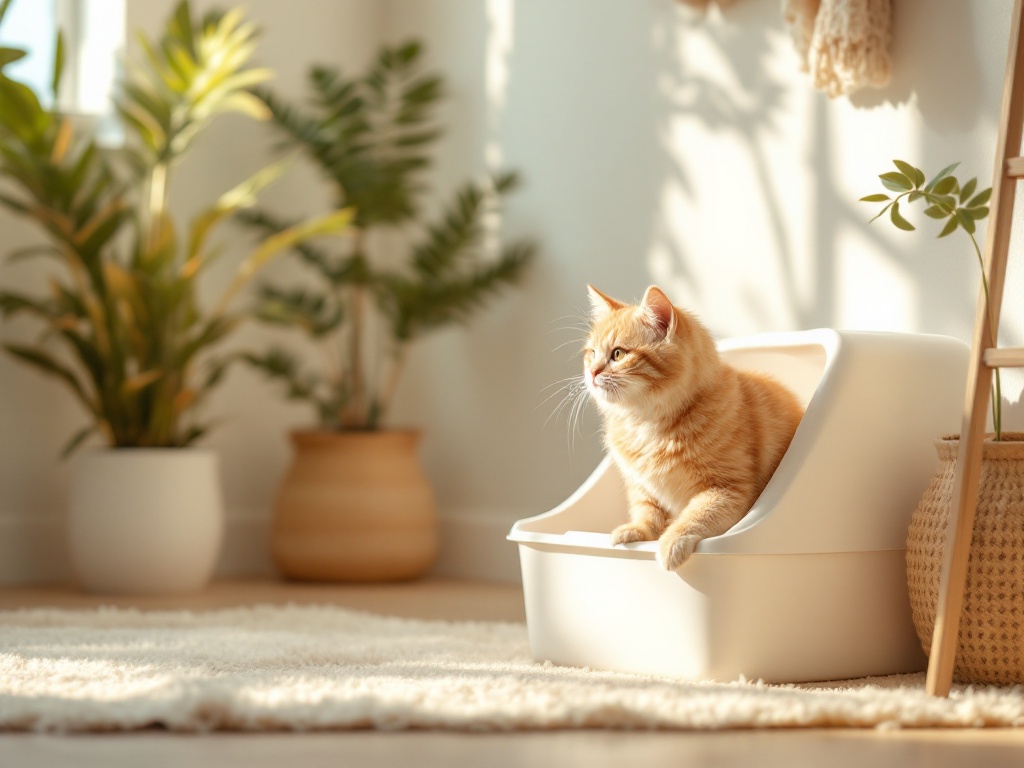
Many cats prefer open litter boxes for better visibility. Covered boxes may help with odor control, but some cats dislike the confined space. If your cat is hesitant, try an open design first.
Place the litter box in a quiet, low-traffic area away from food and water bowls. Avoid noisy spaces like laundry rooms where your cat could be startled.
2. Navigate the Training Process
Training your feline to use the litter box should be natural and stress-free. Follow these steps:
- Choose a quiet, private location.
- Use 2-3 inches of fine-grain litter.
- Watch for signs they need to go and gently lead them to the box.
- Scoop daily and replace litter weekly.
- Be patient — every cat learns at their own pace.
Need the right supplies to get started? Check out cat litter & accessories for options that support easy training and maintenance.
3. Use Positive Reinforcement
Make litter box training a positive experience. Reward your cat with treats, gentle petting, or praise when they use the box correctly.
Avoid punishment for accidents, as it can cause anxiety and setbacks. Stay calm, clean up the mess, and continue encouraging good habits.
For positive training support, explore cat treats that reinforce good litter box behavior.
4. Avoid Common Litter Box Mistakes
If your cat avoids the litter box, look for possible issues. Common mistakes include inconsistent cleaning, not having enough litter boxes, or poor placement. Keep boxes clean by scooping daily and doing a full wash weekly.
If you have multiple cats, each should have their own box plus one extra to prevent stress. Introduce new litter types gradually, and ensure the box is in a quiet, easily accessible area.
5. Maintain Healthy Litter Box Habits
Good litter box training is ongoing. Follow these tips for lasting success:
- Keep food and water away from the litter area.
- Stick to a consistent cleaning schedule.
- Watch for changes in bathroom habits, which may indicate stress or health issues.
- Use litter your cat prefers and switch gradually if needed.
FAQs About Litter Box Training
How can I tell if my cat is using the litter box properly?
Healthy cats usually urinate 2-4 times per day and defecate once or twice. If they confidently enter, use, and cover their waste, they’re doing well.
What type of litter works best for sensitive paws?
Fine-grained, unscented clumping litter is ideal. Learn more in our litter & accessories.
How do I maintain peace in a multi-cat home?
Provide each cat their own litter box plus one extra. Place them in separate areas to prevent territorial behavior.
What stress signals should I watch for?
Hesitation, excessive meowing, or avoiding the box can indicate anxiety. Ensure a quiet, comfortable space.
How often should I replace all the litter?
PetHealthMD recommends a full litter change every 2-3 weeks, even with daily scooping.
What health signs should I monitor?
Straining, frequent trips with little output, or vocalizing in the box may signal medical issues — contact your veterinarian.
Creating a Harmonious Home
Litter box training is about building a calm, comfortable environment for your cat. Predictable routines and positive reinforcement help your cat feel secure and confident. Monitor for any behavioral or health changes, and when in doubt, consult a vet.
For expert guidance and trusted pet care products, visit PetMeds to explore our full range of cat health and wellness essentials.