Key takeaways
- Dogs are naturally drawn to garbage, and their instincts influence how they behave.
- Implement effective training techniques and household rules to discourage garbage diving in dogs.
- Utilize pet-safe deterrents and intelligent kitchen setups to create a secure environment, minimizing your dog’s interest in garbage.
You turn your back for one second, and suddenly, there’s a trail of garbage across the kitchen floor. Sound familiar? Dogs don’t do this to annoy you. They’re following their instincts and their noses, which are thousands of times more sensitive than ours. But when garbage becomes a daily temptation, it’s not just a mess; it can be a health risk. Items like chocolate, onions, or cooked bones are often hiding in the trash and can be toxic.
Understanding why your dog dives into the garbage is the first step to solving the problem. The good news is that there are simple, effective ways to stop this behavior without stressing you or your dog out. From smart training tips to making your home more pet-friendly, this guide has you covered. Need extra support? PetHealthMD is here to help provide trustworthy information for pet parents just like you.
Before we begin, explore dog behavior and training essentials on the Dog Supplies category page.
Understand why dogs are attracted to garbage
Dogs are born scavengers. Their powerful noses can sniff out food smells even through a closed bin. When they find leftover pizza crust or a forgotten sandwich, it feels like hitting the jackpot.
This behavior is totally normal, even if your dog gets regular meals. But the trash can pose serious risks. Think bones, moldy food, or even food packaging that can cause choking. If your dog has gotten into the garbage and is acting unusually, vomiting, low energy, or refusing food, contact your vet.
Pay attention to when your dog seems most tempted after dinner or during cleanup, and you’ll be better prepared to manage their curiosity.
1. Use simple training tips to stop garbage digging
Training can be a fun bonding experience. Start by placing a non-edible item on the floor and teaching your dog to ignore it. Reward with praise and treats.
Practice walking past the trash can together. Use simple commands like “leave it” or “away,” and celebrate every success. Distract your dog with puzzle toys or treat-filled items during busy kitchen times.

2. Make your kitchen a dog-proof zone
Give your dog a cozy spot in the kitchen to help keep them close but out of trouble.
Use cabinet storage with childproof locks or invest in a step to open bin that seals tightly. Baby gates can help block access during food prep.
Explore options to support training with products from the Dog Training & Behavior category.
3. Choose a garbage bin with built-in deterrents
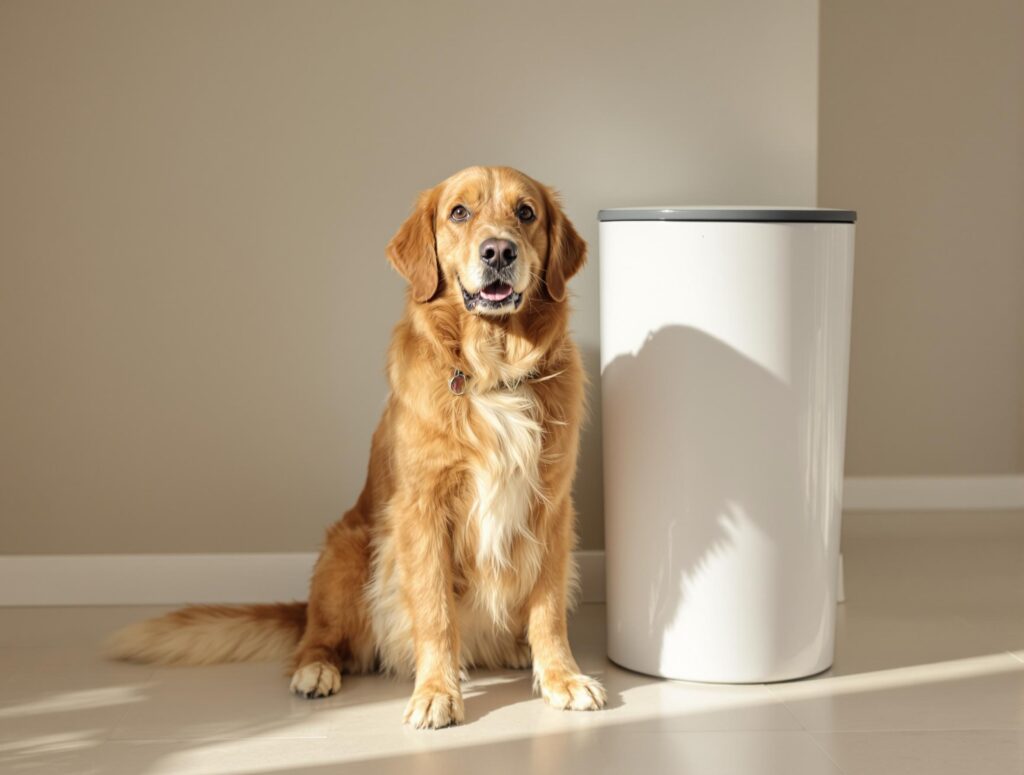
Look for hands-free models with locking lids, motion sensors, or heavy bases. These make it tough for curious dogs.
Place bins under the sink or out of sight to minimize temptation.
4. Enrich your dog’s environment to reduce garbage interest
Puzzle toys, treat-dispensing balls, and lick mats help keep dogs busy and mentally satisfied.
Try making mealtime a game by hiding treats or using interactive feeders.
5. Establish and reinforce household rules
A consistent routine helps dogs feel secure. Feed at the same times each day and take regular walks.
Get the household involved. Assign simple jobs, such as taking out the trash after meals or supervising the dog during food prep.
6. Supervise your dog during risky times
Your attention matters during times like dinner prep or cleanup. Practice commands such as “stay” or “leave it,” and reward calm behavior.
Give your dog a toy or a treat-finding game to stay occupied.
7. Apply natural deterrents as a first line of defense
Citrus peels, coffee grounds, or diluted vinegar can help keep dogs away from the trash. Avoid essential oils, which may be harmful.
8. Handle food waste to minimize attractiveness
Clear leftovers after meals and empty bins daily. Seal strong-smelling waste, such as meat scraps, in the freezer until trash day.
Clean around trash areas frequently to remove lingering odors.
Support your home safety setup with supplies from the Dog Health category.

9. Seek professional help for persistent behavioral issues
If garbage diving continues despite training, consult a professional trainer or veterinarian. Behaviorists can help identify triggers and create a plan tailored to your dog.
PetHealthMD provides reliable information and behavior support tips for pet parents.
Frequently asked questions about keeping dogs out of garbage
What makes garbage so appealing to dogs?
Dogs can smell food through containers, and their instinct to scavenge makes them want to investigate.
What health risks do dogs face from eating garbage?
Vomiting, choking, poisoning, and obstruction are all possible. If your dog shows symptoms, contact your vet.
How effective is positive reinforcement training?
It is one of the best ways to teach lasting behavior, especially when combined with a dog-friendly home setup.
Which breeds need extra attention around garbage?
Beagles, Labs, and other scent-driven breeds tend to be more curious, but any dog can benefit from prevention.
How do I choose safe deterrent methods?
Use pet-safe options such as citrus peels or vinegar. Avoid strong chemicals or essential oils.
Empower your pet with safe habits
You can make your home safer and your dog happier with a few simple steps. Securing the trash, sticking to routines, and using puzzle toys help encourage better habits.
If your dog has eaten something harmful or is acting strangely, contact your veterinarian immediately.
Pick one spot in your home to pet-proof today and add another next week. Small changes make a big difference.
For more trusted advice to keep your dog safe and well-behaved, explore resources on PetHealthMD.
Ready to support your dog’s wellbeing? Visit the Dog Supplies category on 1800PetMeds.com.