Key Takeaways
- Aggression is often rooted in fear, frustration, or stress and requires a calm, consistent training approach.
- Identifying triggers, using positive reinforcement, and avoiding unintentional encouragement of aggression are key parts of managing behavior.
- Professional help from a trainer, behaviorist, or veterinarian can make a big difference in more serious or unpredictable cases.
Understanding Why Dogs Show Aggression
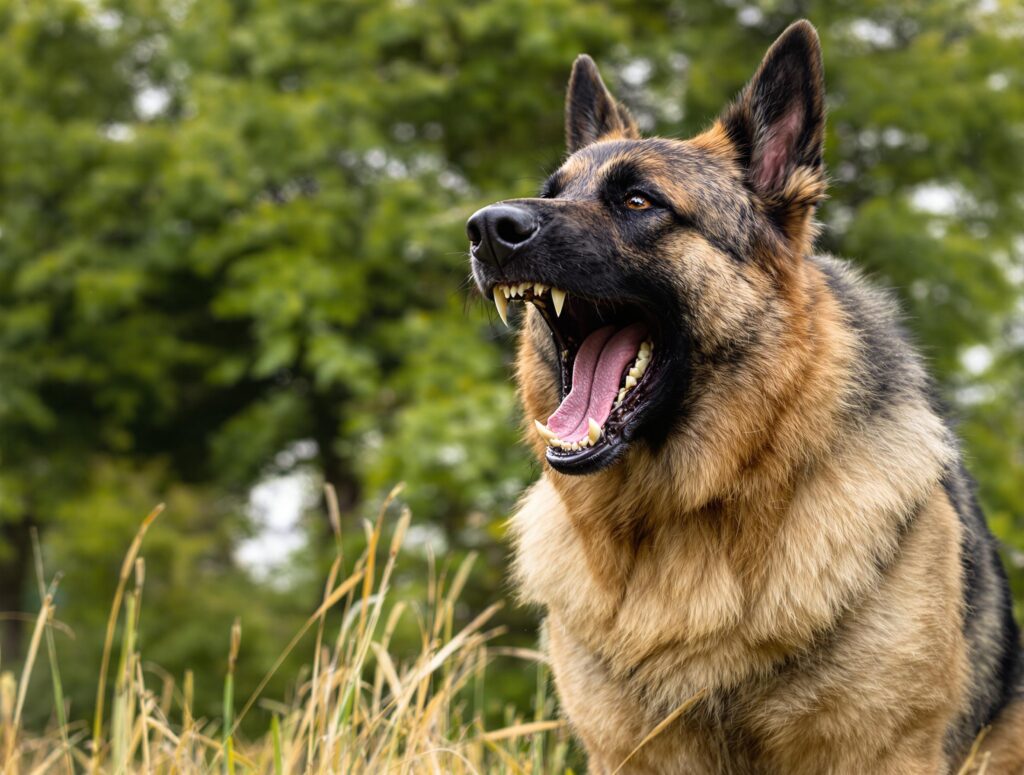
It is tough to watch your dog react with growling, barking, or lunging, but these behaviors often come from fear rather than malice. Many dogs resort to aggression when they do not feel safe or do not understand how else to respond. Luckily, behavior like this can be changed with thoughtful, consistent training.
At PetHealthMD, we focus on practical ways to help your dog build new habits through positive reinforcement and safe exposure techniques. This guide will walk you through proven training tips that help reduce aggressive behavior and encourage calm, confident responses over time.
If you need supplies for training or behavior support, check out 1800petmeds.
Identify What Is Triggering the Aggression
Before you can work on reducing aggression, you need to understand what is causing it. Triggers can vary widely from one dog to another. Taking the time to observe and document your dog’s reactions helps uncover what is really setting them off.
Common aggression triggers in dogs include:
- Strangers
- Other dogs
- Resource guarding
- Loud noises or fast movements
- Touch sensitivity
Keep a written log of each incident, noting the setting, time of day, and body language before and during the reaction. This pattern tracking helps you avoid triggers during training and builds a strong foundation for behavior change.
Use Desensitization and Counter Conditioning
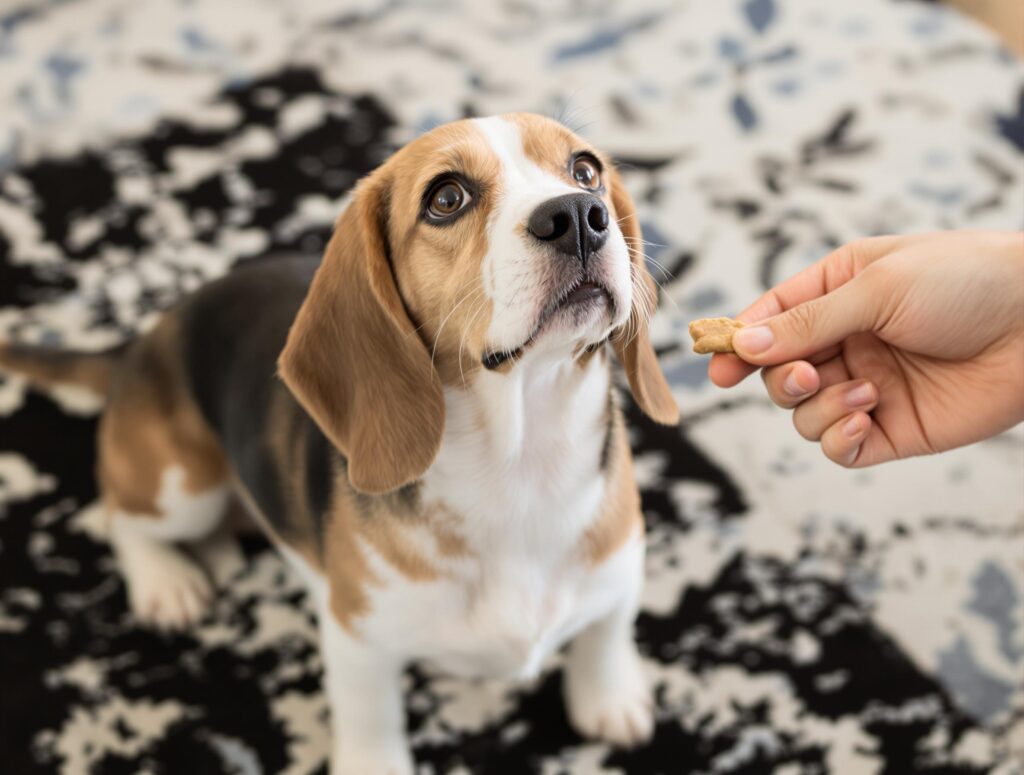
Desensitization and counterconditioning are two effective techniques for reducing dog aggression. Desensitization involves slowly and safely exposing your dog to their trigger at a low intensity. When paired with counter conditioning, you begin changing your dog’s emotional response by offering treats, praise, or play every time they see the trigger.
Whether it is a stranger across the street or another dog in the distance, this repeated pairing helps reshape their emotional reaction. Instead of anticipating something scary, they begin to expect something rewarding.
Reinforce Calm Behavior with Positive Training
Every moment your dog stays calm instead of reacting is a win. When you reinforce those small victories with something your dog enjoys, you create positive associations that encourage repeat behavior.
Ways to encourage calm behavior through training:
- Reward immediately when you see relaxed body language
- Pair cues like sit, down, or touch with mild trigger exposure
- Keep sessions short
- Maintain a calm voice and posture
- Use a marker word or clicker
Avoid Reinforcing the Aggression
Even well-meaning actions can unintentionally encourage aggressive behavior. Dogs pay close attention to how we respond in tense moments.
Common mistakes that may reinforce aggression include:
- Petting or soothing during aggression
- Raising your voice
- Backing away too quickly from the trigger
- Inconsistent rules in the household
Stay clear, calm, and consistent in how you respond. Setting boundaries without fear or frustration gives your dog a better chance to learn.
Know When to Involve a Professional
When aggression becomes difficult to manage, professional help can make a significant difference. Trainers, behaviorists, and veterinarians can offer structure and strategies that are hard to implement alone.
Health issues like pain or thyroid problems can also affect behavior. A veterinarian can help you identify or rule out these concerns. To browse training and calming aids, explore Dog Behavior and Anxiety Support.
Training Takes Time, Trust, and Teamwork
There is no one-size-fits-all fix for dog aggression, but consistent, thoughtful training can create real and lasting change. Dogs learn best when they feel safe and understood.
At PetHealthMD, we are committed to helping you better understand what drives your pet’s behavior and how to change it. From recognizing subtle warning signs to adjusting your training environment, we offer guidance you can use every day. Your dog does not need to be perfect, just supported.