Key takeaways:
Use ramps, non slip mats, and a supportive harness to help your three legged dog move safely and independently around your home.
Schedule regular veterinary visits to monitor limb strain and muscle health, and ask your vet for customized mobility and exercise plans.
Enrich your dog’s daily life with puzzle toys, gentle play sessions, and a predictable routine that supports emotional stability and confidence.
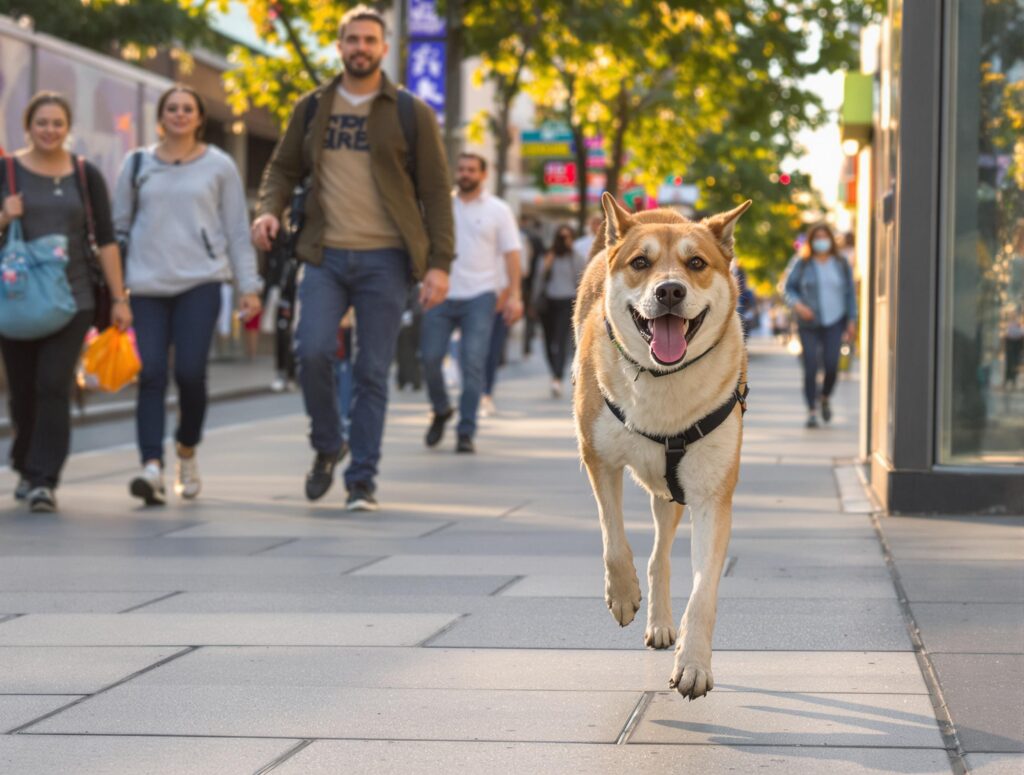
Three legged dogs often turn heads for all the right reasons. Their spirit, adaptability, and determination remind us how resilient pets can be. With just three legs, they chase toys, play with friends, and live full, joyful lives. With thoughtful care and attention, your dog can thrive in everyday life. From mobility aids and weight management to regular vet visits, small adjustments can lead to big improvements.
Not sure where to begin? Focus first on creating a home environment that’s easy for your dog to move through and stick to a daily routine that builds confidence. For guidance on these first steps, check out PetHealthMD. And remember, your veterinarian is your best partner in developing a care plan tailored to your dog’s needs.
Support Your Dog’s Daily Routine and Environment
Understanding your three legged dog’s daily needs is the foundation for long term comfort and confidence. Small environmental adjustments, regular check ins with your vet, and a reliable routine can go a long way in keeping your pup happy, healthy, and independent.
Here are practical ways to support your dog’s day to day routine:
Keep up with vet visits. A veterinarian can recommend massage, stretching, or pain relief strategies to help monitor your dog’s joint and muscle health.
Watch your dog’s weight. Staying at a healthy weight reduces pressure on joints and makes walking easier.
Stick to a routine. Start each day with a short walk and follow up with rest periods. Add simple tools like couch steps or harnesses to encourage independence.
Celebrate progress. Notice when your dog gains more confidence or tries something new. These small wins show that your support is working.
As your dog continues to grow stronger and more confident, mobility tools like harnesses or carts may help take that progress further. For helpful supplies that support mobility and joint comfort, explore the Dog Supplies category at 1800PetMeds.
Keep Your Dog Active with Adaptive Exercise Routines
Staying active is one of the most important ways to support your three legged dog’s overall health. Regular movement helps maintain strength, protects joints, and adds meaningful structure to their day. Below are practical, low impact ways to keep your dog moving safely and consistently:
Start with short, soft surface walks. Begin with 10 to 15 minutes on grass or carpet and gradually increase the time as your dog builds strength.
Incorporate swimming or hydrotherapy. Water activities are excellent for muscle building without joint strain.
Create an indoor obstacle course. Use cushions, rolled towels, or mats to create gentle challenges that improve balance and coordination.
Make movement playful. Use soft toys for short fetch games or hide treats to encourage exploration.
Exercise during cooler parts of the day. Keep sessions short and consistent, and always check with your vet before beginning new routines.
To support your dog’s exercise routine with safe mobility products, visit the Dog Supplies page for training aids, joint support, and more.
Choose Mobility Aids That Match Your Dog’s Needs
Mobility aids can help your dog feel more comfortable and confident. They also give you peace of mind. Ask your veterinarian to help you pick the right tools for your dog’s condition.
Daily Mobility Support
Before choosing a harness or mobility cart, take some time to observe how your dog moves and where they may need the most support. Some dogs benefit from extra balance in front, while others need help with weight distribution across their body.
Use support harnesses for stability on walks. Find one designed for dogs missing a front leg or one that provides full body support.
Use a dog wheelchair to reduce stress on your dog’s body and help them stay active.
Home Safety Solutions
Creating a safer home environment is one of the simplest and most effective ways to support your dog’s mobility. Thoughtful adjustments can help prevent slips, encourage independence, and make daily activities more manageable.
Put non slip mats around your dog’s bed, food area, and common walking paths.
Install ramps with a gentle incline and a non slip surface.
Active Lifestyle Equipment
Swimming is a great low impact activity for three legged dogs, but even confident swimmers can benefit from added safety. A supportive life jacket boosts buoyancy and helps nervous pups enjoy the water more.
For mobility aids, safety gear, and exercise essentials, browse the full Dog Supplies category at 1800PetMeds.
Build Emotional Confidence Through Positive Daily Interactions
Three legged dogs are just as playful, affectionate, and full of personality as any other pup. However, after an amputation or adjustment period, they may need extra emotional reassurance. The sudden shift in mobility can affect their confidence and comfort.
Creating an environment that feels safe and predictable can help your dog feel secure as they regain independence and trust in their surroundings.
Keep a regular routine of gentle walks, calm playtime, and relaxing together.
Use puzzle toys or feeders to keep your dog engaged.
Give praise when your dog learns something new or handles a challenge.
Plan calm social visits with friendly, low energy dogs.
Watch for changes like hiding, disrupted sleep, or lost interest in play.
Spend time together through brushing or soft petting.
Frequently Asked Questions About Caring for a Three Legged Dog
How do I prevent injuries in my three legged dog?
To help prevent injuries, create a safe environment that supports your dog’s balance and stability. Use rugs or non slip mats in high traffic areas and maintain a healthy weight to minimize strain on joints. For trusted mobility and safety products, visit the Dog Supplies category on 1800PetMeds.
How long does it take for a dog to adapt to three legs?
Adjustment timelines vary. Some dogs regain mobility within weeks, while others take months. If you’re unsure about your dog’s progress, your veterinarian can evaluate their recovery and recommend adjustments.
How can I tell if my three legged dog is uncomfortable or in pain?
Look for subtle cues like limping, licking a specific area, restlessness, or a change in appetite. If you notice any of these signs, contact your veterinarian.
What can I do to support my dog’s emotional health?
Stick to a routine, offer positive reinforcement, and rotate mentally stimulating toys. If you notice signs of stress or withdrawal, your veterinarian or a certified trainer can help with tailored strategies.
Celebrate Your Dog’s Progress and Potential
Helping a three legged dog live fully and comfortably takes patience, planning, and compassion. Every small step brings noticeable progress.
Check out the PetHealthMD Care Guide and explore supplies through the Dog Supplies category at 1800PetMeds to support your dog’s journey. Work closely with your veterinarian to choose what works best.
With your care and encouragement, your three legged dog can shine with confidence, joy, and the freedom to enjoy everyday moments.