Key Takeaways
- Petting your dog strengthens the bond between you and your pet by releasing oxytocin, the bonding hormone, which promotes social bonding and emotional attachment.
- Understanding and respecting your dog’s body language during petting can enhance their physical and emotional well-being, reducing stress and fostering trust.
- Mindful petting benefits both dogs and humans, contributing to improved mental health, decreased stress levels, and a more resilient, trusting relationship.
Why Petting Matters
Who does not love a good cuddle with their dog? Nearly 68 percent of US households share their lives with a pet, a reflection of the deep connection we have with our animal companions. During moments of affection like petting, both humans and dogs release oxytocin, the hormone linked to social bonding and emotional attachment, which helps reinforce that special connection.
Learning how to pet your dog in ways that feel good to them can make these moments even more meaningful. Gentle, intentional touch has been shown to lower stress and encourage positive behaviors in dogs. With a few science-backed techniques, you can build a deeper, more supportive bond with your dog that nurtures their well-being. PetHealthMD provides tips to help you make the most of every interaction.
Mastering Dog Petting Techniques
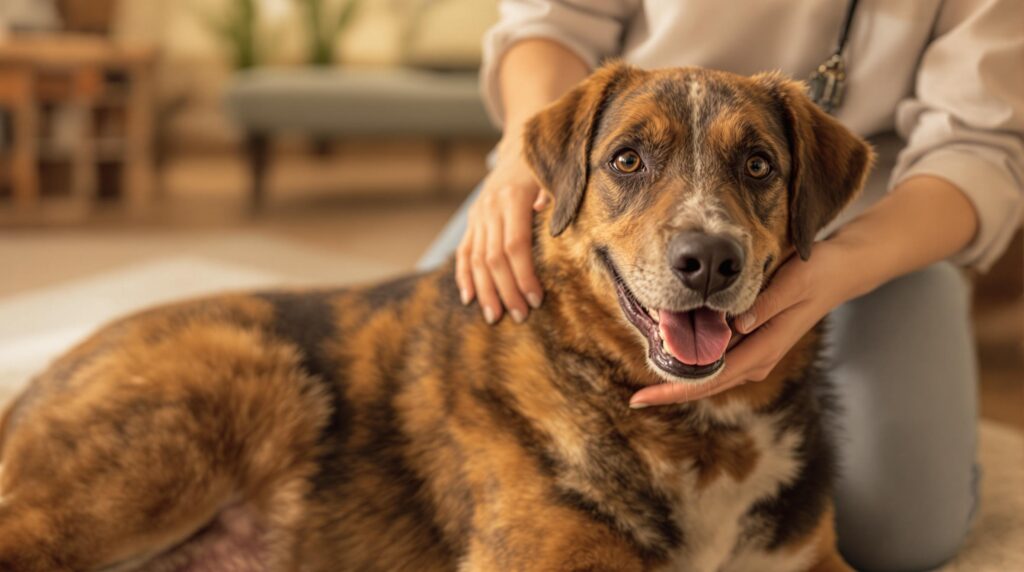
Petting your dog is not just about showing affection. It is a daily opportunity to reinforce your unique bond. The way you touch, where you touch, and how you respond to their cues all play a role in helping your dog feel safe, loved, and connected to you.
Here are simple, effective ways to turn everyday petting into a meaningful connection:
- Learn your dog’s favorite spots.
Most dogs enjoy calm strokes on the chest, shoulders, or base of the neck. Some love ear rubs or back scratches, while others may even enjoy gentle touches on their hips or upper legs. Spend time learning where your dog naturally leans in and where they gently pull away. - Use slow, steady motions.
Long, gentle strokes are generally more calming than quick pats. Move your hand in one direction with light pressure, adjusting based on how your dog responds. This kind of touch helps lower your dog’s heart rate and reduces stress. - Try the consent test.
Pet your dog for a few seconds. Then, stop and see what they do. If they look at you, nudge your hand, or shift closer, it is a green light to keep going. If they wander off or stay still, they may not want more attention right now. - Pair petting with positive words.
Your dog knows your tone. Soft praise while petting adds emotional reassurance and strengthens your relationship. - Avoid overstimulating areas.
While every dog is different, most do not enjoy heavy-handed pats on the top of the head, grabbing their paws, or fast rubbing along the spine. If you are not sure, stick to areas where your dog can see your hand coming. - Know when to hold back.
Respect is part of bonding. If your dog is tired, overstimulated, or just not in the mood, it is okay to give them space. Letting them take the lead shows that you trust them to communicate their needs. - Use petting as a wellness check.
During your daily pets, use the opportunity to check for new bumps, skin issues, or areas of tenderness. It is a simple way to stay in tune with their health. Explore helpful supplies in the Dog Health and Wellness category.
How to Pet a Dog That Is Not Yours
Building trust with a dog that is not yours starts with the right approach. These proven steps create safe, positive experiences for both you and your new furry friend.
- Request the owner’s permission before petting their dog. This thoughtful practice helps prevent defensive behaviors and promotes positive interactions.
- Position yourself slightly to the side and avoid direct eye contact. Dogs interpret this relaxed stance as friendly and non-threatening.
- Remain still and allow the dog to make the first move. Giving them control over the interaction promotes confidence and comfort.
- Extend your closed fist at chest level from a comfortable distance. This gentle introduction lets the dog safely investigate your scent.
- Look for welcoming body language such as a loose, wagging tail and soft eyes before moving forward.
- Begin gentle contact by patting the dog’s chest or shoulder area.
Recognizing When a Dog Enjoys Being Petted
A dog’s body language tells a lot about their comfort level during petting. Positive signs include:
- A relaxed, wiggling body that leans into your touch
- Gentle nudging of your hand when you pause
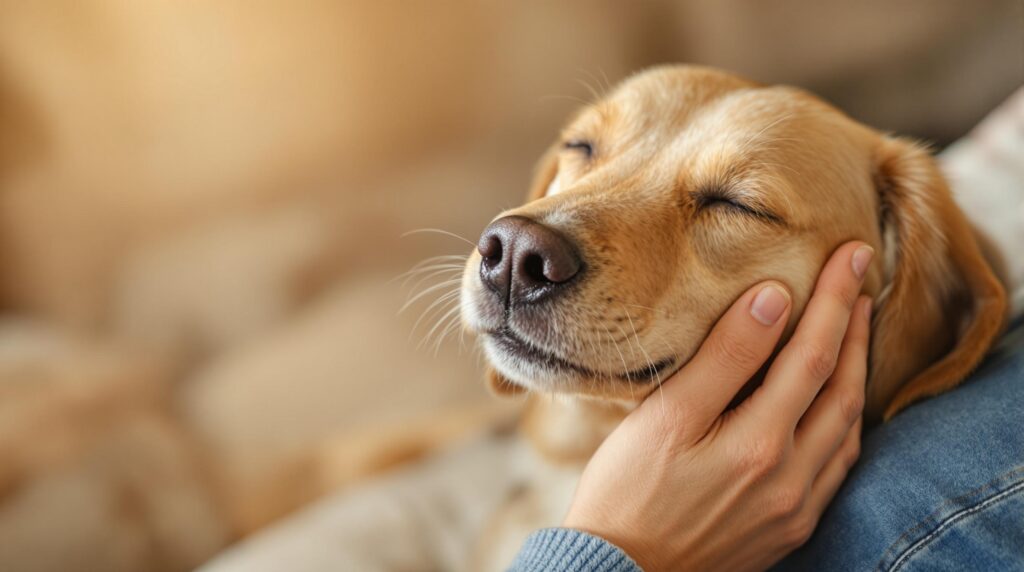
- A soft, peaceful facial expression with partially closed eyes
- Rolling over to expose their belly, showing complete trust
- A calm, steady breathing pattern
Your dog might need a break if you notice:
- Head turning away
- Lip licking or yawning
- Moving away
- Stiffening of their body
- Whale eye
Frequently Asked Questions About Petting a Dog
How can I tell if my dog wants to be petted?
Watch for a relaxed body posture, soft eyes, and a gently wagging tail. A dog who approaches with loose, wiggling body language or leans into your touch is inviting interaction.
What is the best way to pet a dog?
Start with gentle strokes on the chest, which helps dogs feel secure since they can see your hand approaching. Once your dog seems comfortable, you can expand to their favorite spots.
How can petting help calm an anxious dog?
Gentle, predictable petting releases calming hormones. Try slow, rhythmic strokes from chest to shoulder with steady pressure.
Can I use treats or calming products to help my dog enjoy petting more?
Pair gentle petting with treats to create positive associations. Some dogs benefit from calming chews or vet-recommended items. Explore options in the Dog Anxiety and Calming category.
When should I avoid petting a dog?
Avoid petting when a dog is sleeping, eating, or showing signs of stress.
Make Every Pet Count
Every time you pet your dog, you are building trust, offering comfort, and strengthening the connection you share. When you pay attention to their body language and preferences, petting becomes more than just a moment of affection. It becomes a daily act of care that supports their well-being. Whether it is calming an anxious pup or sharing a quiet moment, these small gestures make a big difference. For more ways to support your dog’s health and happiness, explore trusted supplies in the Dog Health and Wellness category at PetMed.