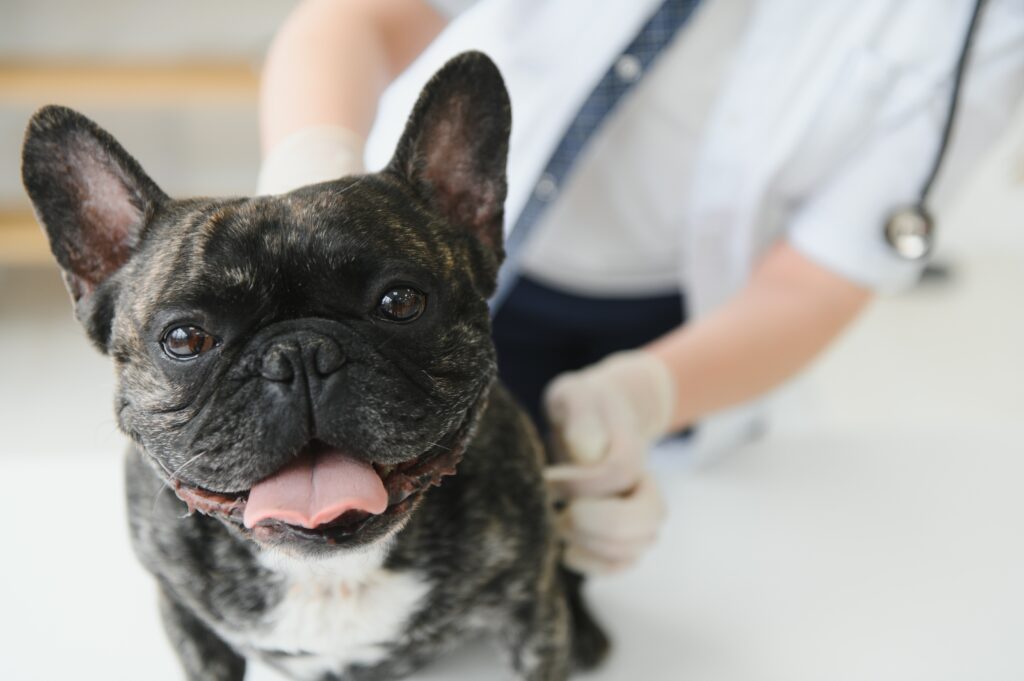
October is National Pet Wellness Month, and it’s an ideal time to review your animal companion’s health care program, which aids in maintaining and promoting health and well-being. One of the key components in preventing illness and maintaining health in our pets is scheduling regular veterinary visits to keep your pet’s overall health in check. In addition to routine check-ups, read below for helpful ways to keep your pet healthy.
Prevent Fatal Diseases with Parasite Control
With puppies and kittens, it is especially important to protect against certain core viral infections with timely vaccinations. Annual microscopic stool exams for parasites should also be performed. Because heartworm disease is a threat in most states, regular heartworm testing and monthly heartworm preventatives are recommended.
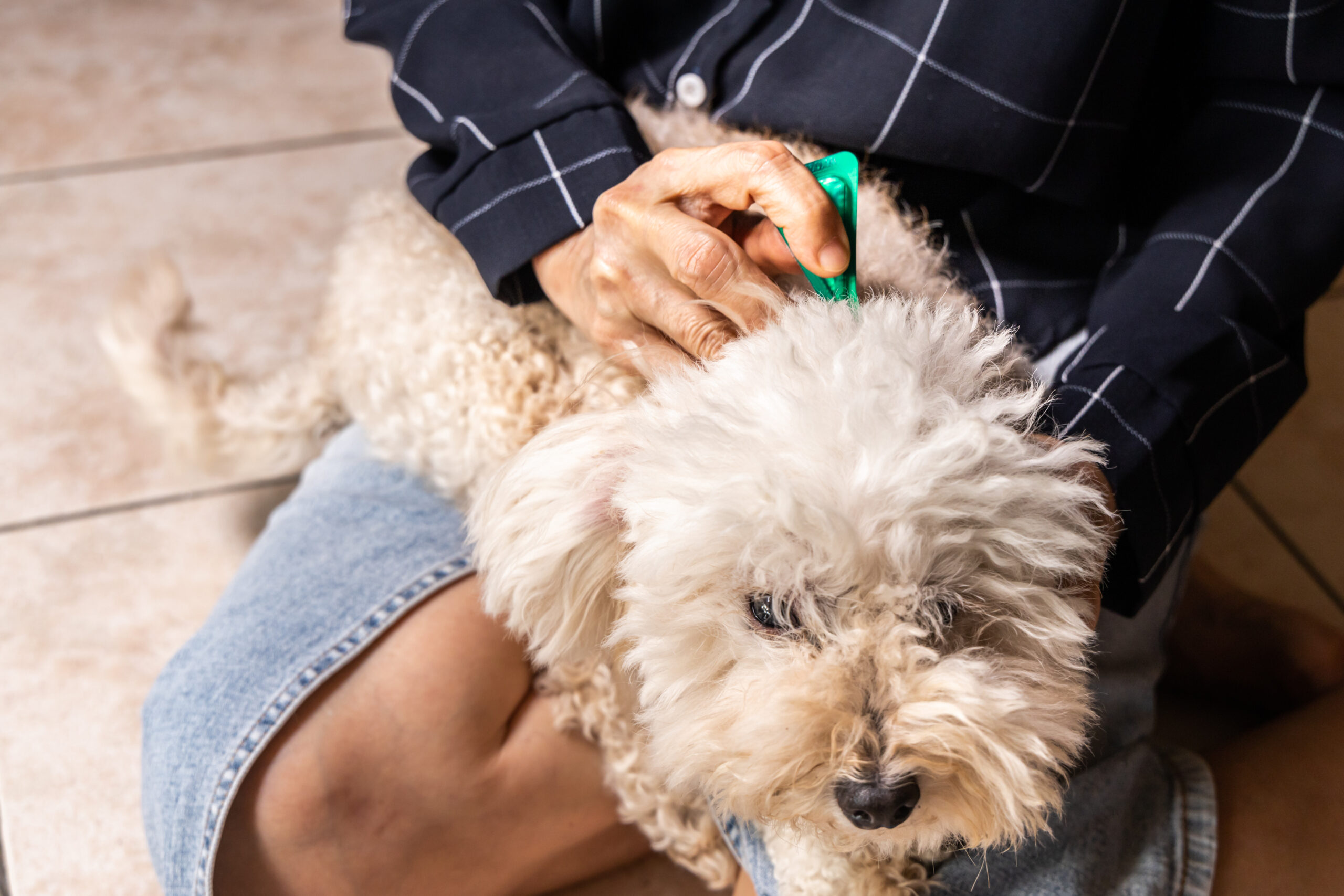
Due to increasing awareness of flea- and tick-transmitted diseases, pet owners may want to consider implementing a monthly flea and tick control program, including products such as Frontline Plus or NexGard Chewables.
Maintain Your Pet’s Oral Hygiene
Given the link between periodontal disease and chronic illness in pets, this is also an excellent time to discuss routine dental care with your veterinarian and begin a dental hygiene program. Over three-quarters of adult pets have some degree of dental disease and may need an ultrasonic scaling and cleaning performed under sedation. Following such a cleaning, effective pet dental products — including C.E.T. Enzymatic Toothpaste and Be Fresh Dental Care Solution — can help limit the development of dental tartar.
Keep Up with Your Pet’s Vaccinations
As pets get older, the need for many vaccinations decreases; however, twice-yearly veterinary examinations are still recommended. This is especially important if animals are experiencing chronic changes in thirst, appetite, or weight, or chronic digestive, urinary, or respiratory symptoms. In most adult pets, blood wellness testing is recommended to check liver, kidney, thyroid, and pancreatic function and to detect early signs of developing disease.
If you are unsure whether your pet is due for his or her next vaccine, check out our Vaccination Schedule.
Have Your Pet Spayed or Neutered
Spaying and neutering will help control an already severe pet overpopulation problem, as well as prevent deadly uterine infections, mammary cancer, and certain types of prostate disease in male pets. Because of the protective effects of sex hormones on bone and joint health and certain cancers later in life, it is recommended to wait until pets are sexually mature if possible before spaying or neutering.
Feed Your Pet a Healthy, Balanced Diet
Probably the most important part of a wellness program is putting pets on a healthy diet to help maintain ideal weight. In general, a fresh diet — when possible — with whole meats or meat meals as the main ingredients is recommended, as well as foods with minimal preservatives, by-products, and additives. Cheaper, less digestible protein sources such as corn, wheat, and soy are best avoided.
There is varied and conflicting evidence on what constitutes the “ideal” diet, but a properly formulated homemade balanced diet is generally considered optimal. Requirements will vary depending upon age, breed, and overall health. It is important for homemade diets to be prepared correctly to avoid severe nutritional deficiencies and toxicities. If a homemade diet is not feasible, feeding trustworthy, minimally processed natural commercial pet foods is a solid alternative.
Promote Your Pet’s Overall Health with Supplements
Most pet owners are encouraged to supplement their pet’s diet with certain products to support overall health and well-being. Recommendations will vary depending upon age and overall health. Because most foods are processed to some degree, an excellent quality multivitamin or whole food supplement — such as Super VitaChews Soft Chews or NutriCal — is a good starting point.
There is also significant scientific evidence supporting the health benefits of adding omega-3 fatty acid supplements to pets’ diets at all ages. Excellent examples include Super Pure Omega 3 Bite-Sized Chews and Nordic Naturals Omega 3-Pet. Browse the full range of vitamins and supplements for pets to find the right fit for your companion.
Probiotics and Antioxidants
Probiotics and enzymes are essential for digestive and overall health in pets of any age. Good options include NaturVet Digestive Enzymes Plus Probiotic and Fast Balance-G.I. As pets age, they face an increased risk of inflammatory and degenerative diseases, making antioxidants an essential addition to any supplement program. Proanthozone is a well-regarded antioxidant that is also excellent for middle-aged and older dogs and cats prone to joint and spinal disease.
Joint Supplements
While there is limited evidence that glucosamine and chondroitin products prevent arthritis and joint disease, including them as supplements — especially in large-breed dogs — may help improve mobility and comfort. Products such as Super Joint Enhancer and the Glyco-Flex line from Vetri-Science have shown effectiveness in traditional veterinary practice.
No matter what age your pet is, keeping him or her in good health is the key to a long, happy life with you and your family. Take some time for your pet this month and make sure he or she is in tip-top shape!