Is there a specially abled pet in your life? Or have you ever wondered what it’s like to have a cat or dog with a disability? May 3rd is National Specially Abled Pets Day, coined by pet lifestyle expert Colleen Paige as a day to learn about and celebrate pets with special needs and those who love them.
Dogs and cats with disabilities are, in many ways, like any other animal. They just need a little extra care — and have a whole lot of extra love to give in return. Learn what it takes to have a specially abled pet and how you can manage any challenges that come your way.
1. Connect With Your Community
Caring for a specially abled pet comes with unique challenges, but you can find communities of pet parents who can offer advice, a place to vent, laugh, and start friendships. Look for groups on social media, meet-ups, and classes, or start your own community of fellow special needs pet parents who just “get it.”
Sometimes, specially abled pets also help foster connections between people, especially when it comes to those who also have disabilities. Friendly pets make great therapy animals, visiting schools, nursing homes, and hospitals to educate, comfort, and connect with people of all ages.
2. Stick To a Routine
Most pets thrive on routine, but this is especially true for pets with special needs — particularly those that require medications, potty stimulation, or other tasks done on time. Lump together routine tasks when you can, with visual cues to keep you on track. For example, you might keep your pet’s medication next to your car keys so you remember to give it before you go to work.
Coordinating Care With Your Household
Coordinate your pet’s routine with other family members to ensure that meals and medications are not given more than once, and to make sure that more than one person knows your pet’s complete routine. You can use:
- Phone apps
- Online calendars
- Hand-written notes
- A dry-erase board
Plan ahead in the event you are unable to be home, or one of your pet’s other primary caretakers is not available. It is smart to have one or more emergency contacts, like a professional pet sitter, who has access to your home, knows your pet, and is experienced with pets with similar needs.
3. Keep Your Pet on the Move
It is not uncommon for people to think that specially abled pets can’t play, don’t like to go for walks, or have to stay inside all day — but as you know, that couldn’t be further from the truth. For just about everything a typical dog or cat enjoys, there are accommodations for pets with special needs.
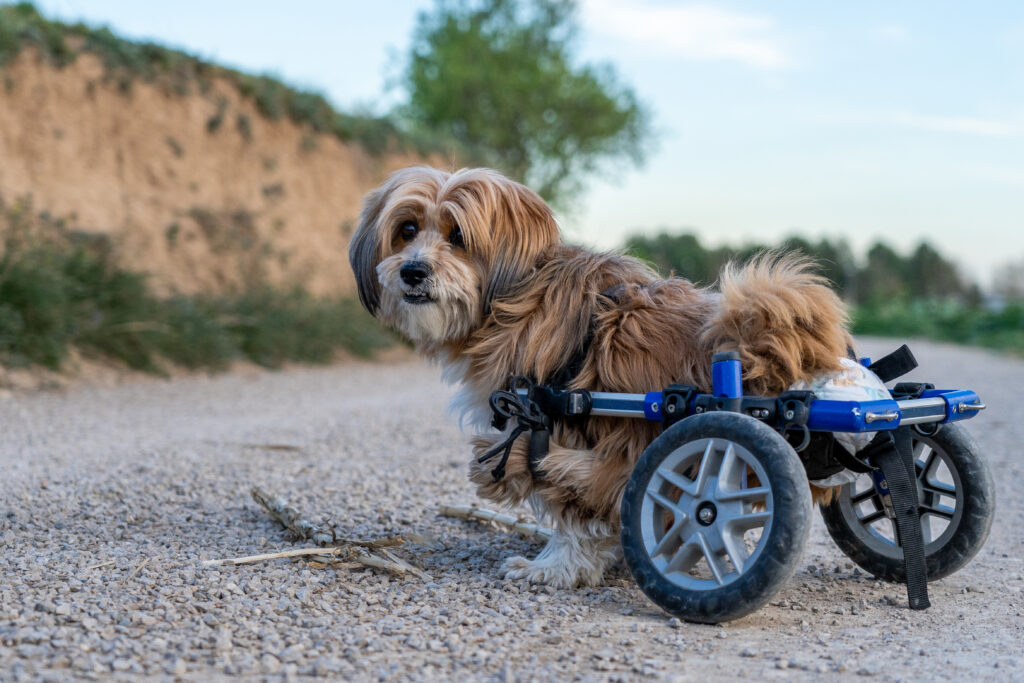
Pets with limited mobility might not take long walks or hikes, but they can still go out in a pet stroller or a pet backpack carrier so they can come along for adventures. Talk to your vet about the best ways to make sure your pet gets enough exercise while keeping them safe and comfortable. For pets that can still exercise, regular activity can help:
- Reduce pain
- Strengthen muscles
- Improve balance
Supporting your pet’s joints with the right hip and joint supplements can also play an important role in keeping them comfortable and mobile.
4. Get Creative
While there are plenty of books and guides to raising all breeds of dogs and cats, there are often gaps in information and a lack of tools that apply to your pet’s specific special needs. It can be tough to overcome challenges that most pet parents will never face. By getting creative, being resourceful, and not being afraid to “make it up as you go along,” you’ll find that anything is possible.
You can find mobility gear like steps, lift harnesses, and slings. And just like the inventors of pet accessibility aids such as Muffin’s Halo for visually impaired pets and K9 Carts Wheelchairs for those with mobility impairments, being your pet’s best advocate can sometimes mean being innovative when the resources your pet needs don’t yet exist.
5. Share the Love
When you take your pet out in public or share photos and videos on social media, you are sure to get plenty of questions, especially from those who have never cared for a specially abled pet. Learn as much as you can about your pet’s needs and, whenever you can, share the love and knowledge with whoever is willing to listen.
There is so much stigma and misinformation surrounding dogs and cats with disabilities and special needs, and sometimes humans require more patience than animals do when it comes to learning something new. Sharing a personal connection with your pet — whether that means telling the story of how you brought them home, why they have special needs, or simply why you love them — can make all the difference.