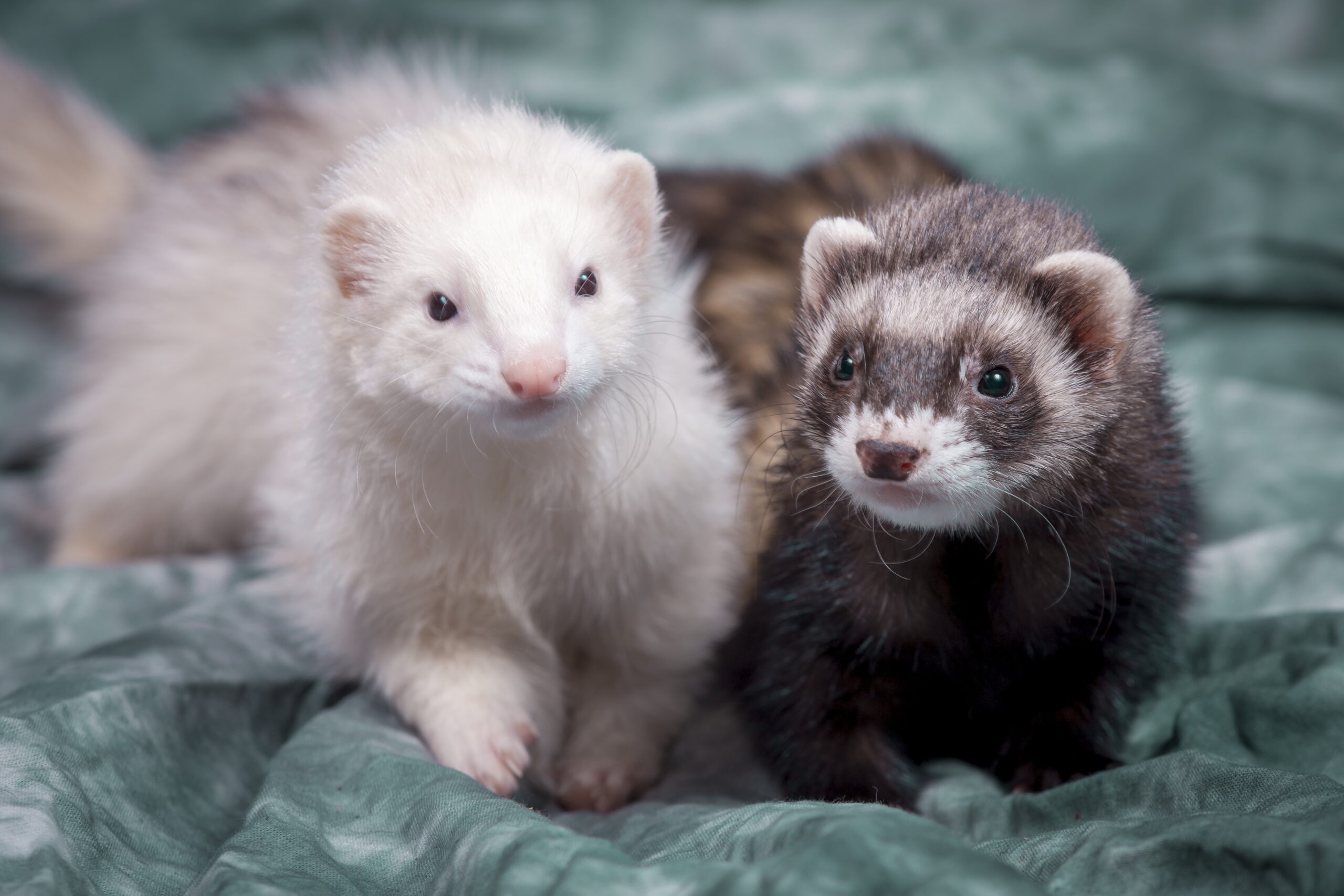
Can Ferrets Get Fleas?
Just like cats and dogs, ferrets can and do get fleas. The most common type of flea found on ferrets is the cat flea (Ctenocephalides felis); however, ferrets that go outdoors may pick up other types of fleas. When ferrets get bitten by fleas, they may experience allergic reactions to flea saliva that could result in itching, skin irritation, infections, and hair loss. Ferrets can also get tapeworms from swallowing infected fleas while self-grooming.
Is There Flea Medicine for Ferrets?
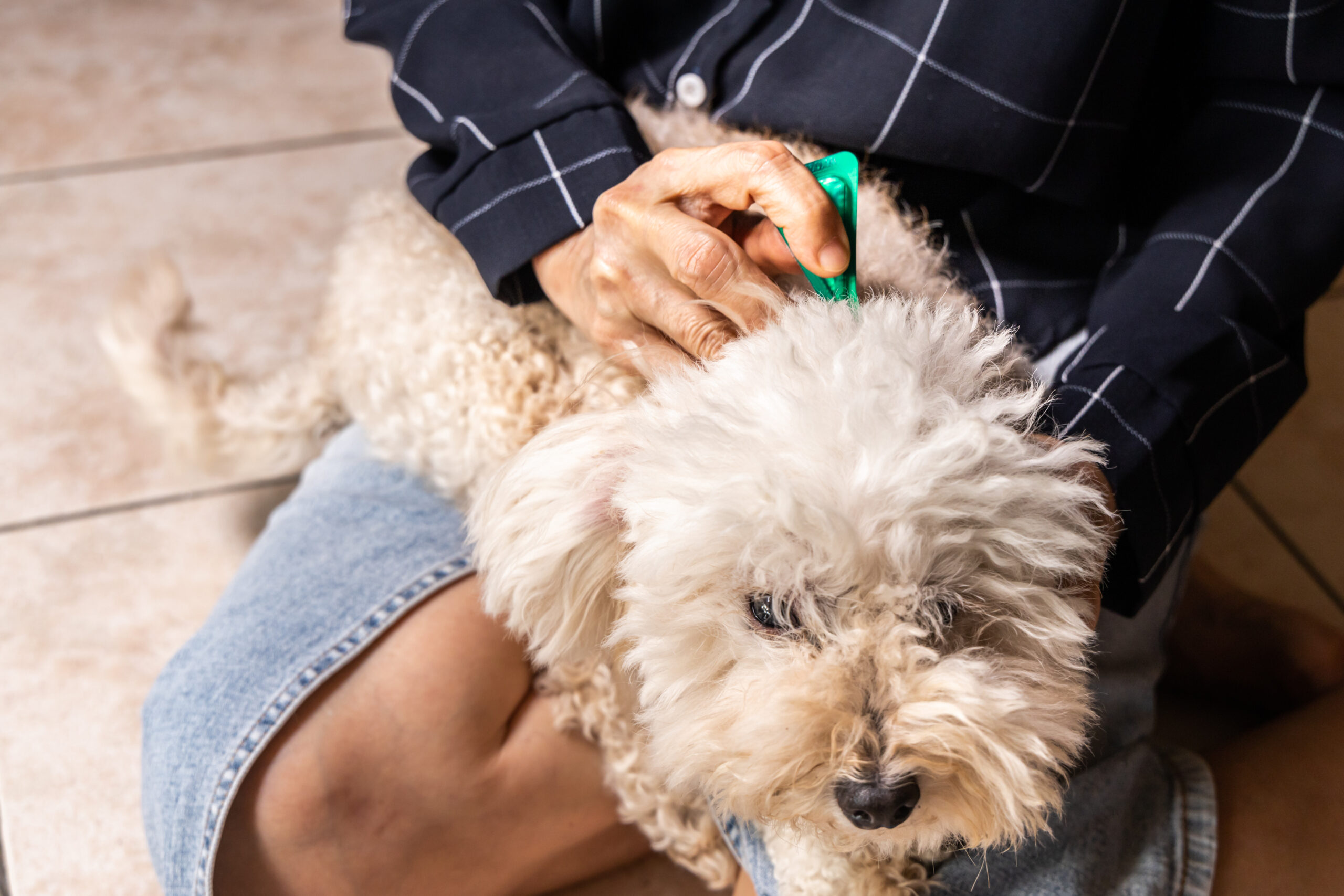
You can protect your ferret against fleas and the damage they could cause to your pet’s health by using monthly flea prevention. The easiest way to prevent fleas from making your ferret their home is by using a topical monthly flea preventative. This gives your pet continuous protection against fleas without the struggle of trying to give your pet an oral medication. However, it is very important that you only use a flea prevention product that has been specifically approved for use on ferrets.
Advantage II for Small Cats Now Approved for Ferret Flea Control
Advantage II for Small Cats weighing 5 to 9 lbs has recently been approved for ferret flea control. Ferrets must weigh 1 lb or over and be 10 weeks of age or older. This effective topical flea preventative offers a full month of protection against adult fleas, and also kills all other stages of the flea lifecycle, including flea eggs and larvae. This helps to prevent reinfestation. Advantage II is easy to apply, and it is waterproof, so it remains effective even if your ferret gets wet. Even bathing will not reduce the effectiveness, as long as you use a shampoo that is soap-free.
This monthly flea preventative for ferrets has two active ingredients that work together for effective ferret flea control:
- Imidacloprid affects the flea’s nervous system, causing paralysis and eventual death of the flea. After approximately 12 hours of application, 98 to 100 percent of fleas will be dead.
- Pyriproxyfen prevents flea eggs from hatching, which in turn prevents the development of all subsequent flea life stages and helps end the flea lifecycle.
Another benefit of Advantage II is that fleas are killed on contact, so your ferret does not have to first get bitten by the flea in order for the active ingredients to effectively kill fleas. Flea bites often cause skin allergies that can result in itching, skin irritation, and hair loss. Fleas may also infect pets with tapeworms, so killing fleas before they bite is important to your ferret’s overall health.
Treating Your Home for Fleas
If you find fleas on your ferret, it is highly likely that there are many more hiding in upholstery, carpets, and elsewhere in your home. It is important to clean your ferret cage as well as your entire home thoroughly.
To help eliminate fleas in your environment:
- Wash blankets and bedding regularly
- Vacuum floors, rugs, and furniture
- Treat your home and yard with flea control products
For environmental control solutions, visit 1800petmeds.com.
Taking a combined approach of treating your pet and your home will help effectively eliminate flea populations and keep your ferret comfortable and healthy.