
Heartworm Prevention for Cats
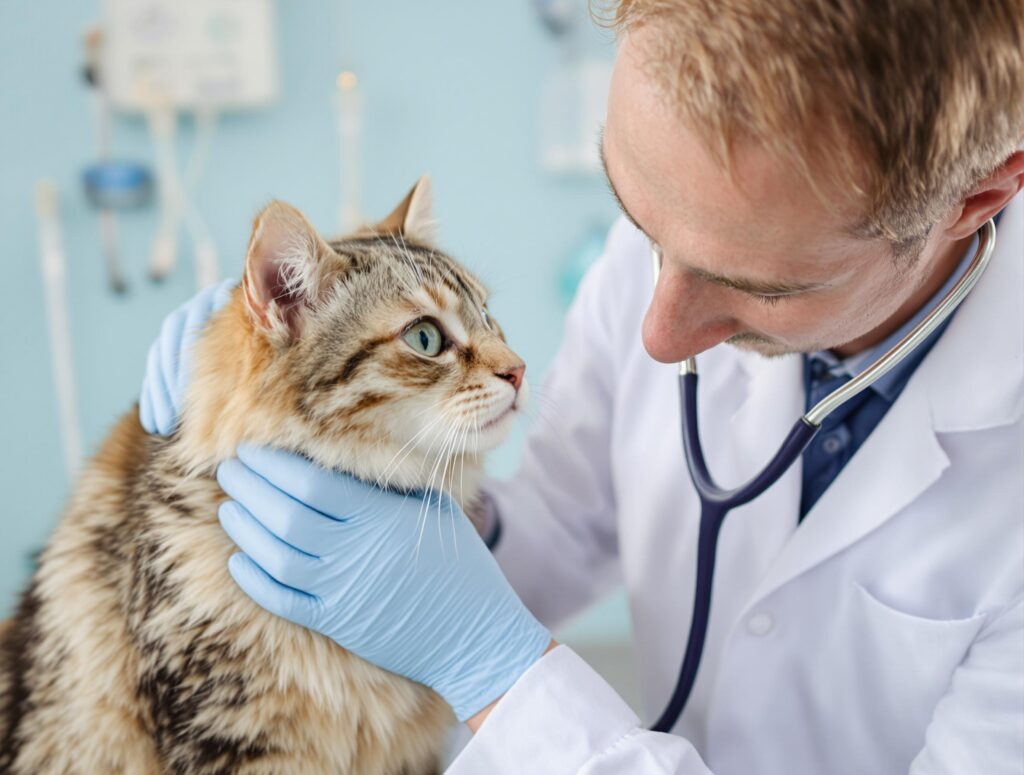
Heartworm infection occurs when a mosquito carrying infective heartworm larvae bites into a cat for a blood meal. It is crucial to give your cat heartworm prevention medication every month to prevent the spread of the disease if such a mosquito bite occurs, because heartworm infection is fatal for cats. Currently there is no approved […]
Addison’s Disease Treatment for Dogs

If your pet has a sudden, severe onset of Addison’s disease, it is a medical emergency. Your pet will likely receive IV fluids and short-acting cortisol, such as dexamethasone. If your pet has a more chronic incidence of Addison’s disease, it will be prescribed daily glucocorticoids, such as Prednisolone, and/or mineralocorticoids, such as Fludrocortisone. Or, […]
Lyme Disease Prevention for Dogs

As with most diseases, Lyme disease is easier to prevent than it is to treat. If your pet becomes diagnosed with Lyme Disease, it can cause symptoms of severe joint pain (similar to arthritis), fever, and lameness. But there’s no need for your pet to be at risk! With the variety of popular pet medications, […]
Canine Hypothyroidism Treatment

Treating hypothyroidism For canine hypothyroidism, thyroid hormone supplements are the best treatment. Levothyroxine is the medication used, either once or twice a day. Medication is begun slowly and is adjusted until the proper blood level is achieved as measured by T3/T4 and TSH levels. Once the medication is begun, improvement is seen in a few […]
#1 Tip for Preventing Fleas & Heartworms

Our vet’s #1 tip for preventing flea & heartworm infestation is simple: Be Consistent! Never miss a dose. Preventing fleas and heartworms from taking hold of your pet and your home is the key to responsible pet parenting. The benefits of flea and heartworm prevention far outweigh the drawbacks in terms of your pet’s overall […]
Treatment for Limping in Dogs

How are limps treated in dogs and cats? The treatment of limping in dogs and cats will depend upon the degree and severity of the limping, as well as the underlying cause found through careful diagnostic testing. Treatment may include antibiotics for tick-borne or infectious causes of limping. Splinting and/or pinning and plating may be […]
What Causes Fatty Skin Tumors in Dogs?
A fatty tumor (or lipoma) in dogs is one of several different types of skin tumors. It is a slow-growing collection of fat cells usually found just under the skin. Fatty tumors are different than normal fat because they form lumps rather than a flat layer under the skin. Fatty tumors are benign, which means […]
Heartworm Treatment for Dogs
Heartworm treatment Heartworm positive dogs are hospitalized and given an injection of melarsomine (Rx) (brand name–Immiticide) to kill the adult worms. A second injection of melarsomine is given 24 hours later. This treatment is effective but harsh. Some pets may develop life threatening reactions to the heartworm treatment itself, which is why they must be […]
Separation Anxiety in Cats

What is separation anxiety? When your dog or cat has separation anxiety your pet becomes anxious because he or she is away from you. Pets exhibit separation anxiety with both physical and psychological problems. Many social animals—birds, horses, whales, monkeys—experience separation anxiety because they are genetically programmed to live within a social structure strengthened by […]
Separation Anxiety Treatment for Dogs

Treatment options for pets with separation anxiety Treating pet separation anxiety requires you to desensitize your pet so your pet is no longer anxious as you come and go. Desensitizing requires you to start with behaviors that don’t cause anxiety and gradually progress to behaviors that have caused anxiety in the past and you want […]
Why Does Arthritis In Dogs Get Worse in Winter?

For dogs and cats with arthritis, symptoms can change from day to day. And as cold weather sets in, it’s almost inevitable that arthritic pets will experience notably more pain and stiffness. Learn how the cold can affect your pet’s joints and what you can do to help your dog or cat stay warm and […]
How to Treat a Poisoned Dog

Notify your veterinarian. Your pet has the best chance of survival if you get help immediately. Keep your pet calm. If the poison is on your pet’s skin, bathe him or her. Rinse. Rinse. Rinse. If the poison was ingested, get a sample of the poison’s container so your veterinarian can determine the best treatment. […]
Hot Spots Treatment

Preventing hot spots Hot spots are prevented by preventing fleas. The most common methods of flea prevention include topical flea medication and oral flea medication. Some of the most effective topical medications include Frontline Plus and and K9 Advantix II. These products begin killing fleas within minutes. Topical Revolution also kills fleas, but requires at […]
Deworming Treatments for Dogs

Deworming medications (antihelmintics) are used to rid pets of intestinal worms. No single dewormer removes all types of worms, but many deworming products are effective for more than one type. Generally, products that are effective against round-shaped worms (rounds, hooks, and whips) are not effective against flat-shaped tapeworms. Several heartworm medications have added ingredients that […]
Lymphoma Treatment for Dogs
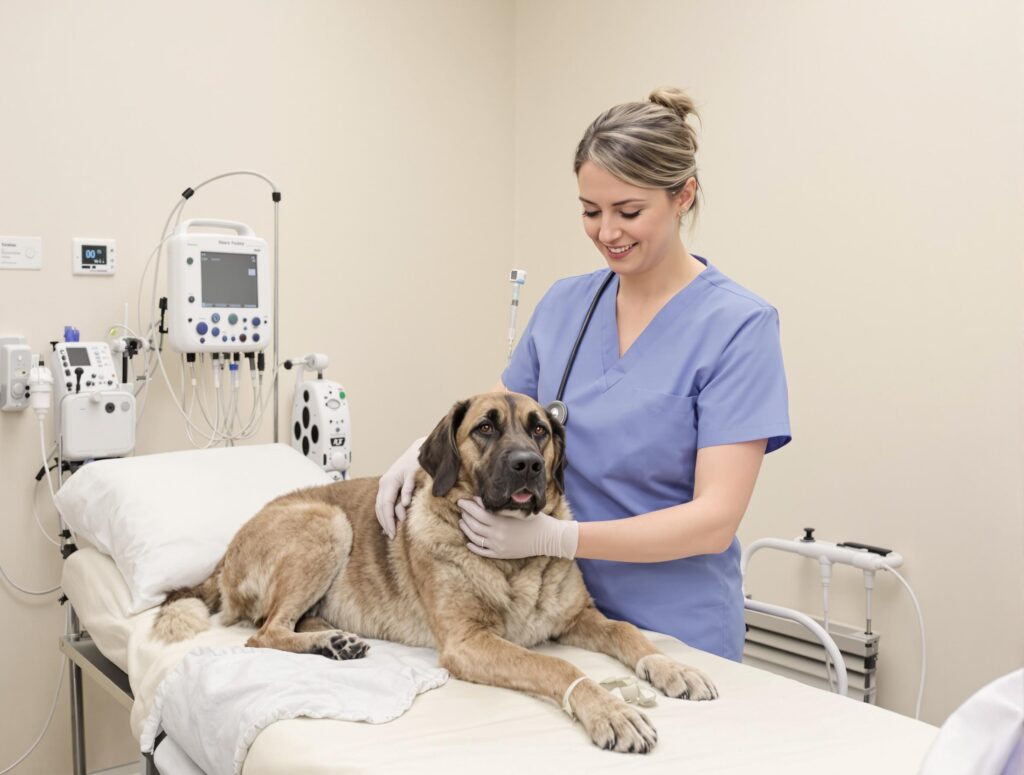
Treatment options for pets with lymphoma The treatment of choice by most veterinarians for pets with lymphoma is chemotherapy. Rather than relying on surgery or one medical agent, most protocols will use a combination of different drugs to achieve the best possible results. Depending on the tumor location and the advanced nature of many cases, […]