
What Dog Parents Should Know About Hip Dysplasia
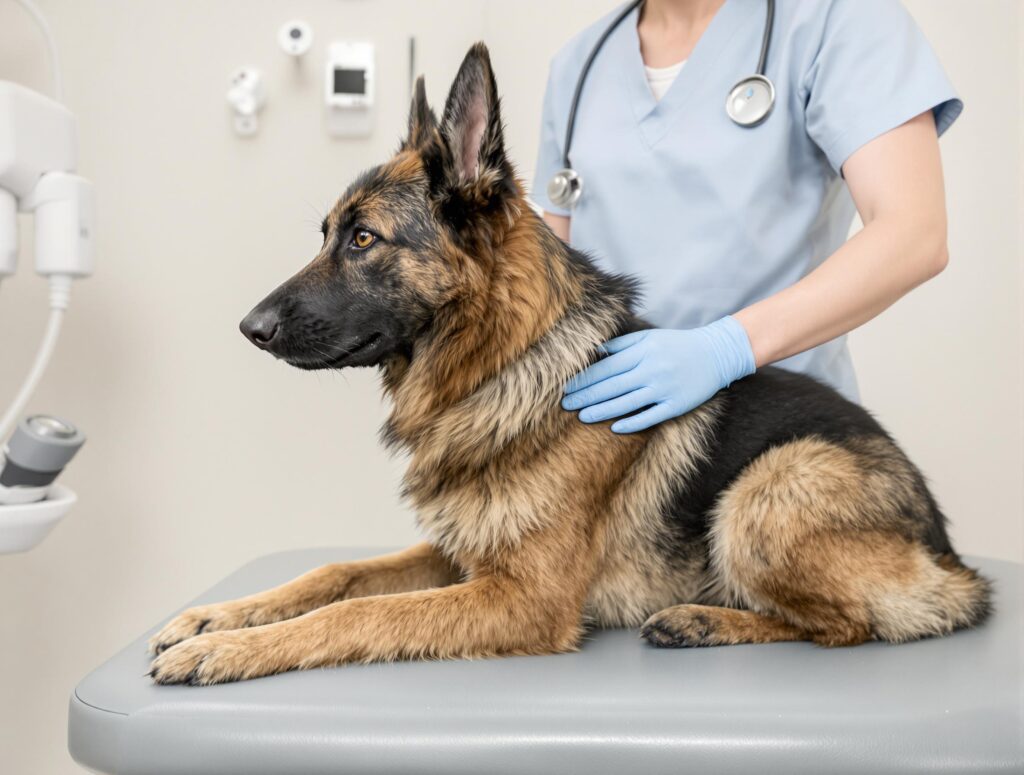
Hip dysplasia, a painful malformation of the hip joint, is most common in large breed dogs like German Shepherds, Great Danes, Saint Bernards, Golden Retrievers, and Labrador Retrievers, though it’s seen in dogs of all breeds and sizes, as well as in cats. In recognition of Animal Pain Awareness Month, learn about the risk factors, […]
What To Do If Your Cat May Have Been Poisoned

In 2023, the ASPCA Animal Poison Control Center assisted over 400,000 cases of poisoning on dogs and cats. This figure doesn’t include countless thousands of pets treated through other means, like the Pet Poison Helpline, at vet clinics and at emergency vet hospitals. Pets can be accidentally poisoned after consuming toxic foods and household chemicals. […]
Nutritional Support For Cats With Chronic Kidney Disease
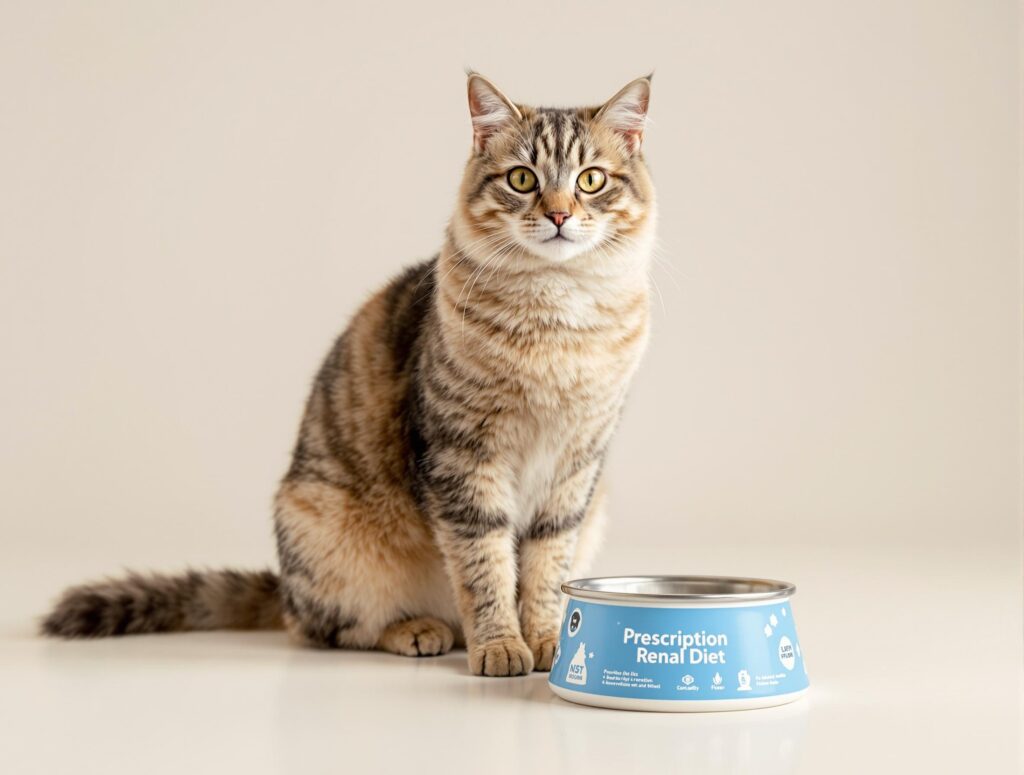
When your best feline friend is diagnosed with chronic kidney disease, making changes to their diet is one of the most important aspects of managing their condition. But some cats struggle to adjust to dietary changes, especially when their CKD makes them lose their appetite. Prescription Diets For Chronic Kidney Disease Cats with chronic kidney […]
Bladder Stone Symptoms in Dogs

Symptoms of pet bladder stones Painful urination with urgency Bloody urine Restlessness Inappropriate urination in the home Interestingly, some pets may exhibit no clinical signs of bladder stones at all, with the stones often being diagnosed when your pet has an X-ray for some other health reason or clinical complaint. Other pets will commonly experience […]
Can A Vaccinated Dog Get Rabies?
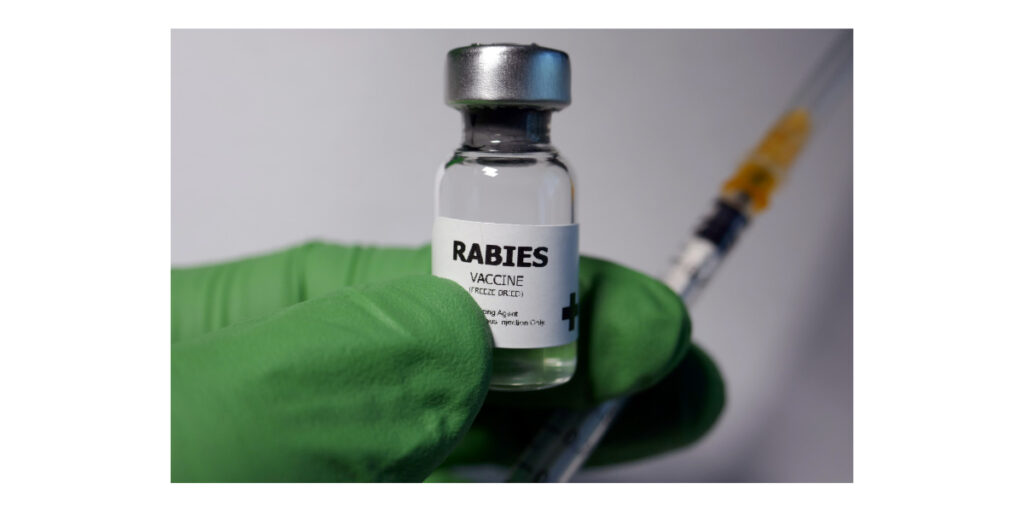
September 28th is World Rabies Day, a day of international awareness of a viral disease that fatally attacks the nervous system. Across the world, rabies takes the lives of over 50,000 humans annually. Though the disease is rare in the United States due to widespread vaccination, it still affects around 60 dogs and 250 cats […]
What Every Dog Owner Should Know About Heartworm Disease

Is Your Dog At Risk for Heartworm Disease? As pet parents, we know that there are many risks to our dogs’ health that we cannot prevent. Heartworm disease, however, is virtually 100% preventable, yet over 100,000 dogs suffer from this life-threatening disease in the United States each year. Learn why heartworm disease is on the […]
Horse Ulcer Symptoms

Signs Your Horse May Have an Ulcer Common horse ulcer symptoms include: Many things may make us suspect a horse has ulcers, such as blood in the stool, loss of appetite, and poor performance without any problems with the legs or feet. Tooth grinding, called bruxism, is a sign of pain. Foals with painful ulcers […]
What Are The Signs Of Ringworms In Cats?
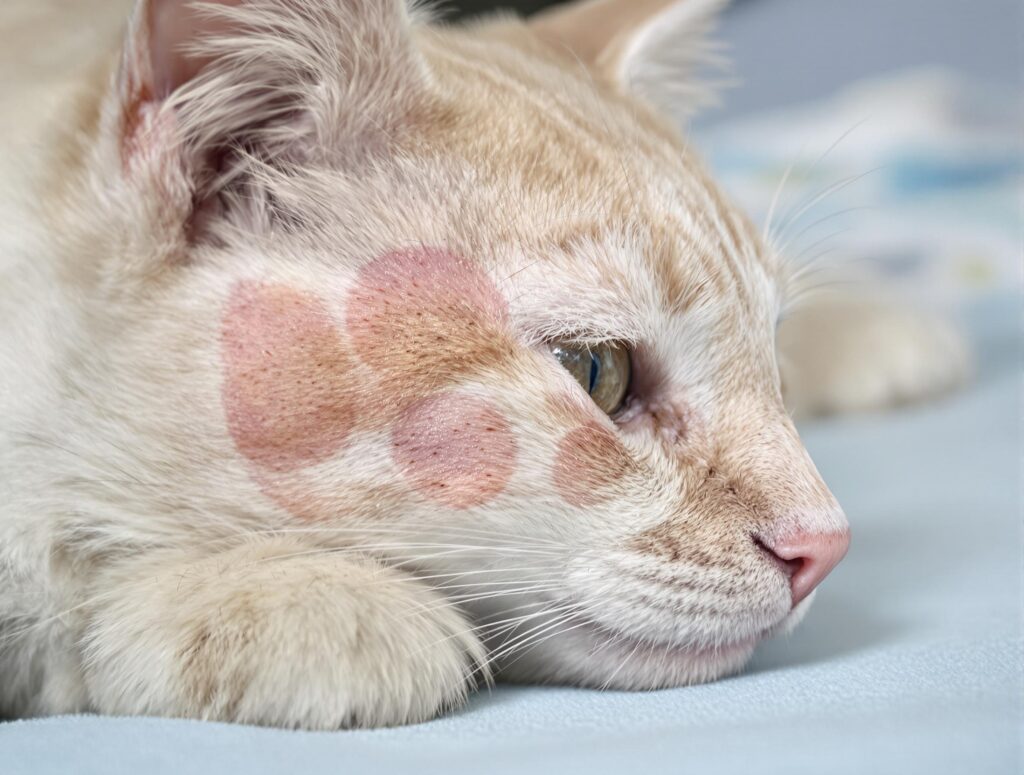
If your pet seems to be itching and scratching more than usual, ringworm could be the culprit. Ringworm is not a parasite, but a fungus that thrives on keratin, a protein that forms hair, skin, and nails. Symptoms of ringworm in pets can range from mild to severe, or may not be apparent at all. […]
Kidney Disease Treatment for Cats

Treatment options for pets with kidney disease Kidney transplants are available at select research institutions, but in most cases there is no known way to repair your pet’s damaged kidneys. An attempt can be made to slow down the rate of progression of kidney disease and allow your pet’s body to handle the situation as […]
When To Switch From Kitten Food To Adult Cat Food

Is your kitten ready to graduate from kitten food to a new, grown-up diet? The average domestic cat is finished growing by their first birthday, though they may not completely fill out until 2-3 years of age. You can generally transition from kitten food to adult cat food around 9 to 12 months. Large breeds […]
What Is Hip Dysplasia in Dogs?
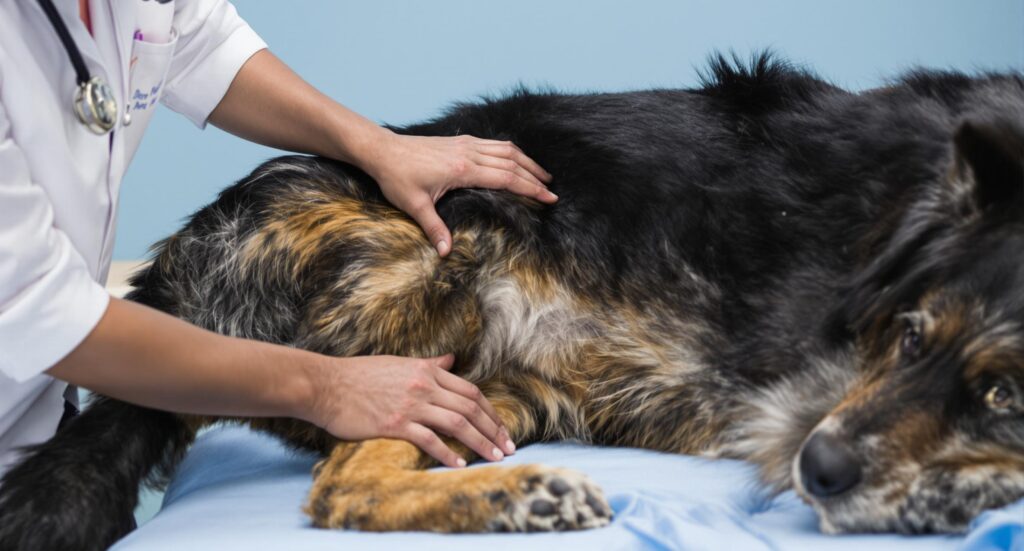
The word “dysplasia” means abnormal growth or structure. If your dog has canine hip dysplasia the leg bone and pelvic (hip) bone don’t fit like a ball into a catcher’s mitt because the cup formed by the pelvic bone is too shallow. The leg bone slides out of the pelvic socket and may dislocate. Painful […]
Horse Ulcer Treatment
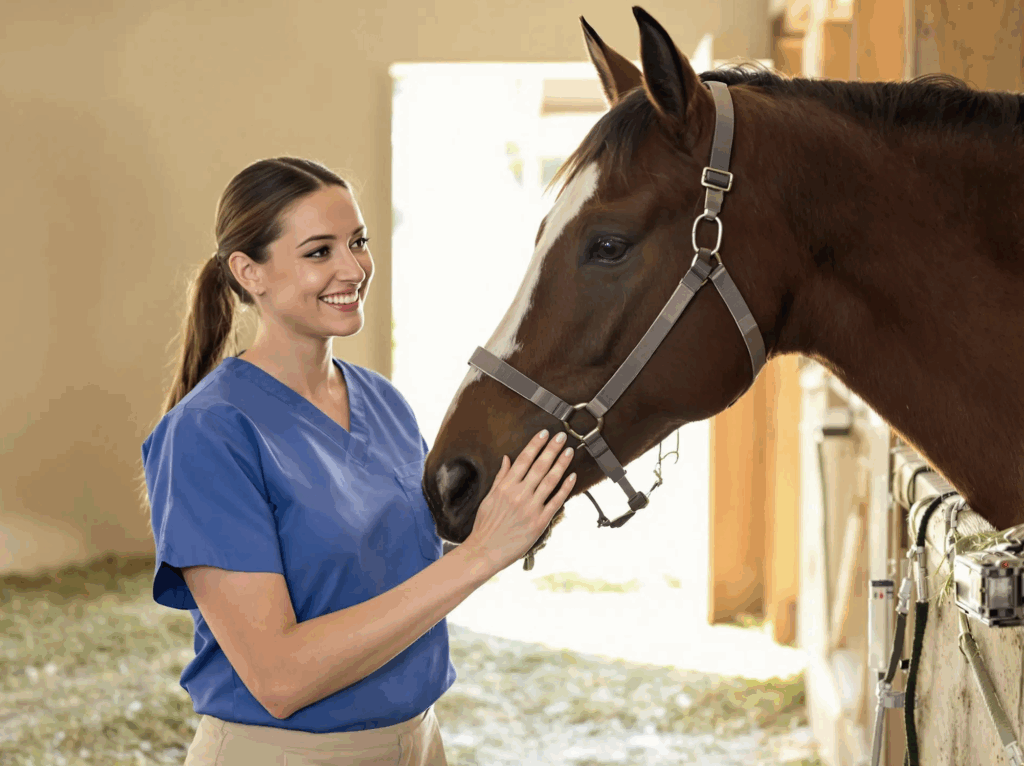
Horse Ulcer Treatment Options When treating horse ulcers, GastroGard (Rx) is given once a day for 28 days. It is possible to use UlcerGard to treat ulcers by increasing the dose, which means giving an entire tube rather than one-quarter tube per day. This increases the dose to 4 mg per kg and can be […]
Symptoms of Worms in Dogs

Pets with intestinal worms experience a range of symptoms from anemia, malnutrition, and death to no symptoms at all. Intestinal worms compete with the pet for nutrients so that a pet with a heavy worm burden looks malnourished and has a swollen belly. The hair is often dry, dull, and coarse. There can be mucoid […]