Key Takeaways
- Patience and gradual introduction are vital for successful harness training, allowing each cat to acclimate at their own pace.
- Choosing the right harness tailored to your cat’s comfort and body type enhances their outdoor experience and security.
- Harness training transforms a cat’s routine with enriching, safe outdoor adventures, fostering physical activity and mental stimulation.
Why You Should Harness Train Your Cat
Harness training opens up a whole new world for your indoor cat. It allows them to stretch their legs, satisfy curiosity, and safely enjoy outdoor enrichment. With proper training, cats can experience the outdoors without the risks associated with free roaming.
Cats are unique—some are curious explorers, while others prefer observing from the window. No matter their personality, a slow and gentle approach helps every cat feel comfortable with their new routine. For more expert tips, PetHealthMD offers helpful advice to get your cat walking confidently outdoors.
Step 1: Choose the Right Cat Harness
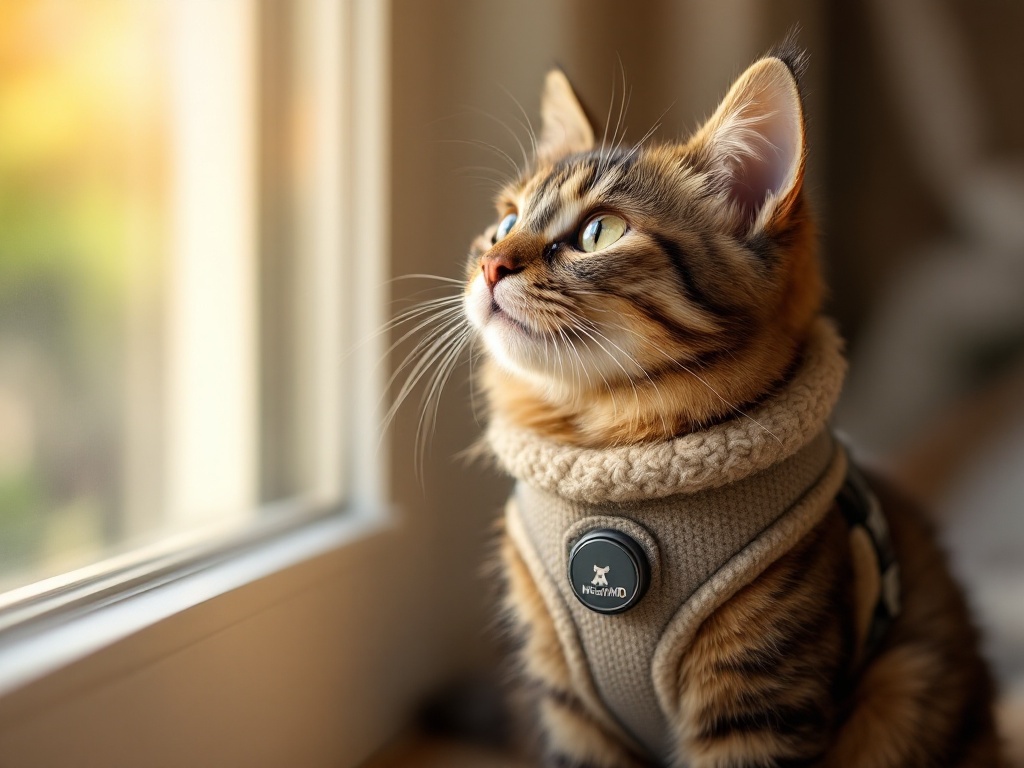
Selecting the correct harness is the foundation of safe cat walking. Look for lightweight, breathable materials like mesh or padded fabric for comfort. Measure your cat’s chest and add two inches for the perfect fit. A snug but flexible harness ensures security without restricting movement.
Opt for adjustable H-style or jacket-style harnesses with durable clips. Perform the two-finger test—if you can slip two fingers under the harness, it’s secure but not too tight. Slim cats often prefer H-styles, while larger cats may find jacket designs more comfortable.
Step 2: Introduce the Harness Slowly
Before putting the harness on, let your cat investigate it. Place it near their favorite resting spots or toys so they can sniff and explore. Encourage positive associations with treats and praise. Keep sessions short—five minutes at a time—to build trust.
Some cats adjust quickly, while others may need days or weeks. Patience and encouragement are key to making this step enjoyable for both of you.
Step 3: Practice Harness Use Indoors
Once your cat is familiar with the harness, start practicing indoors. Begin with short sessions of 5–10 minutes. Reward calm behavior and let them explore naturally. If your cat shows signs of stress, pause and try again later.
You can make indoor practice fun with obstacle courses or toys. Always ensure the harness fits properly and doesn’t rub or irritate your cat’s skin.
Step 4: Add the Leash and Begin Indoor Walks
When your cat feels comfortable in the harness, attach a lightweight leash. Let it drag behind them at first, then gradually take gentle control. Avoid pulling or forcing movement. Let your cat lead and use treats to encourage exploration.
Start in a quiet room, keeping distractions minimal. This step builds confidence and prepares your cat for the sights and sounds of the outdoors.
Step 5: Take Your Cat Outside for the First Time
Choose a calm, quiet area for your first outdoor adventure—your yard or patio works best. Keep the first sessions brief, around five minutes, and offer treats for encouragement. Watch your cat’s body language: relaxed ears and a high tail show confidence.
Just like Bella, the cat who took her first outdoor walk nervously but grew confident over time, your pet will adapt with consistency and positive reinforcement.
Step 6: Ensure Safety and Comfort
Before each outdoor session, double-check the harness for a proper fit. Seasonal changes can affect how snug it feels—coats in winter or shedding in summer may require adjustments. Inspect straps for wear and make sure your cat is moving comfortably.
For added safety and comfort, consider consulting your veterinarian about your cat’s physical health before regular walks.
Step 7: Extend Outdoor Time Gradually
As your cat gains confidence, slowly increase the duration of your walks by 5–10 minutes. Choose calm times of day such as early morning or evening. Bring treats and celebrate milestones, like your cat’s first tree sniff or new favorite spot.
For additional supplies to support your outdoor adventures, explore Cat Supplies on 1800PetMeds.com.

Cat Harness Training FAQs
How can I tell if the harness fits correctly?
Slip two fingers under the harness—it should be snug but not tight. If you notice red marks or discomfort, adjust the fit or consult your vet.
What if my cat is afraid of the harness?
Many cats freeze or roll over the first time. Stay patient, use treats, and reward small steps. Most cats will warm up with gentle exposure.
Which cat harness style is best?
H-style harnesses are ideal for simple walks, while vest or jacket styles provide more security for active or new cats. Choose based on your cat’s size and temperament.
How long should we practice harness training?
Start with five-minute sessions twice daily. Extend gradually as your cat shows comfort and interest.
How do I know my cat is ready for outdoor walks?
If your cat walks confidently indoors and shows excitement when you pick up the leash, it’s time to venture outside.