Key Takeaways
- Prompt treatment of cat eye infections can help prevent complications and maintain your cat’s clear vision.
- Environmental irritants, viruses, and bacteria are common causes of cat eye infections; understanding these can help create a safer environment.
- Regular eye checks and a healthy lifestyle, including a balanced diet and regular vet visits, are vital for preventing cat eye infections.
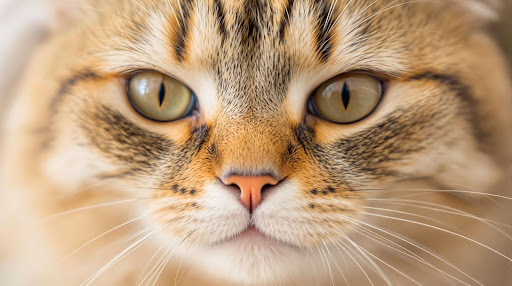
It’s common for cats to develop mild eye issues, especially during things like upper respiratory infections. In fact, eye discharge or redness is often one of the first things you’ll notice when something’s off.
The good news is that most cat eye infections are manageable, especially when you spot the signs early. Paying attention to seasonal patterns, like an uptick in sniffles during winter, can also help you stay one step ahead. With support from your vet and guidance from PetHealthMD, it’s easier than you might think to keep your cat’s eyes healthy and comfortable.
What Causes Cat Eye Infections?
Cat eye infections usually have a few common causes. Environmental irritants, lifestyle factors, and underlying infections all play a role—here’s how each one can affect your cat’s eye health:
Environmental Irritants
Just like humans, cats can develop eye infections from everyday environmental factors. Common household elements like dust, pet dander, or cleaning products can irritate your cat’s eyes. Even simple activities, like your cat pawing at their face after exploring a dusty corner or getting too close to hanging plants, can lead to eye irritation and create conditions where symptoms of cat eye infection may develop.
Lifestyle and Living Conditions
Your cat’s lifestyle and living space play essential roles in eye health. Indoor cats may face increased risks during winter when closed windows reduce ventilation and increase exposure to indoor allergens. Physical injuries, even minor scratches from playful encounters, can damage the eye’s protective membrane and create openings for infection. Regular monitoring can help catch early signs of corneal ulcers, which might develop from these minor injuries.
Viral and Bacterial Infections
Many cat eye infections stem from viruses and bacteria, with the feline herpesvirus being particularly common in multi-cat households. This virus often surfaces during stressful situations, such as moving to a new home or introducing a new pet. Cats experiencing upper respiratory infections frequently show eye-related symptoms, highlighting how overall health connects to eye wellness.
Symptoms of Cat Eye Infections
As a loving pet parent, knowing the symptoms of cat eye infections helps you spot problems early and keep those beautiful eyes healthy.
Common Early Signs to Watch For
- Occasional clear tears or mild watery eyes
- Gentle rubbing of eyes with paws
- Slightly increased blinking or mild squinting
- Minor redness around the edges of the eye
More Serious Symptoms That Need Prompt Veterinary Care
- Thick yellow or green discharge that sticks around the eyes
- Persistent squinting or keeping eyes tightly closed
- Noticeable swelling or puffiness around the eyes
- A visible third eyelid (looks like a white film across the eye)
- Changes in eye color or cloudiness
- Strong light sensitivity making your cat hide from bright areas
If you notice any of these signs, especially the more serious ones, booking a vet appointment can help prevent complications and keep your cat comfortable.
How To Treat Cat Eye Infections
Finding the proper cat eye infection treatment starts with a visit to your veterinarian. They’ll identify the root problem and create a care plan that might include antibiotic eye drops or ointments.
Most cats begin showing improvement within 3-5 days of starting medicine, though completing the full treatment course is essential.
Giving Eye Drops To Your Cat
These simple steps can make the process easier:
- Find a quiet spot where your cat feels comfortable.
- Clean your hands well.
- Use a warm, damp cotton ball to wipe away any crusty bits gently.
- Hold the medicine about an inch above the eye.
- Apply the drops or ointment as prescribed.
- Give your cat a favorite treat right after.
If it’s a mild infection, just keeping the eye area clean and following your vet’s advice is often enough to help your cat heal quickly. But if it’s something more serious, your vet might recommend special care, including antibiotic drops and something to ease the pain.
As your cat starts to feel better, you’ll probably notice less squinting and clearer eyes with less discharge. If things aren’t improving after a few days, it’s a good idea to check back in with your vet.
Tips To Prevent Cat Eye Infections
Your cat’s eye health starts with prevention. Here are simple, effective ways to protect and keep those beautiful eyes bright and healthy.
Provide Daily Care and Hygiene
- Gently wipe your cat’s eyes each morning using a soft, damp cotton ball, starting from the inner corner and moving outward.
- Keep the fur around your cat’s eyes neatly trimmed to prevent irritation. If you’re unsure about proper technique, ask your groomer for tips.
Create a Healthy Environment
- Make your home a safe space by keeping rooms well-ventilated and regularly dusting surfaces where your cat spends time.
- Wash your cat’s bedding weekly in pet-safe detergent to maintain a clean sleeping environment.
Support Overall Health
- Schedule regular wellness checks with your vet every 6-12 months. They’ll examine your cat’s eyes and catch any potential issues early.
- Support your cat’s natural defenses with a balanced diet, which helps maintain healthy eyes.
Explore Cat Medications on 1800PetMeds.com for vet-approved treatments that support your cat’s overall wellness.
The Holistic Approach to Cat Eye Health
Just like humans, a cat’s eye health reflects what’s happening in the rest of their body. When cats develop health issues like high blood pressure, their eyes are often the first to show signs—in fact, eye problems are the most common symptom in cats with high blood pressure. Watching your cat’s eyes can give you early clues about their overall health.
Good nutrition plays a significant role in protecting your cat’s vision. Feed your cat a balanced diet rich in eye-supporting nutrients, like vitamin A, C, and E. These vitamins help keep the immune system strong and support healthy eyes. Older cats may need extra nutritional support as their bodies change with age. If you’re unsure about the best food choices, your vet can recommend options that match your cat’s age and health needs.
Keeping your cat at a healthy weight through regular play and exercise helps prevent diseases that can harm their eyes, such as diabetes. Set aside 10-15 minutes twice daily for play using interactive toys that encourage movement. During grooming sessions, gently check your cat’s eyes for any changes—clear, bright eyes usually signal good overall health.
Learn more about supporting your cat’s well-being with Cat Eye Care Products available from 1800PetMeds.com.
When To Consult a Vet for Your Cat’s Eye Infection
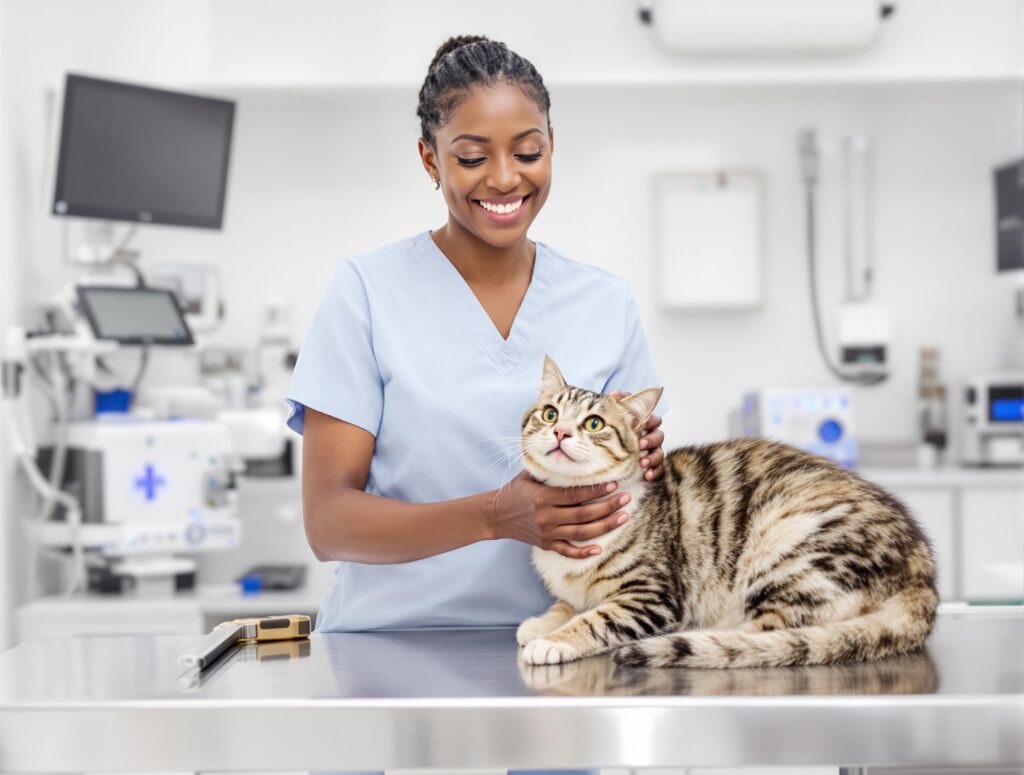
Your cat needs veterinary care at the first sign of persistent eye problems. While mild tearing occasionally happens, specific symptoms require prompt medical attention. A professional evaluation becomes necessary when eye discharge turns yellow-green, or your cat shows signs of discomfort through persistent squinting or eye rubbing.
Also, changes in behavior, like decreased appetite or unusual hiding, often accompany eye infections and warrant immediate veterinary attention.
To help your veterinarian provide the best care, prepare for your visit by:
- Keeping a simple diary of when eye problems started and any changes.
- Taking clear photos of your cat’s eyes over several days.
- Making note of any recent changes in your cat’s environment.
- Listing any current medications or supplements.
- Observing and recording changes in eating, drinking, or activity levels.
Protecting Your Cat’s Eyes and Beyond
Cat eye infections can look minor at first, but getting your vet’s input early is the best way to ensure your cat receives the proper care. A quick check-up can help confirm whether it’s something simple or a sign of a bigger issue. Even mild symptoms can point to something that needs attention, and a proper diagnosis makes all the difference.
When treatment is part of the plan, PetMeds offers vet-recommended medications and supplies to help you follow through with care at home.
FAQs About Cat Eye Infections
What causes most cat eye infections?
Most infections are caused by viruses like feline herpesvirus or bacteria entering the eye through small irritations, scratches, or exposure to allergens.
Can cat eye infections heal on their own?
Mild infections may clear up with gentle cleaning and supportive care, but veterinary evaluation is essential to rule out more serious conditions.
Are cat eye infections contagious?
Yes, some infections—especially those caused by viruses—can spread between cats. Isolate affected cats and wash hands after handling.
How can I prevent my cat from getting eye infections again?
Keep their living environment clean, schedule regular vet visits, and ensure they receive proper nutrition and vaccinations to maintain overall health. Explore more Cat Health Supplies to support your cat’s continued wellness.