
Key Takeaways
- Quickly recognizing ticks on your dog can prevent disease transmission within 24 to 48 hours of attachment.
- Ticks love hiding in warm, protected spots on your dog’s body, such as behind ears and under collars.
- Implementing a comprehensive tick prevention strategy, including routine checks and vet recommended preventatives, enhances your dog’s health and safety.
Imagine your dog joyfully exploring the great outdoors, tail wagging, nose sniffing through the tall grass, only to return home with an unwelcome hitchhiker. Ticks are sneaky parasites that latch onto your pet, feeding unnoticed and potentially spreading diseases within 24 to 48 hours. These tiny pests can be hard to find, but learning to spot them early can make all the difference in protecting your furry companion.
These parasites start as specks and can grow as they feed. Since ticks release substances that numb the bite area, your dog might not notice them, so careful observation is crucial. Identifying them early and knowing their hiding spots can help prevent issues. Consult your vet to form a tick prevention and treatment plan, and visit PetHealthMD to start learning about some of your options.
Recognizing and Understanding Ticks Impact on Canine Health
Finding a tick in your dog’s fur can be concerning, but knowing what to look for is important. These parasites feel like small, firm bumps against your pet’s skin and can grow larger after feeding. They often attach in warm, hidden areas such as behind the ears, under the collar, or groin. Running your hands through your dog’s coat can help detect unusual bumps. Since ticks can spread diseases quickly, finding and removing them early is essential.
Seasonal changes and shifting weather patterns have made ticks more widespread. While they are most active in warm months, they can survive throughout the year in many places. This makes checking your dog’s coat an important routine, especially after outdoor activities. We have outlined five simple ways to check for ticks and keep your pet safe.
1. How to Spot Ticks Hidden in Your Dog’s Fur
Taking a few minutes to check your dog’s coat can protect its health and give you peace of mind. Ticks hidden in your dog’s coat might feel like small, firm bumps under your fingertips. Start by gently running your hands through their fur using light pressure, similar to petting them. If you notice an unusual bump, part the fur to look closer.
Ticks often settle in areas where the skin is thinner and warmer. Focus on spots behind the ears, under the collar, around the neck, and between the toes. A thorough check takes just a few minutes, and your dog may enjoy the extra attention. For a closer look, use a flea comb to part the fur and catch hidden parasites.
Making this part of your daily routine, especially after outdoor activities, helps prevent problems. Look for small dark specks or larger, grape sized bumps if the tick has fed. Inspect the area carefully if your dog scratches, licks, or nibbles at a specific spot. Finding a tick as soon as possible can help prevent disease transmission.
For preventative tools, explore the Dog Flea and Tick Category on PetMeds.
2. Differentiating Ticks from Common Skin Conditions
Many dog owners wonder how to differentiate between ticks and skin irregularities. These simple visual markers will help you identify what you are dealing with:
- Changes in size
- Eight tiny legs
- Firm texture
- Attachment style
- Color
If you are unsure about a suspicious spot, visit PetHealthMD for expert reviewed resources to help you identify and manage tick issues. Preventative treatments also reduce the chance of tick infestations.
3. Confirming Tick Presence with Simple Inspection Tools
Using a small magnifying tool, like a 10x magnifier, makes it easier to confirm if a bump on your dog is a tick. This device can help you distinguish ticks from other skin conditions. When unfed, ticks are about the size of a sesame seed.
Looking closely, you can identify a tick by its dark brown or black body, which appears raised on the skin. The tick’s head burrows into the skin, unlike debris or skin tags that rest on the surface. Keeping a small magnifier with your pet’s grooming supplies allows for quick and effective checks.
4. Safe and Effective Methods to Remove Ticks
Removing a tick on your dog can be stressful, but it is simple with the right approach. Use fine tipped tweezers to grasp the tick as close to the skin as possible, then pull it out with steady pressure without twisting. After removal, clean the area with antiseptic.
Monitor your dog for signs of irritation, redness, or unusual behavior in the days following removal. Consult your veterinarian on what to do next if you suspect your dog has been exposed to tick borne diseases.
5. Strategies to Prevent Tick Infestations
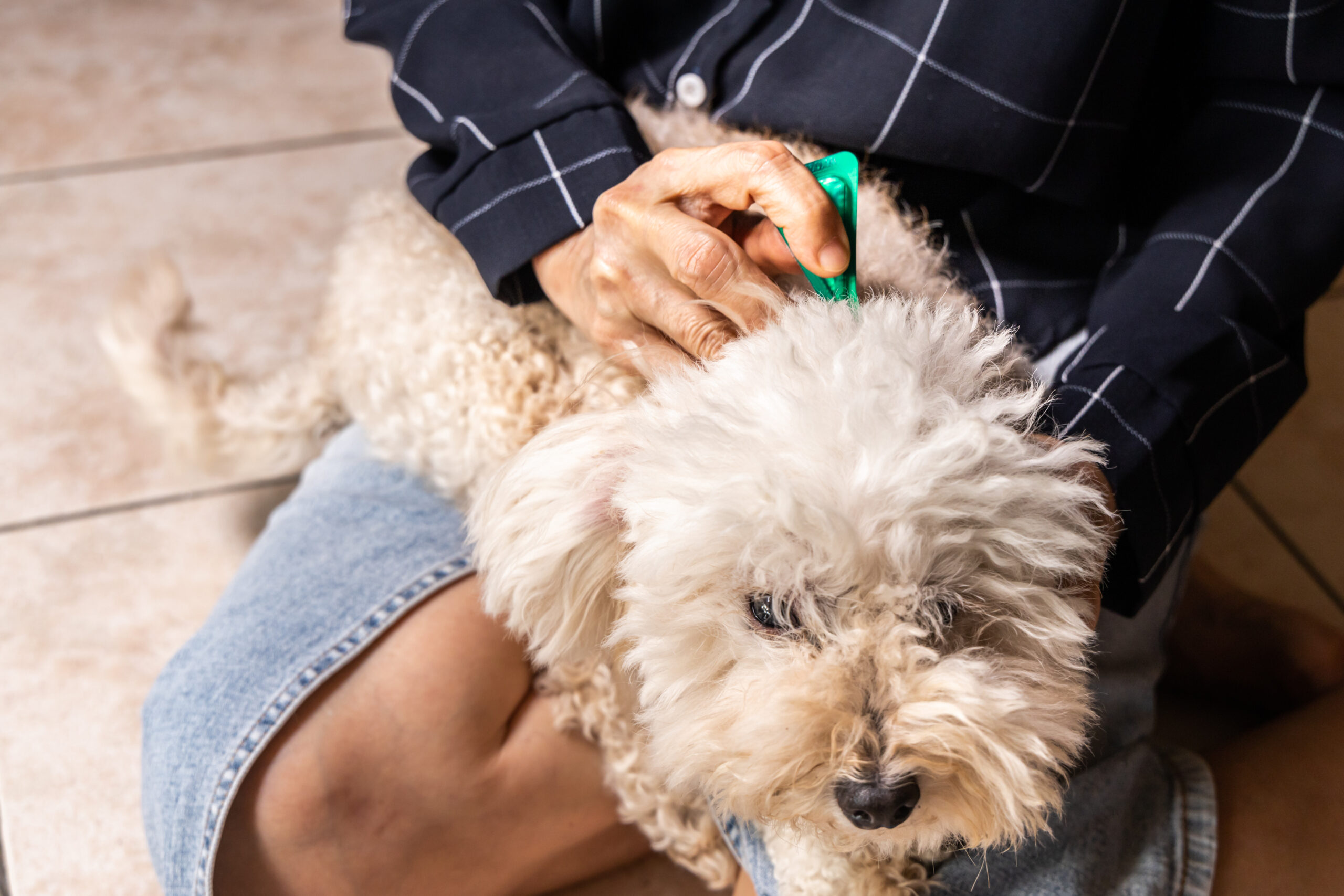
Protecting your dog from ticks starts with a prevention plan. Vet approved treatments like oral medications, topical applications, or tick collars can lower the risk of infestations. Maintaining outdoor areas by trimming grass, removing leaves, and creating a barrier between wooded spaces and pet play areas also helps limit exposure.
Checking your dog after walks in grassy or wooded areas further reduces risks. Running your hands through their fur and using a fine toothed comb can help catch and remove ticks early. Explore additional preventatives in the Dog Health and Wellness Category.
Frequently Asked Questions About Identifying Ticks on Dogs
How often should I check my dog for ticks?
Checking your dog daily is ideal, especially after outdoor activities in grassy or wooded areas. Ticks can attach quickly, so frequent checks help catch them early.
What should I do if I find a tick on my dog?
Use fine tipped tweezers to remove the tick by pulling straight out. Clean the area and monitor your dog for signs of irritation or illness. Contact your veterinarian if you notice concerning symptoms.
Can ticks spread diseases to my dog?
Yes. Ticks can transmit diseases within 24 to 48 hours of attaching. Early detection and prompt removal help reduce the risk.
Where are ticks most likely to hide?
Ticks prefer warm, protected areas such as behind the ears, under the collar, between the toes, and around the neck.
Do preventative treatments really help reduce ticks?
Yes. Vet approved preventatives significantly lower the risk of infestations and can make ticks less likely to attach.
Keeping Your Dog Tick Free and Healthy
Your efforts to protect your dog from ticks strengthen your bond while keeping them safe. Understanding where ticks hide and how to find them early can prevent issues before they affect your pet’s well being.
For more information on tick prevention, treatments, and the latest expert advice, visit PetHealthMD. Their trusted resources provide everything you need to keep your dog happy and healthy year round.