Key Takeaways
- Peanuts and most peanut butter varieties are generally safe for dogs when served in moderation and with the proper precautions.
- Avoid any peanut butter containing xylitol, an artificial sweetener highly toxic to dogs.
- Peanut butter should not exceed 10 percent of your dog’s daily calories to help avoid health problems.
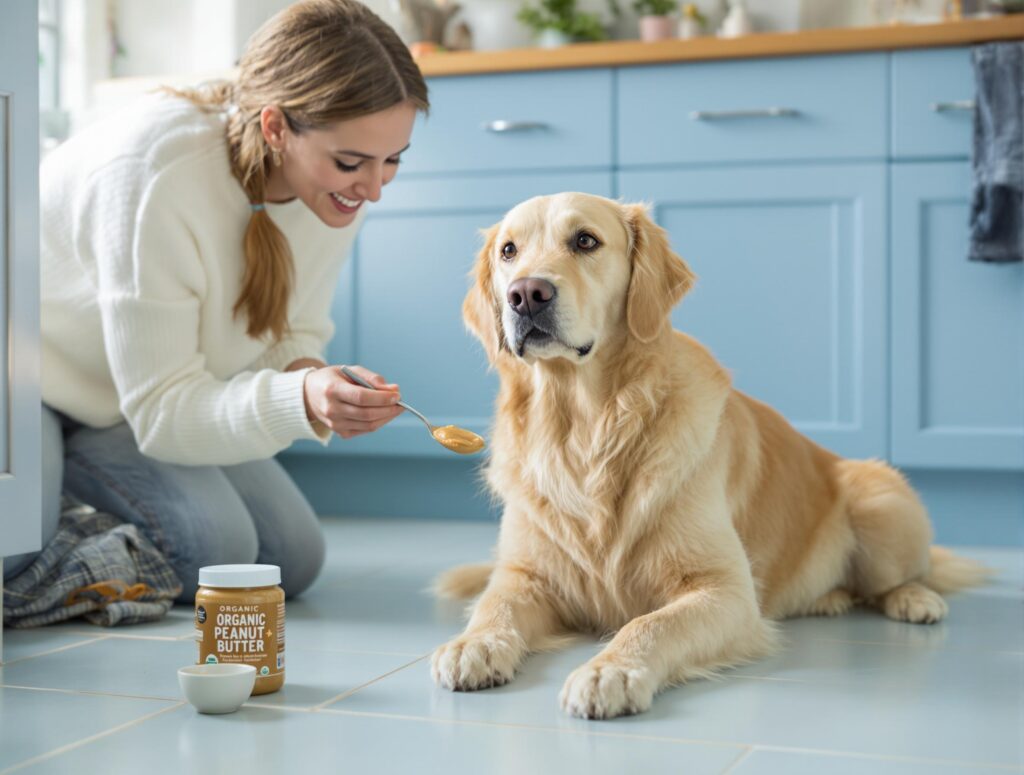
If you’ve ever opened a jar of peanut butter near your dog, you’ve likely seen just how eager they can be to get a taste. Peanut butter is a go-to treat for many pet owners, whether hiding a pill, filling a toy, or rewarding your dog with something tasty. Plain peanuts can also be used for training or as occasional snacks.
However, not all peanuts or peanut butter products are created equal. Knowing which types are safe, how much to give, and how to serve them can help you confidently treat your dog.
PetHealthMD provides trusted advice to help you know your peanut and peanut butter options so you can make an informed choice with your vet. Here’s what to keep in mind.
Can Dogs Eat Peanuts and Peanut Butter?
In general, yes—dogs can safely enjoy peanuts and peanut butter when you take proper precautions. These treats can add variety to your dog’s diet and provide beneficial nutrients. However, there are significant risks to avoid, especially regarding product selection and portion size.
Nutritional Benefits of Peanuts and Peanut Butter
Peanuts and peanut butter are nutrient-dense and can provide benefits when given appropriately:
- Protein: Helps maintain muscle mass and supports energy.
- Healthy fats: Promote skin and coat health.
- Vitamins and minerals: Including B vitamins (such as niacin), vitamin E, magnesium, and phosphorus.
However, these benefits come with calories. Peanut butter is calorie-dense, so keeping portions small is key. For more everyday essentials, explore the full range of Dog Food and Nutrition to support your pet’s wellness.
Safe Ways to Feed Peanuts and Peanut Butter to Dogs
Peanuts and peanut butter can be healthy occasional treats, but selecting the right products and avoiding common hazards is key.
Safe Choices
- Unsalted, raw, or dry-roasted peanuts.
- Natural peanut butter made with only peanuts, or peanuts and a small amount of salt.
What to Avoid
- Xylitol
- Chocolate
- Added salt or sugar
- Peanut shells
- Flavored peanuts
Additional Risks
- High fat content, which can trigger pancreatitis.
- Choking hazards from whole peanuts.
Signs of Peanut Allergies in Dogs
Peanut allergies in dogs are uncommon, but they can occur. Introduce peanuts or peanut butter gradually and observe your dog closely.
Watch for signs such as:
- Facial swelling
- Itching or scratching
- Hives or skin changes
- Digestive upset
- Behavioral changes
If symptoms occur, stop feeding peanuts or peanut butter and contact your veterinarian.
How Much Peanut Butter Can You Give Your Dog?
Offer peanut butter sparingly as an occasional treat.
Serving Guidelines
- Toy breeds: 1/4 teaspoon
- Small dogs: 1/2 teaspoon
- Medium dogs: 1 teaspoon
- Large dogs: 1 tablespoon
Limit peanut butter to no more than twice daily, and keep all treats within 10% of daily calories. You can also browse Dog Treats for safe, vet-approved options to use together with your dog’s routine.
The Best Ways to Serve Peanut Butter
Peanut butter can be used for:
- Training: A high-value reward.
- Medication: Helpful for hiding pills.
- Enrichment: Ideal for treat-dispensing toys or puzzle feeders.
- Bonding: A small shared treat during calm moments.
Frequently Asked Questions About Dogs and Peanuts
Can puppies eat peanuts or peanut butter?
Puppies can have small amounts occasionally, but consult your veterinarian first.
What if my dog eats peanut butter with xylitol?
Seek emergency veterinary care immediately.
How can I be sure peanut butter is xylitol-free?
Read ingredient labels carefully and look for terms like xylitol or birch sugar.
Is crunchy peanut butter safe for dogs?
Yes, for slow chewers; creamy is safer for fast eaters.
Are other nuts safe for dogs?
Many nuts, including macadamia nuts, walnuts, and pecans, are toxic. Stick to peanuts.
Supporting Your Dog’s Health with Informed Choices
Offering peanuts and peanut butter can be a fun way to treat your dog when done thoughtfully. Choosing safe products and sticking to proper portion sizes can help prevent problems and support your dog’s well-being.
If you notice any changes in your dog’s digestion, appetite, or behavior after introducing new treats, contact your veterinarian. They can help guide your choices.You do not have to navigate these decisions alone. Visit the Dog Supplies category at 1800PetMeds to explore high-quality food, treats, and essentials for your pet’s daily health.