Does your dog need a space to call their own? Just like humans appreciate having a private retreat, dogs benefit from having a dedicated and safe space like a crate. Learning how to crate train a dog properly creates both emotional and physical safety for your pet. Dogs with designated spaces experience less destructive behavior, making life more peaceful for both pets and their owners.
A positive approach to crate training helps turn a simple crate into a cozy retreat for your dog. This space can be especially comforting during stressful moments such as thunderstorms or quiet time alone.
At PetHealthMD, we understand that creating a loving home for your pet is one of your biggest priorities. Our guides on pet health and care can help you achieve that with successful tips and common missteps to avoid as a dedicated pet parent.
Steps to Crate Training Your Pet
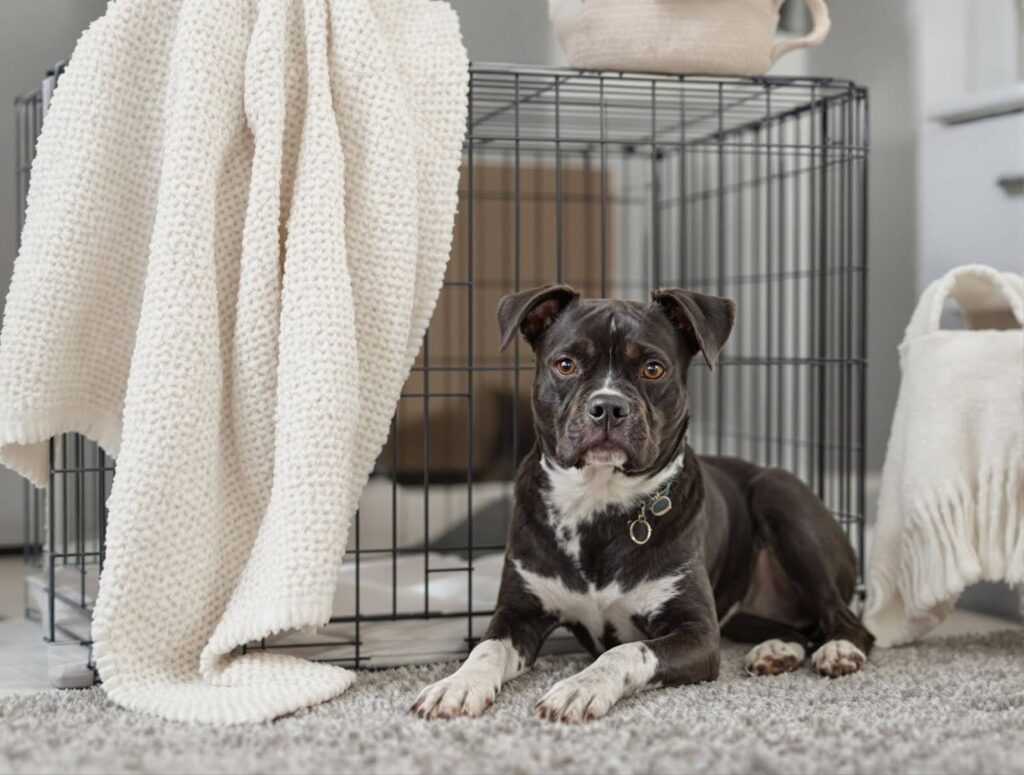
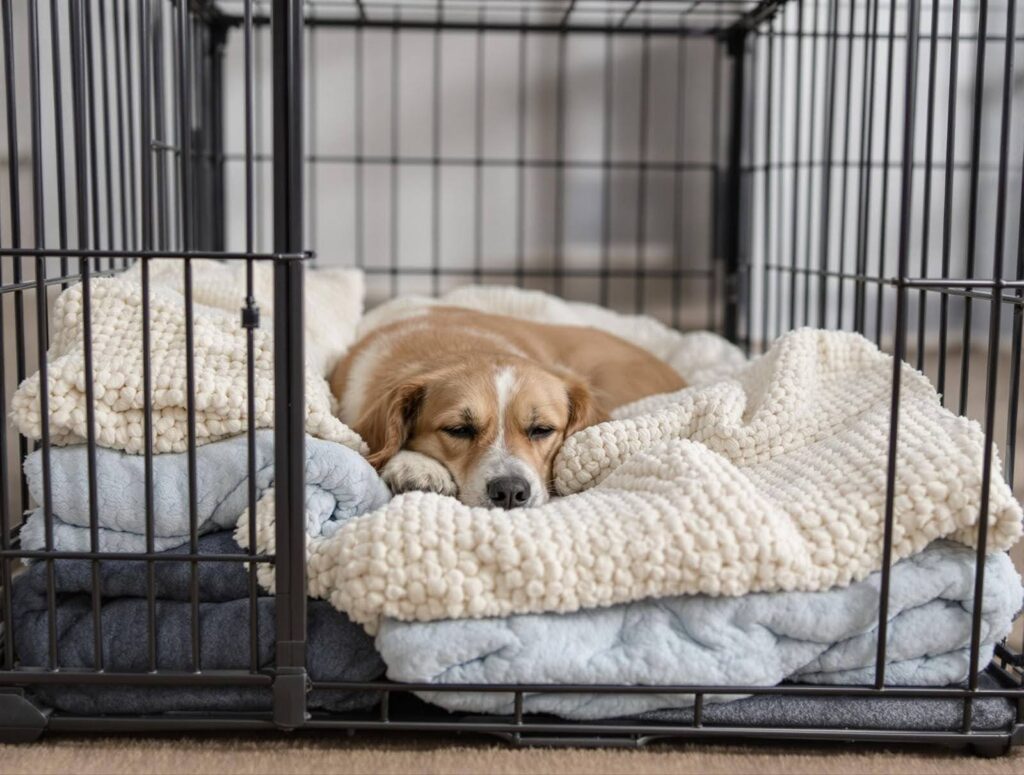
You may notice that your dog naturally gravitates toward cozy, den-like spaces. Setting up your dog’s crate in a quiet area of your home helps balance privacy and connection. Making their space comfortable with a soft blanket and a favorite toy can make a big difference.
Once you’ve set up the crate, you can proceed by training them to use it:
- Introduce the crate gradually: Dogs are naturally curious but may be wary of new spaces. Placing treats near the crate entrance and gradually moving them inside helps create a positive association.
- Encourage positive associations: Quiet praise and a calm demeanor signal to your dog that the crate is a safe and welcoming place.
- Feed meals near the crate: Associating mealtime with the crate reinforces it as a positive space.
- Practice short sessions: Once your dog is comfortable, close the crate door for short periods while staying nearby.
- Create a routine: A predictable schedule helps your dog feel secure.
- Be patient and consistent: Every dog adapts at its own pace.
Best Tips for Successful Dog Crate Training
- Establish consistent daily routines: Dogs thrive on predictability. Regular schedules make training more effective.
- Design a welcoming den environment: Use soft bedding and consider a light cover over the crate.
- Provide mental stimulation: Make crate time rewarding with special toys like KONG treats.
- Balance activity with rest: Regular exercise promotes relaxation during crate sessions.
- Build duration gradually: Increase crate time slowly as your dog becomes more comfortable.
For more helpful behavior and training essentials, explore PetMeds’ selection of dog training and behavior products
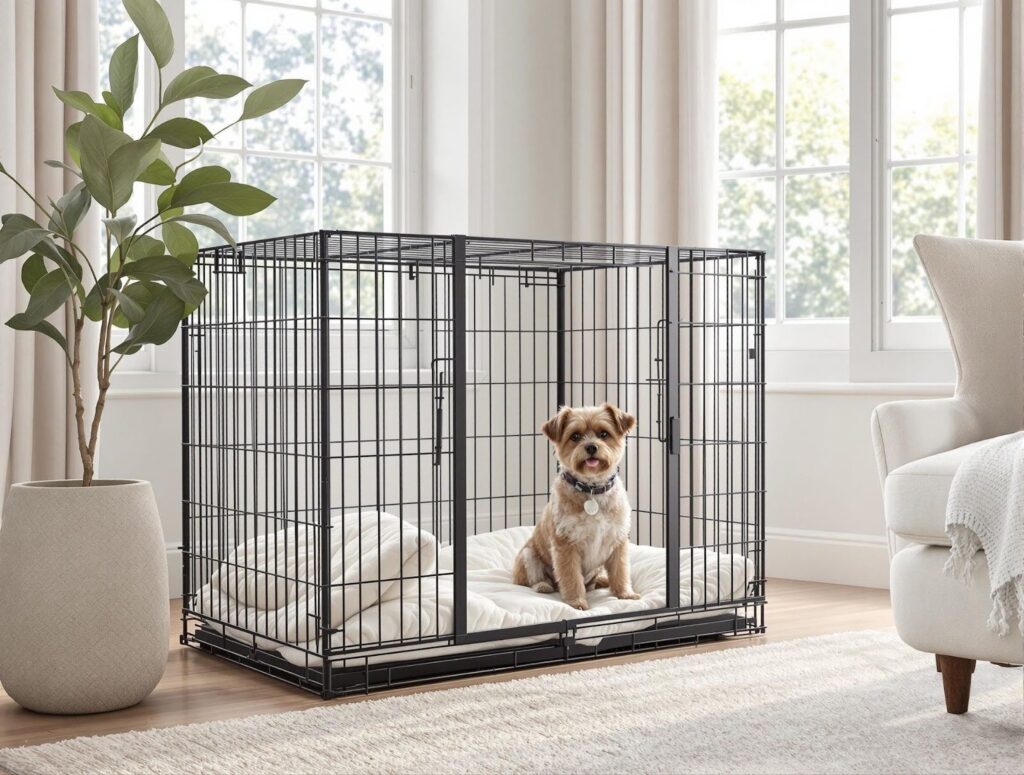
How to Choose the Right Crate Size for Your Dog
Think of crates as your pet’s personal room. Dogs need crate dimensions tailored to their unique size for maximum comfort.
To find the perfect fit, measure from the tip of the nose to the base of the tail and from the top of the head to the paws. Add 4 inches to each measurement. Your dog should be able to stand without hunching, turn around naturally, and lie down with legs extended.
For puppies, consider growth. Adjustable crates with divider panels offer flexibility without overwhelming young dogs.
Crate Training Adult Dogs vs. Puppies
Training Puppies
- Building a routine early: Puppies adapt quickly to structure.
- Frequent potty breaks: Puppies have limited bladder control.
- Using a divider: Helps prevent accidents and supports good habits.
- Short sessions: Keep training brief and positive.
Training Adult Dogs
- Adjusting to previous experiences: Some adult dogs may need extra patience.
- Longer crate durations: Adult dogs can typically handle 4 to 6 hours.
- Addressing anxiety: Use rewards and gradual exposure.
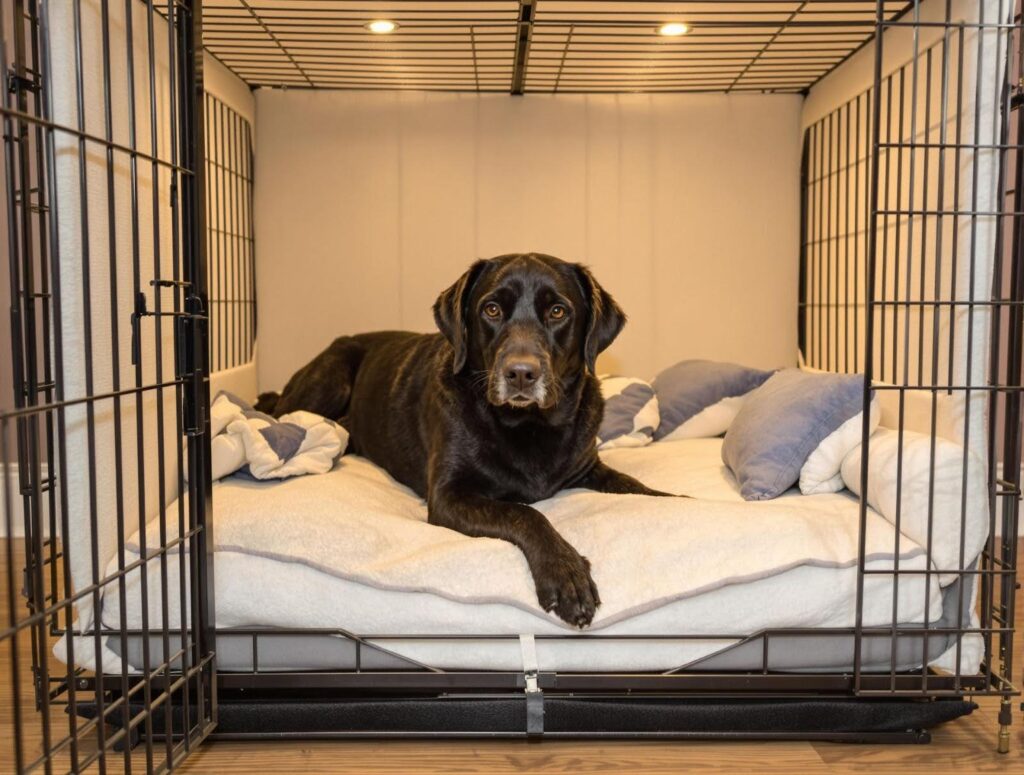
- Extra comfort: Add padding or orthopedic mats if needed.
Common Questions in Dog Crate Training
How can I maintain a positive crate experience for my dog?
Your dog’s crate should always be a happy space. Avoid using the crate for discipline. Offer treats, praise, and comfort items like a soft blanket.
What’s the best way to create a consistent crate routine?
Plan crate times around your dog’s natural daily rhythm. Use shorter intervals at first, then gradually extend them.
What if my dog seems anxious about the crate?
Start with short, successful sessions and slowly increase time. Reward calm behavior and use familiar comfort items.
Crate Training for Overall Pet Well-Being
A properly introduced crate becomes your dog’s haven, strengthening their emotional resilience and confidence. Dogs with a dedicated space feel more relaxed, adapt better to new situations, and stay calmer during vet visits or car rides.
A comfortable crate also prevents dogs from exploring household hazards when unsupervised. This proves especially valuable during unexpected situations.
If you’re looking to gain more insights on successfully training your dog, PetHealthMD offers training guides and care tips. For additional supplies and essentials, explore PetMeds’ full range of dog supplies and dog training supplies.