If your horse suffers from cracked, brittle hooves, you might already be considering adding biotin to their diet. Biotin, also known as vitamin B7, stimulates the production of keratin, a protein that makes up hooves as well as hair and skin. Though biotin deficiency is rare in horses, extra supplementation has many benefits beyond building stronger hooves. Many horse owners support hoof and coat health with nutritional products found in the 1800PetMeds horse supplement selection, including options in the horse vitamins and supplements category.
1. Grows Stronger Hooves
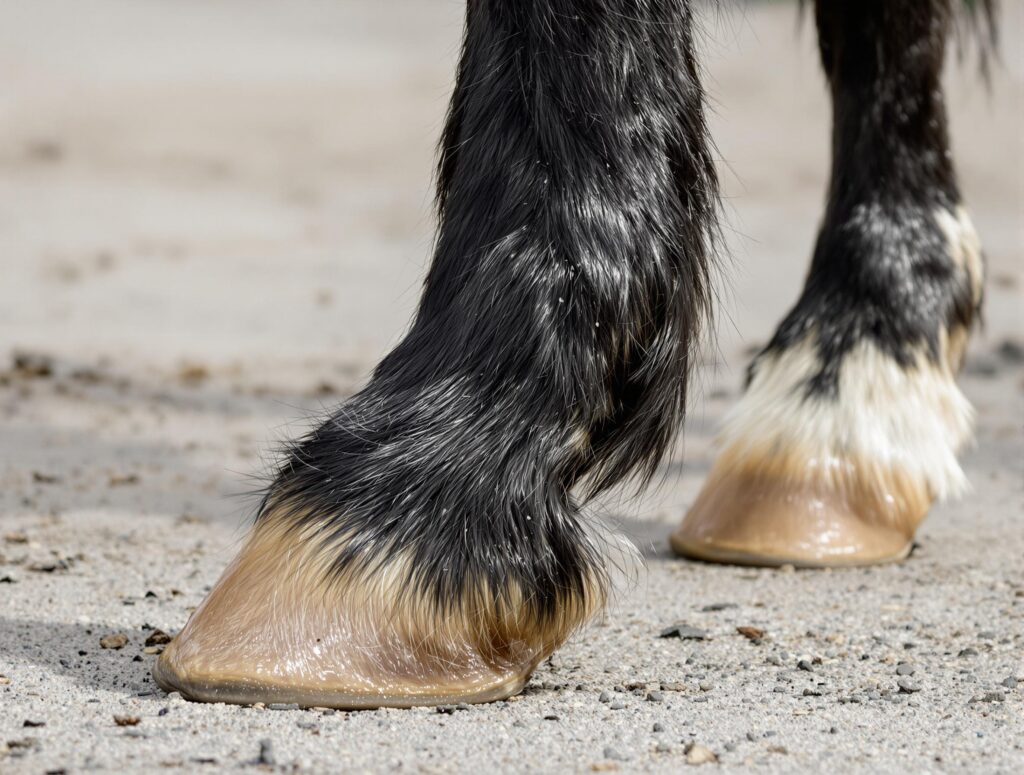
The most common reason horse owners use a biotin supplement is to build stronger hooves. Research studies have shown that biotin helps the hoof horn grow faster and also improves the tensile strength of the hoof, allowing it to resist cracking under pressure. Changes in hoof structure are often apparent after about nine months of continuous supplementation. Many owners add biotin as part of a broader hoof care routine using products found in the horse hoof category.
2. Protects Healthy Skin and Coat
Biotin is essential for wound healing. It also helps keep your horse’s skin, their first defense against environmental pathogens, strong and healthy. The vitamin also builds stronger hair strands, leading to less breakage and a thicker, healthier coat, mane, and tail. Nutritional support for coat condition is often included in products within the horse grooming category.
3. Boosts Energy Metabolism
Like other B vitamins, biotin aids in the metabolism of fats and sugars in your horse’s diet. It is best to give it with a morning meal to help support energy levels throughout the day.
4. Helps Maintain a Healthy Weight
Biotin has been found to help aid weight loss in humans by improving the conversion of sugars and fats to energy. It has not been confirmed in studies to help horses, but it may have similar effects. However, biotin has been shown, in combination with other supplements, to help improve insulin efficiency in horses with equine metabolic syndrome (EMS).
5. Builds Stronger Muscles
Biotin is also essential to building strong muscles. When your horse exercises, they sustain micro tears in their muscle tissue, which leads to soreness the next day. B vitamins, including biotin, help repair tears and rebuild tissue for stronger muscles over time.
6. Supports Cognitive Function
Biotin helps form myelin, a protective layer of fats and proteins that surrounds nerve fibers in the brain and spinal cord. Myelin helps send signals between nerve cells. Along with other B vitamins, biotin aids memory and helps support healthy neurological function.
7. Improves Mood
Biotin plays an important role in hormone production, which in turn can help your horse manage stress. Human research studies have shown less susceptibility to depression and anxiety in those who take biotin supplements. Research has not been conducted on the effects of biotin on mood in horses, though some horse owners report improvements in anxiety while their horse takes the supplement.
8. Supports Immunity
Biotin has been shown in human studies to support the immune system response to invading pathogens. It also helps build white blood cells. Joined by other B vitamins in a balanced diet, it can help protect your horse from illness and infection.
Does My Horse Need More Biotin?
While biotin deficiencies are uncommon in horses, many horse owners see benefits from supplementing even when a deficiency is not present. Horses naturally produce biotin in the hindgut as they digest forage. Horses on a low fiber diet may not produce enough biotin, and those with digestive issues may not absorb it efficiently.
Biotin supplements have not been found to cause adverse side effects, even with long-term use. Like other water-soluble vitamins, excess amounts are flushed out of the body through the urine.
How to Boost Your Horse’s Biotin Intake
Biotin is naturally found in alfalfa and fresh grass. When supplementing, it is generally recommended to give 15 to 20 mg of biotin daily to the average horse.
Common options include powdered or pelleted supplements that can be mixed with feed. Many horse owners choose products such as AniMed Biotin 100 Powder or formulas designed to support hoof strength and overall coat health.