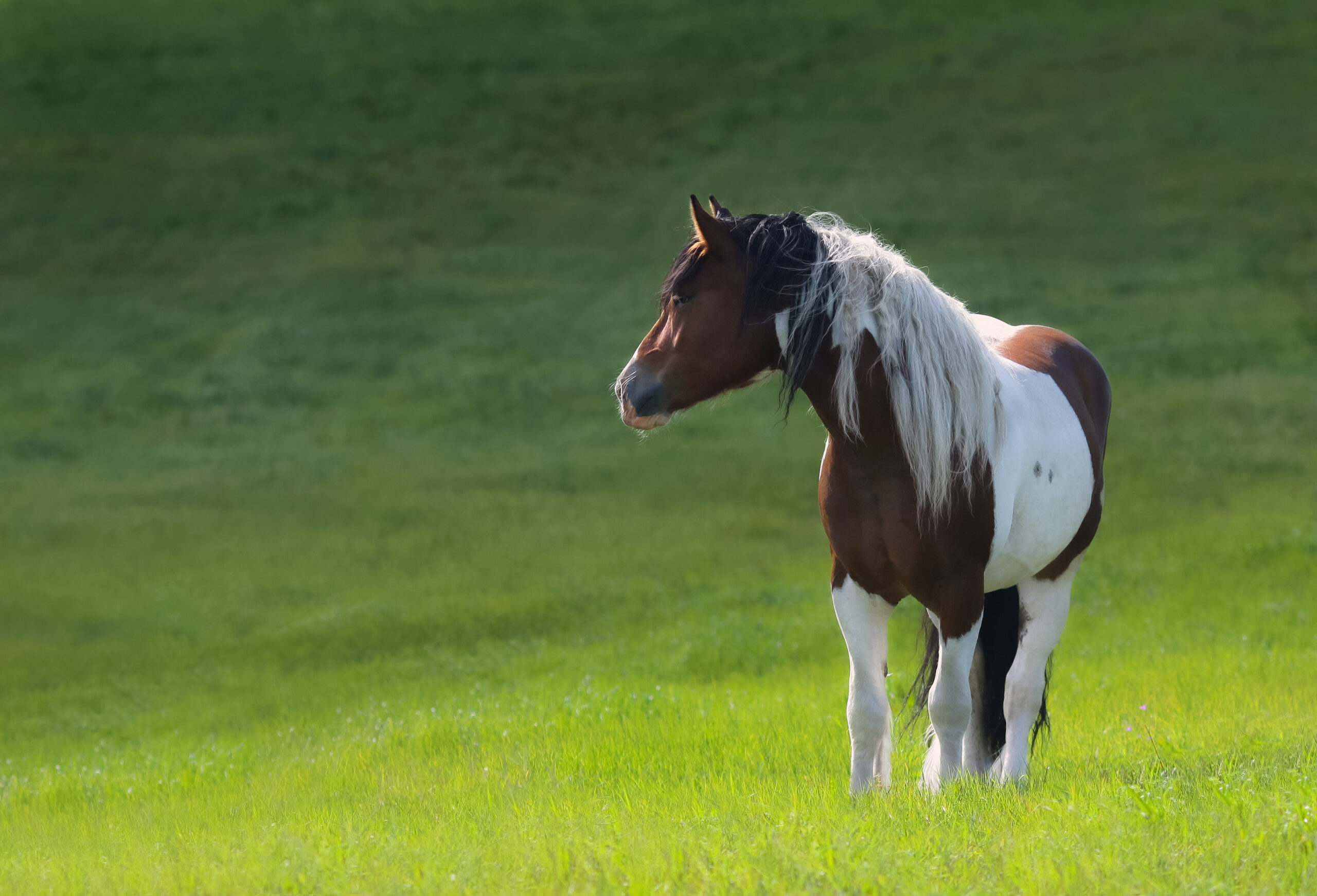
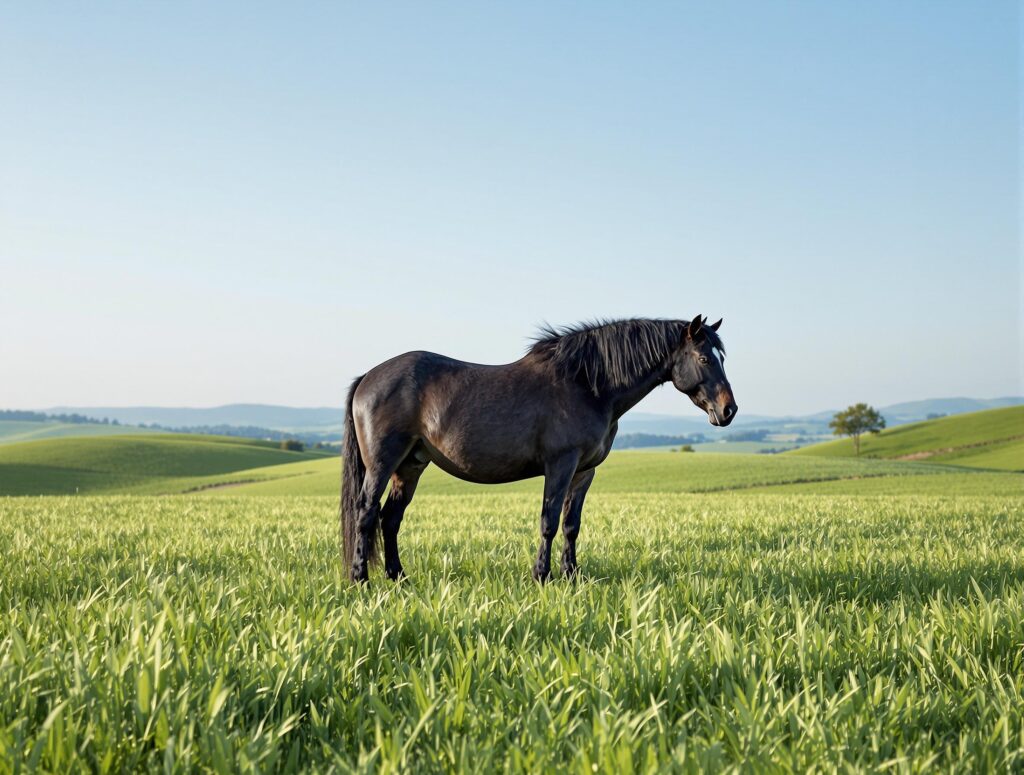
When it comes to feeding your horse, keep it simple. Horses have an incredibly efficient digestive system that allows them to break down tough, fibrous foods into usable energy. All it takes is plenty of hay or forage and maybe a little grain to keep your horse strong and healthy. Providing balanced nutrition along with access to clean water and the right horse health supplies can help support your horse’s long-term well-being.
How Much Does Your Horse Need To Eat?
Your horse will need to eat around 1.5 to 2.5 percent of their body weight each day. They should consume at least 1 percent of their body weight in forage and no more than 1 percent of their body weight in grain.
Because diet plays such an important role in overall health, many owners also incorporate nutritional support products found in the 1800PetMeds horse supplements category. These products can help fill potential gaps in your horse’s diet when forage and grain alone are not enough.
Forage Your Horse’s Main Meal
Your horse’s stomach is relatively small for their size, with the average 1000-pound horse only able to hold 2 to 4 gallons of stomach contents at one time.
For this reason, horses are not suited to large meals like humans. Instead,d they thrive when they are able to graze for most of the day while their digestive system constantly breaks down fibrous foods.
Ideally, ly your horse can graze up to 24 hours per day. If you are not able to turn your horse out to graze all day, or when you do not have access to good pasture,e you can replace some or all of their roughage with hay.
Hay is generally categorized into two types
- Grass hay
- Legume hay
Grass hay, such as timothy orchard and brome is low in protein and high in fiber. Legume hay like alfalfa and clover, is higher in protein and lower in fiber than grass hay, and it is typically more expensive.
An easy keeper may be sustained on grass hay, while a growing foal or an athletic horse may need more legume hay. Many horse owners feed a blend of both grass and legume hay.
Also, keep in mind that early spring pasture grass has high sugar content, which can cause laminitis. If your horse has been eating hay over the winter, a sudden change to pasture grass can upset their digestive system. Limit your horse’s access to spring grass and transition slowly, starting with just 15 minutes of turnout per day.
Digestive balance is essential during dietary transitions. Many horse owners use products from the horse digestive health category at 1800PetMeds to help support healthy gut function during feed changes.
Does My Horse Need Grain?
Not all horses need grain since they may get all of the nutrients and energy they need from hay or pasture. However, your horse may benefit from grain if they compete in sports, if they are nursing a foal,l or if they are not sustaining their weight on forage alone.
Split your horse’s daily grain ration into 2 to 4 small meals per day for optimal digestibility. Less is more when it comes to grain, and too much can contribute to colic or laminitis.
When feeding grain, it is also helpful to monitor your horse’s overall health and condition. Supporting products such as those found in the horse vitamins and supplements category at 1800PetMeds can help maintain balanced nutrition when energy demands increase.
Naturally, every horse is unique. To make sure you are meeting your horse’s specific needs, talk to your veterinarian or work with an equine nutritionist to create a diet plan that works best for them.