Lameness is the most common reason for horses to lose their ability to compete, ride, or work. Even so, a horse can recover from lameness in many cases. Whether or not your horse will make a full recovery depends on the severity of the condition, the horse’s age, how quickly treatment begins, and what treatments are available.
Many horse owners use supportive products such as joint supplements and anti-inflammatory medications to help manage discomfort and support recovery.
What To Do At The First Signs Of Lameness
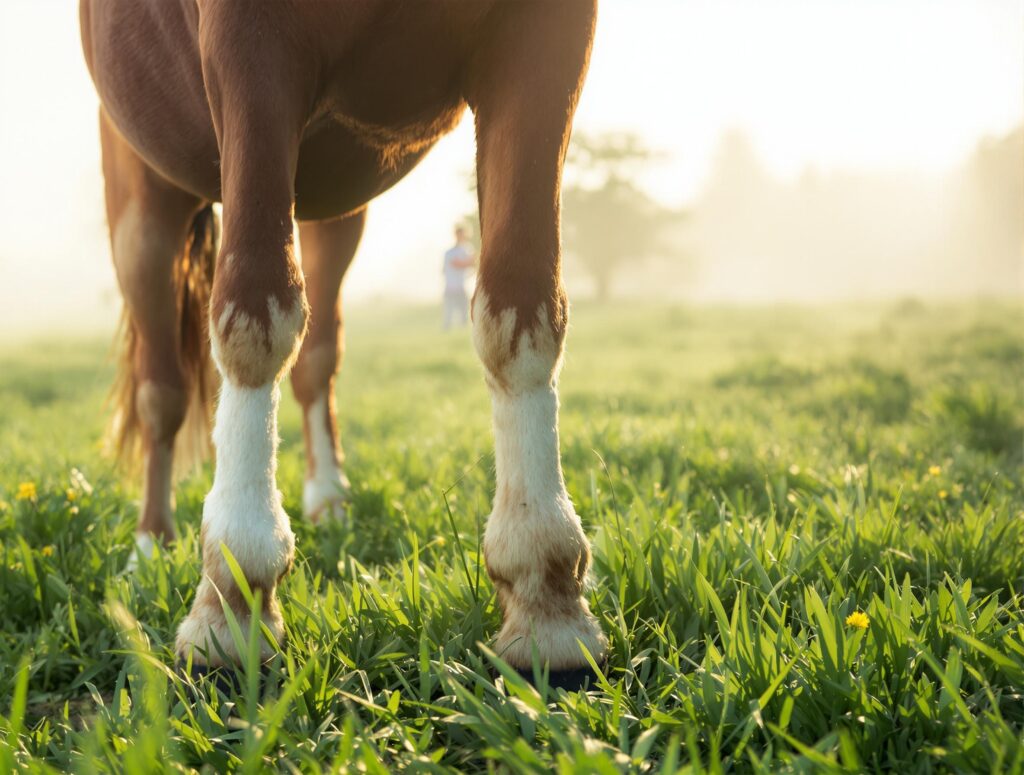
When you first notice that your horse seems to be in pain or their gait has changed, or if they are avoiding putting their weight on one hoof, chances are they have been uncomfortable for some time. It is important to have them rest immediately until you can determine the underlying cause.
You can help manage pain and reduce inflammation by:
- Wrapping the affected hoof
- Immersing the hoof in ice water
- Using over-the-counter pain relief products
Topical solutions such as DMSO gel are sometimes used to manage pain and inflammation. Some horse owners also keep holistic pain management options on hand for mild injuries. Additional supportive products can be found in the equine pain relief and equine joint supplement categories on 1800PetMeds.
Check the affected hoof for odor, warmth, or a strong digital pulse. These can be signs of infection or laminitis and require treatment from your veterinarian as soon as possible.
Common Reasons For Lameness In Horses
Osteoarthritis
Most horses will experience some joint degeneration by the time they reach their senior years, although repeated soft tissue injury can accelerate the process. Stiffness, swelling, and warmth around the affected joints may indicate arthritis.
Prognosis: Horses with mild arthritis can often continue to exercise, and many maintain near normal activity levels in the early stages. Treatments may help manage pain and inflammation and may slow the progression of joint degeneration. Over-the-counter NSAIDs, omega-3 fatty acid supplementation, and light exercise are often used to manage early-stage arthritis. Joint support products are available through the equine joint supplements category on 1800PetMeds.
Laminitis
Laminitis is a painful condition in which the laminae structures that attach the coffin bone to the hoof wall become inflamed. If not treated early, it can lead to permanent damage. Laminitis is suspected when your horse shows an altered gait, reluctance to bear weight on the hoof, or warmth around the top of the hoof.
Prognosis: Laminitis is often a recurring condition, though it can sometimes be managed through dietary adjustments and targeted supplements that support metabolic health. In mild cases, a horse may return to normal activity levels. In severe cases, long-term complications can occur.
Supportive care options that may be recommended by veterinarians can be found in the equine metabolic and joint support categories available at 1800PetMeds.
Soft Tissue Injuries
Soft tissue injuries include bruising, spraining, or tearing that affect structures such as ligaments and tendons. Swelling and warmth around the injured area are common signs.
To promote recovery, you can:
- Soak the affected hoof in ice water
- Allow the horse to rest
- Use gentle hand walking if recommended
- Provide veterinarian-approved medications or supportive products
Your veterinarian may perform a physical examination or imaging, such as an ultrasound, to determine the severity of the injury and whether additional treatment is necessary.
Prognosis: Horses can sometimes make a full recovery from soft tissue injuries within weeks or months. However, some horses develop chronic joint issues or recurring pain that requires ongoing management.
Other Causes Of Lameness In Horses
Many causes of lameness share the same symptoms. In some cases, lameness may be related to underlying neurological issues or congenital conditions that are not immediately visible.
Because of this, it is important to consult your veterinarian for a formal diagnosis and treatment plan. Early evaluation and proper care give your horse the best chance of recovery and a return to normal activity.