Warm weather brings pesky parasites. Not only can tiny, blood-sucking creatures really bug your horse, they can also spread disease. Here is what you should know about fleas and ticks on horses and how you can manage them so your horse stays healthy.
Ticks On The Trail
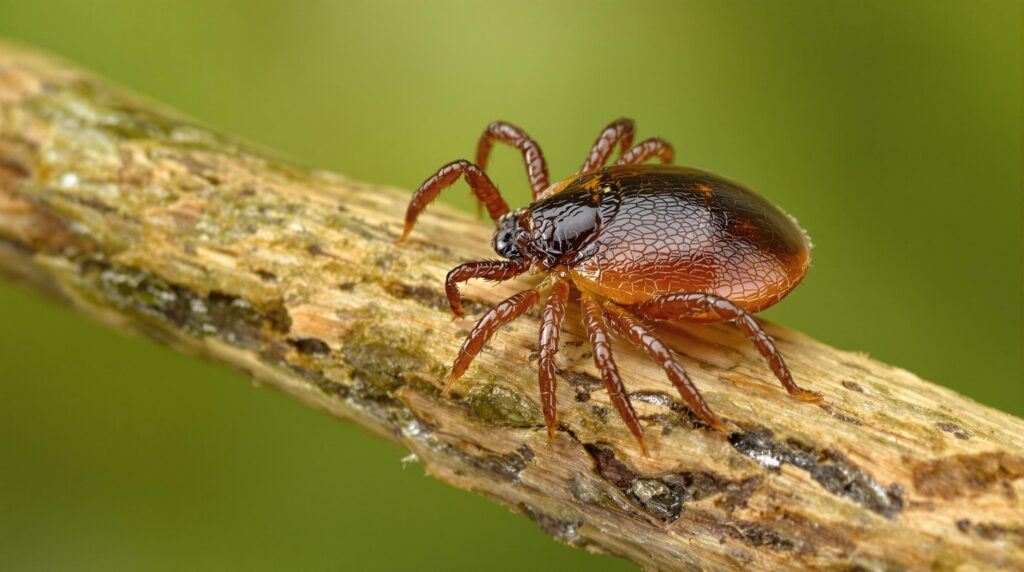
Riding on wooded trails in the summer is a great way to stay in the shade and beat the heat. But ticks also prefer to spend the summer on cool, shady trails, perching on vegetation in hopes that you and your horse will brush up against them.
Before going for a ride on the trail, protect your horse against ticks. Absorbine Ultrashield is a must-have for the summertime since it protects against ticks, flies, mosquitoes, and more for up to 17 days after application. Many riders use products found in the equine fly and insect control section to help protect horses from biting pests during trail season.
Even if you have used a tick preventative product, you should still check your horse for ticks after every trail ride. Different species of ticks tend to favor different areas of the horse’s body, but they generally cling on wherever they can and crawl to areas where the horse’s hair is thin, including:
- Behind the elbows
- Inside the ears
- Near the genitals
- On the chest
Ticks carry Lyme disease and anaplasmosis, infections that affect both horses and people. Fortunately, an infected tick usually needs to remain attached for 36 to 48 hours before disease transmission occurs.
Gently remove embedded ticks with tweezers by grasping as close to the skin as possible to avoid leaving mouthparts behind. Pull straight out without squeezing or twisting, since the tick can regurgitate blood into your horse and spread infection.
Do Horses Get Fleas?
While fleas may give your cats and dogs a hard time, they rarely jump onto horses. Fleas are usually species-specific and prefer animals that live in dens where they can lay eggs. Horses are constantly moving and do not provide the same environment for flea populations to grow.
If your barn has other animals that are infested with fleas, a few may bite your horse, but they typically will not stay for long. Fleas can be opportunistic, though, so they sometimes infest:
- Foals
- Horses that are underweight
- Ungroomed horses
- Immunocompromised animals
Horses can also get lice. Although uncommon, lice infestations tend to occur in animals that are stressed or immunocompromised. Some equine insect sprays contain pyrethrins that are effective against lice, fleas, and other pests. Many of these products can be found in the horse supplies category.
Keeping Your Horse Safe From Pests
Regular grooming and the use of a quality fly spray will help keep most pests under control. If insects continue to bother your horse, you may also need to treat the surrounding environment and any other animals in the barn.
Helpful pest prevention practices include:
- Grooming your horse regularly
- Applying insect repellent during warm months
- Removing manure frequently
- Eliminating standing water
- Clearing brush and yard waste around the barn
In and around the barn, remove yard waste and standing water and muck stalls often to avoid attracting flies and other pests. When necessary, you can also apply premise sprays designed for barns and turnout areas.
If you are having trouble identifying or eliminating a pest that is bothering your horse, contact your veterinarian. You should also seek veterinary guidance if your horse develops open sores, hair loss, excessive itching, or other concerning symptoms.