Inside your tough, resilient horse is a delicate digestive system that can be easily disrupted. By protecting your horse’s digestive health, you can support their overall wellness, athletic performance, and long-term quality of life.
Your Horse’s Digestive System
A horse’s digestive system is not quite like our simple digestive system, nor do they have the four-chambered stomach of a ruminant such as a cow.
It is something of a cross between the two. The start of their digestive system, called the foregut, consists of the stomach and small intestine. Food passes quickly through the stomach into the small intestine, where enzymes begin the digestion process.
From the foregut, food empties into the hindgut,t which consists of the cecum, large colon, and finally the small colon. The cecum is larger than the stomach and is where food spends the most time as it ferments, breaking down tough plant fibers into fatty acids that provide energy.
Supporting healthy digestion with proper nutrition, turnout time, and the right supplements can make a significant difference in your horse’s overall health. You can explore a range of products designed to support digestion in the horse digestive health category at PetMeds.
Common Digestive Health Issues in Horses
Your horse’s stomach is small in relation to their size, holding up to just 2 to 2.5 gallons of food and water. It is constantly secreting hydrochloric acid. If your horse does not eat frequently, their stomach becomes very acidic, which can lead to gastric ulcers.
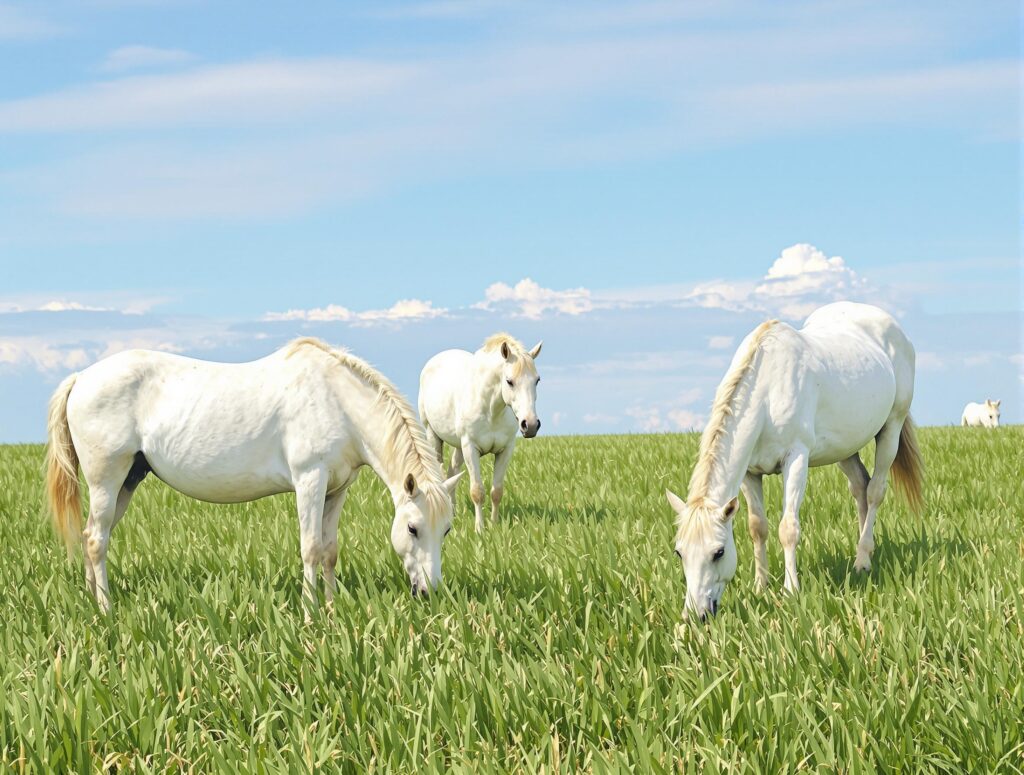
Turning your horse out to pasture to graze can make them less likely to develop ulcers. Feeding alfalfa hay can also help because its high protein and calcium content may help buffer stomach acid for up to five hours after feeding.
Ulcers are a bigger problem for horses who travel and compete. Studies suggest that about 70 percent of horses may develop ulcers within a week of attending competitions or fairs. Preventative products such as UlcerGard can help protect horses from travel-related stress and digestive upset. You can find ulcer support options in the horse category.
Horses are also prone to colic, which affects the hindgut. Colic is a general term for abdominal pain. It is often caused by stress and may resolve on its own. In some cases,s it is caused by impaction or a twist in the intestines, es and emergency veterinary care is necessary to save the horse’s life.
To reduce the risk of colic, many horse owners focus on consistent feeding schedules, regular turnout, and proper parasite control. Routine deworming products found in the horse dewormer category may help support overall digestive health and reduce parasite-related digestive issues.
Supporting Your Horse’s Digestive Health
Colic and ulcers appear to occur less often in horses that have plenty of turnout time. To help protect your horse’s digestive health, provide frequent opportunities to graze whenever possible.
If pasture access is limited, follow these best practices to help support digestion:
- Provide plenty of high-quality hay throughout the day
- Maintain a consistent feeding schedule
- Reduce stress from travel or environmental changes when possible
- Monitor your horse for early signs of digestive discomfort
With proper care, nutrition, and preventive support, you can help keep your horse’s digestive system working smoothly and support their overall health.